Category: Corporate Media

Professional corporate event photography and videography in Oahu, capturing conferences, product launches, and business events with polished media coverage.

  • Can You Film a Funeral Service Legally?

    Can You Film a Funeral Service Legally?

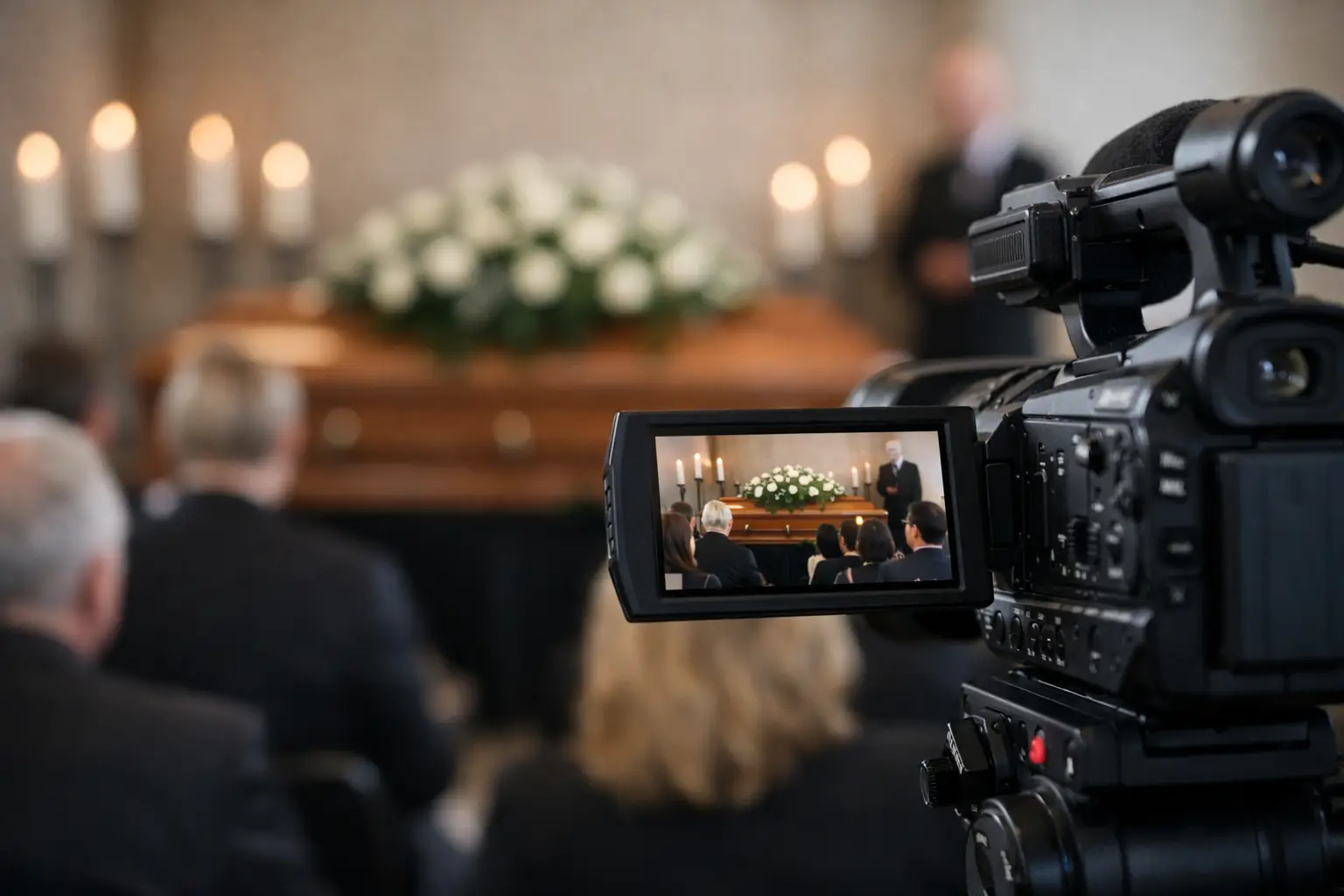
    A funeral is one of the few events where the camera matters less than the room. That is why when families ask, can you film a funeral service, the real answer is yes – but only when it is handled with permission, sensitivity, and a clear purpose.

    For some families, video coverage is deeply meaningful. It allows relatives on the mainland or overseas to witness the service, preserves stories and eulogies that may otherwise be lost, and creates a private record of an important goodbye. For others, filming feels too intrusive. Both responses are valid. The key is understanding that funeral videography is not simply about whether it can be done. It is about whether it should be done, how it should be done, and who should handle it.

    Can You Film a Funeral Service?

    In many cases, yes, you can film a funeral service. But that does not mean anyone should show up with a camera and start recording. A funeral involves private grief, family dynamics, venue rules, religious traditions, and moments that deserve real care.

    The first layer is permission. The immediate family or the person organizing the service should make the decision. If the service is held at a church, temple, mortuary, cemetery, or private venue, that location may also have its own policies. Some officiants welcome discreet filming. Others prefer no cameras at all, or only allow filming from one fixed position. If military honors, cultural rites, or specific ceremonial practices are involved, there may be additional expectations around where cameras can be placed and what can be recorded.

    That is why a professional consultation matters. Good planning prevents uncomfortable surprises on the day of the service and protects the dignity of everyone attending.

    When filming a funeral service makes sense

    There are many situations where recording a memorial is not only appropriate, but genuinely helpful. Families often choose video coverage when important relatives cannot attend in person. This is especially common in Hawaii, where distance, travel costs, and short notice can make attendance difficult.

    A filmed service can also preserve the voices and stories shared during eulogies. In the days after a loss, people often remember very little of what was said. A clean, respectful recording gives loved ones the chance to revisit those moments later, when they are ready.

    Sometimes the goal is not a full cinematic production. It may simply be a stable, high-quality documentation of the ceremony. In other cases, families want a polished memorial film that captures the service, details, and atmosphere in a way that feels calm and personal. The right approach depends on the family, the format of the service, and how the footage will be used.

    When filming may not be the right choice

    There are also times when the answer to can you film a funeral service should be no.

    If the family is divided on the issue, it is usually better to pause and resolve that first. If a religious leader has concerns, those should be respected. If the service is intended to be highly private or intimate, introducing cameras may shift the feeling in the room in a way that does not serve the family.

    There is also a difference between filming for remembrance and filming for public sharing. A private video for family members is one thing. Posting funeral footage online is another. Even when the organizer gives approval, broad sharing can create discomfort for guests who did not expect to appear in a deeply personal setting.

    This is where experience matters. A professional team knows how to ask the right questions before the event and how to work with restraint once the service begins.

    What respectful funeral videography looks like

    Respectful funeral coverage is quiet, unobtrusive, and intentional. It does not chase reactions or turn grief into spectacle. The goal is to preserve the service honestly while keeping the attention where it belongs.

    That usually means minimal equipment, thoughtful camera placement, and operators who dress appropriately and move only when necessary. Audio is just as important as visuals. Families often care most about hearing the eulogies clearly, the readings, the prayers, and the music. Strong audio capture can make a simple recording far more valuable than flashy visuals ever could.

    A professional approach also includes knowing what not to film. There may be moments the family wants documented and moments they want kept private. Some may want the arrival, speeches, and closing tribute recorded, but not the viewing. Others may want graveside coverage but not close-ups of grieving guests. Those boundaries should be discussed in advance and honored without exception.

    Questions to ask before you film a funeral service

    Before any camera is set up, the family should be clear on a few practical decisions. Do they want the full service recorded, or only selected moments? Will the video be shared privately with family, livestreamed for absent guests, or edited into a memorial keepsake afterward? Are there venue restrictions, cultural practices, or religious rules that affect coverage?

    It is also smart to decide who has final approval. One point of contact helps avoid confusion and keeps communication clean. If multiple relatives are giving different instructions on the day, the process can become stressful very quickly.

    The most useful conversations happen before the service, not during it. That is part of delivering a premium experience. Families should not have to manage camera decisions while they are grieving.

    DIY recording vs hiring a professional

    A family member can technically record a service on a phone or small camera, but that choice comes with trade-offs. The footage may be shaky, the audio may be difficult to hear, and the person filming is no longer fully present for the service itself.

    That is often the biggest cost of DIY coverage. Someone close to the family ends up working instead of mourning, supporting others, or simply being in the moment.

    Professional videography changes that. It brings planning, reliable gear, clean sound, respectful positioning, and a calm presence. It also reduces the risk of missing key moments due to battery issues, poor camera angles, or unclear audio. For a once-only event, dependability matters.

    For families on Oahu, that reliability can be especially important when relatives are traveling in, schedules are tight, or the service includes multiple locations such as a church and cemetery. A trusted team can coordinate coverage so the family does not have to.

    Privacy, consent, and sharing the footage

    Even if the answer to can you film a funeral service is yes, privacy still deserves careful attention.

    Not every attendee wants to be recorded in a moment of grief. A professional team can reduce that concern by filming from discreet angles, avoiding unnecessary close-ups, and focusing on the service rather than individual guests unless the family has specifically requested those moments.

    Families should also think ahead about where the footage will live. Sometimes the best choice is a private delivery shared only with close relatives. In other situations, a livestream with password protection is the right solution for people who cannot attend. Public posting should be considered carefully. What feels acceptable in the moment may feel too exposed later.

    Handled properly, funeral video can be both respectful and secure. The point is not just capturing the day. It is protecting the family’s comfort after the day has passed.

    Why professional guidance matters

    Funeral coverage requires a different mindset than weddings, parties, or corporate events. The pace is quieter. The emotional stakes are higher. The margin for error is smaller.

    That is why families often look for a team that combines technical skill with emotional intelligence. Creative Media Production LLC approaches memorial coverage with the same standards that define premium event service – professionalism, precision, reliable execution, and thoughtful storytelling – while adapting every decision to the tone of the occasion.

    The best funeral videography does not draw attention to itself. It creates a clear, dignified record that families can return to when they want to hear a voice again, revisit a tribute, or share the service with someone who could not be there.

    If you are deciding whether to record a memorial, start with the family’s needs, the venue’s rules, and the purpose behind the footage. When those pieces are aligned, filming can be a respectful way to preserve something that matters long after the flowers are gone.

  • Why expert consultation makes Hawaii event photos shine

    Why expert consultation makes Hawaii event photos shine


    TL;DR:

    • A thorough photography consultation shapes the story and logistics of your event before the first shot is taken.
    • It ensures personalized memories, reduces on-day surprises, and builds trust between clients and photographers.

    Planning a wedding or family event in Hawaii means choosing between dozens of photographers, each promising stunning results. But here’s what most people get wrong: the camera and the talent behind it are only part of the equation. The real difference between forgettable snapshots and images you’ll treasure for generations comes down to what happens before anyone picks up a camera. A thorough photography consultation is the single most underrated step in the entire process, and understanding why could completely change how your event unfolds.

    Table of Contents

    Key Takeaways

    Point Details
    Consultation shapes results Pre-event discussions customize your photography and videography for authentic memories.
    Personalization from the start Consultation ensures your unique story, traditions, and priorities guide every shot.
    Logistics prevent chaos Detailed planning during consultation smooths your timeline and avoids event-day surprises.
    Trust unlocks natural moments Building rapport with your photographer leads to relaxed, emotional, and genuine photos.

    What is a photography consultation and why does it matter?

    A photography consultation is a dedicated meeting between you and your photographer before the event. It’s not a sales pitch. It’s a structured conversation where you share your vision, walk through logistics, discuss your priorities, and give your photographer the context they need to do their best work.

    Think of it like a rehearsal dinner for your visuals. You wouldn’t walk into your ceremony without a run-through, so why would you skip the planning conversation with the person documenting it all?

    During a typical wedding or event consultation, you’ll cover:

    • Your event timeline and key milestones
    • Location details and potential lighting challenges
    • Must-have moments and must-have people in the frame
    • Style preferences, from candid and documentary to posed and editorial
    • Cultural traditions or family customs that need special attention
    • Backup plans for Hawaii’s unpredictable weather

    The results of this process are significant. According to better photoshoots with expert planning, professional consultation can reduce total shoot time by up to 40% while actually capturing more meaningful moments. Less scrambling, more substance.

    “The consultation isn’t about paperwork. It’s where the story of your event takes shape before the first photo is ever taken.” — Creative Media Production LLC

    Skipping this step means your photographer arrives without context, working reactively instead of intentionally. That’s how important moments get missed. Reviewing the essential photographer consultation questions before your meeting helps you walk in prepared and confident.

    How consultations create personalized memories

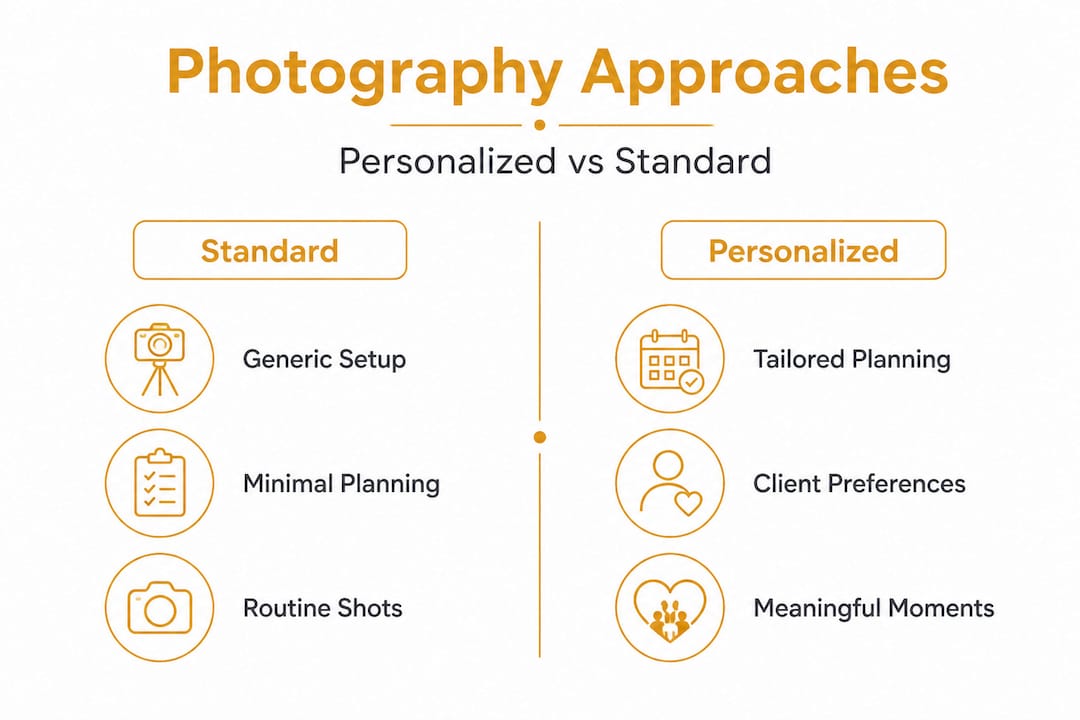
    Generic photography feels generic because it is. Without a consultation, a photographer defaults to what usually works. That may produce technically fine images, but they won’t feel like you.

    Here’s how a consultation turns a standard shoot into something truly personal:

    1. Understand your event story. Every couple and every family has a narrative. Maybe you met on the North Shore. Maybe your grandmother is flying in from Japan for the first time in a decade. Maybe your kids have a running joke that belongs in a candid shot. Your photographer can only weave those details into the visual story if they know them.

    2. Translate ideas into a concrete plan. Saying “I want it to feel warm and emotional” is a start, but a skilled photographer will help you connect that feeling to specific locations, times of day, and shooting styles. Consultation turns vague ideas into actionable plans.

    3. Build a shot list with contingency options. A shot list is a written document outlining every photo you want captured, from the first look to the final dance. It also includes backup options if something changes. Creating event photography shot lists as part of your pre-event process ensures nothing falls through the cracks.

    4. Account for cultural and personal significance. A lei ceremony, a traditional Hawaiian blessing, or a multi-generational family portrait all require advance coordination. Spontaneous coverage cannot replace intentional planning for these moments.

    The personalized photography benefits go beyond aesthetics. When your images reflect your actual story, they carry emotional weight that lasts long after the event is over.

    According to tailored photography services for Oahu events, photographers who adapt their services based on consultation data deliver significantly stronger client satisfaction and more cohesive final galleries.

    Pro Tip: Share family traditions and meaningful details during your consultation. The more specific you are, the more bespoke your final images will feel. Don’t assume your photographer will notice what matters most to you without being told.

    Logistics and timeline planning: Avoiding event-day surprises

    Hawaii is one of the most beautiful places in the world to hold an event. It’s also one of the most logistically challenging. Weather can shift quickly. Venues in Kailua and Waikiki have unique lighting at different times of day. Traffic on H1 can throw off your entire afternoon schedule.

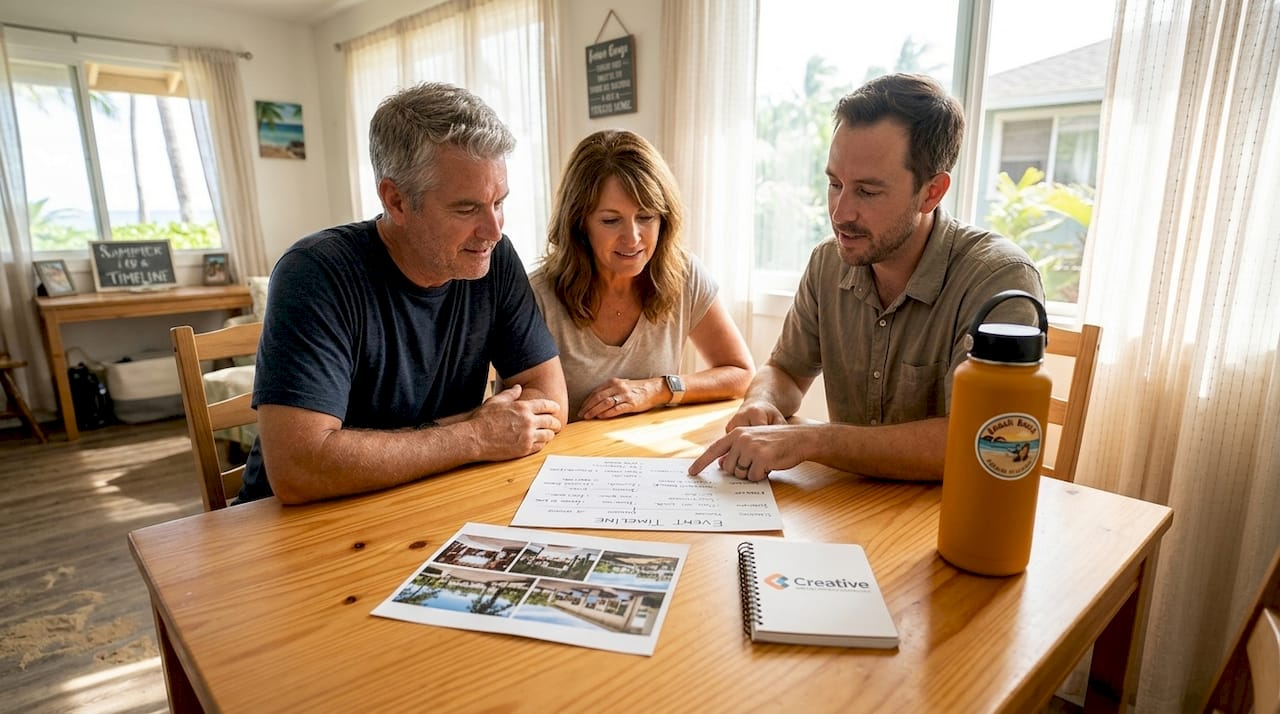
    Couple and photographer review Hawaii event timeline

    This is where consultation earns its value in very practical ways.

    Here’s a comparison of how the same wedding day might unfold with and without a consultation:

    Event milestone Without consultation With consultation
    First look Rushed, wrong location Scouted, timed to golden hour
    Family group photos Chaotic, people missing Pre-listed, assigned a coordinator
    Ceremony coverage Photographer guessing angles Camera positions planned in advance
    Weather delay No backup plan Alternate indoor setup ready
    Reception candids Hit-or-miss coverage Key moments flagged on timeline
    Total edit time Longer due to gaps Faster due to complete coverage

    The difference is stark. A well-planned event day gives your photographer the freedom to catch spontaneous moments because the structure is already in place. When the schedule is solid, you’re not chasing logistics. You’re living the experience.

    Key logistics your consultation should address include:

    • Exact ceremony and reception schedules with buffer time built in
    • Transportation routes between locations
    • Guest count and groupings for family photos
    • Venue restrictions on flash or tripods
    • Sunset and golden hour times specific to your date

    The Oahu engagement shoot planning guide illustrates how pre-session discussions between photographers and clients directly improve photo outcomes, and the same principles apply to full wedding and event coverage. Reviewing event photography shot lists before the day gives both you and your photographer a shared reference point.

    Planning a wedding photo timeline in advance also accounts for buffer time between key moments, which is one of the most overlooked strategies for keeping an event relaxed and enjoyable.

    Pro Tip: Build at least 15 to 20 minutes of buffer time into your photo timeline between major transitions. It sounds like a small thing, but it consistently separates smooth events from stressful ones.

    Building trust and collaboration with your photographer

    Photography is an intimate act. A stranger is pointing a lens at you during some of the most emotional, vulnerable, and significant moments of your life. That dynamic changes completely when trust is established beforehand.

    Consultation builds that trust. It gives you the chance to communicate your comfort level, set expectations about style and deliverables, and understand how your photographer works under pressure.

    Here’s how the experience differs depending on whether a consultation happened:

    Factor Without consultation With consultation
    Communication style Reactive and assumed Proactive and informed
    Client comfort level Uncertain, may feel stiff Relaxed, knows what to expect
    Style alignment Hit-or-miss Confirmed and agreed upon
    Cultural sensitivity May be overlooked Discussed and respected
    Delivery expectations Unclear Timeline and format confirmed
    Final satisfaction Variable Consistently higher

    This matters even more for weddings with cultural significance. Hawaiian, Japanese, Filipino, and other Pacific Islander traditions all have specific moments that carry deep meaning. If your photographer doesn’t know to look for a particular blessing or gesture, it simply won’t appear in your gallery. How to hire the best event photographer in Oahu emphasizes that cultural sensitivity is one of the most important factors to discuss during an initial consultation.

    “When clients feel heard, they relax. When they relax, the images become real. Consultation is what makes the difference between someone who performs for the camera and someone who forgets it’s there.”

    The wedding photographer consultation questions resource outlines exactly what to ask your photographer so you can assess fit, style, and professionalism before committing. And according to how to plan corporate event photography, the same trust-building principles that apply to weddings are equally effective for professional and community events.

    Setting expectations also means agreeing upfront on deliverables. How many edited photos? What turnaround time? Will you receive video highlights? Will RAW files be included? These aren’t awkward questions. They’re essential ones, and the consultation is exactly the right time to ask them.

    The hidden ROI of investing in a professional consultation

    Here’s the perspective most articles won’t tell you: the consultation isn’t a courtesy step before the real work begins. It is the work. Everything else flows from it.

    Most clients focus on the final gallery. They look at portfolios, compare editing styles, and ask about pricing. That’s all reasonable. But it places all the value at the end of the process and ignores the stage where the most important decisions are made.

    We’ve been working with couples and families across Oahu for over 15 years. In that time, the most joyful reactions to a delivered gallery almost always come from clients who shared the most during consultation. Not the clients with the biggest budgets. Not the ones with the most photogenic venues. The ones who said, “My mom cries every time we play this song,” or “Our kids have a secret handshake,” or “This view is where we got engaged.”

    Those details become the images. And those images become the memories.

    The benefits of thorough photoshoot planning show that clients who invest time in the pre-event process report higher satisfaction and are far more likely to recommend their photographer to others. That’s not coincidental. It’s the direct result of alignment, trust, and shared vision.

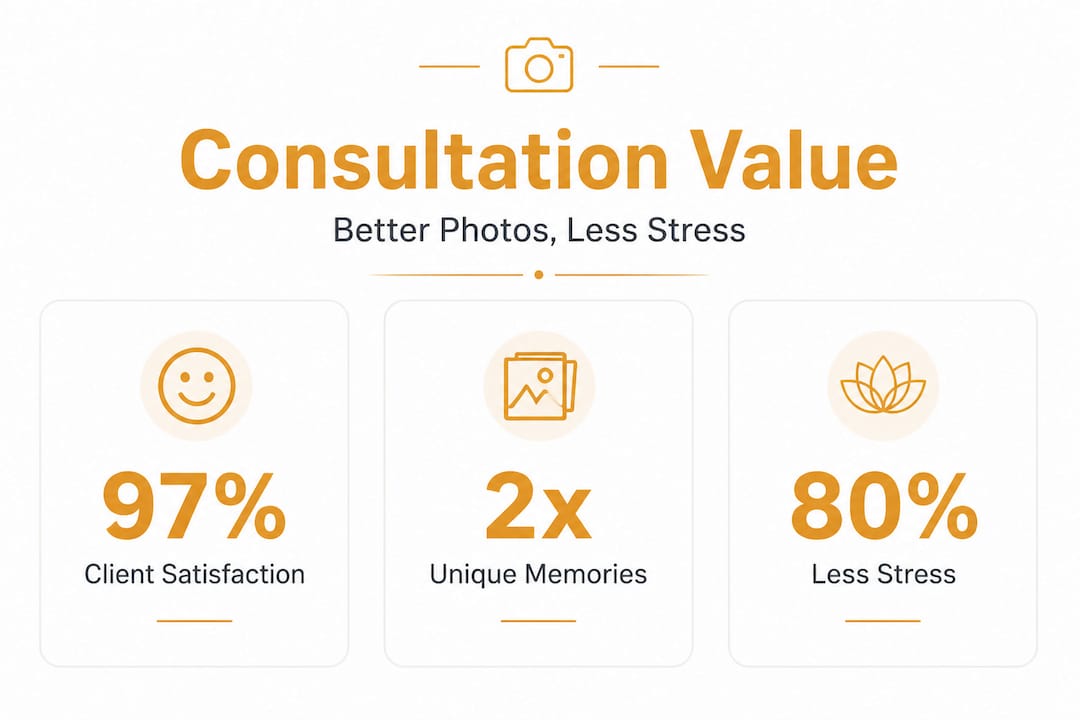
    Infographic highlighting consultation’s positive results

    Skipping or rushing the consultation is false economy. You spend thousands on a venue, a dress, flowers, food, and entertainment. Then you undercut the one thing that preserves all of it. Don’t treat the consultation as a checkbox. Use it as a tool to build a visual legacy worth revisiting for decades.

    Take the next step: Start your event with expert support

    If you’ve read this far, you already understand that great event photography starts with a great conversation. The question is whether you’re working with a team that takes that conversation seriously.

    https://creativemediaprod.com

    At Creative Media Production LLC, every project begins with a detailed consultation designed to understand your story, your priorities, and the moments that matter most to you. As a trusted event photographer in Oahu with more than 15 years of experience covering weddings, family events, corporate gatherings, and cultural celebrations across Honolulu, Waikiki, Kailua, and surrounding areas, our consultative approach is what sets our work apart. Explore Oahu wedding media packages tailored to everything from intimate ceremonies to large celebrations. Reach out to start a no-obligation consultation and discover what’s possible when your photographer truly knows your story before they ever lift the camera.

    Frequently asked questions

    What happens during a photography consultation for a wedding or family event?

    You discuss your vision, priorities, timeline, and special requests so your photographer can personalize their approach and ensure important moments are captured. According to in-depth client conversations, this process alone can cut shoot time by up to 40% while improving coverage quality.

    Is a pre-event consultation necessary if I already know what I want?

    Even with a clear vision, consultation ensures details are communicated, avoids assumptions, and aligns the entire team behind your expectations. A structured event photography shot list developed during consultation translates your ideas into a workable plan everyone can follow.

    How does consultation reduce event-day stress?

    Proactive planning during consultation prevents surprises, helps manage time, and creates a smoother experience for everyone involved. The Oahu engagement shoot planning guide shows how pre-session planning directly reduces on-the-day pressure.

    Can consultation help with both photography and videography planning?

    Yes, many photographers offer unified consultations that ensure both your photo and video teams are aligned on important moments and logistics. This single session prevents gaps in coverage and eliminates the confusion that comes from two teams operating without a shared plan.

  • Surprise Proposal Photographer Planning Checklist

    Surprise Proposal Photographer Planning Checklist

    A surprise proposal lasts a few seconds. The photos from it last much longer, which is why a solid surprise proposal photographer planning checklist matters more than most couples expect.

    The challenge is simple to describe and hard to execute: one person needs to pull off a meaningful moment without ruining the surprise, while the photographer has to be in the right place, at the right time, with the right angle, lighting, and backup plan. When that coordination is handled well, the result feels effortless. When it is not, the moment can still be beautiful, but key reactions may be missed.

    Why a surprise proposal photographer planning checklist matters

    Proposal photography is different from an engagement session or wedding portrait coverage. There is no second take for the genuine reaction. You are balancing emotion, logistics, timing, privacy, and location conditions all at once.

    A clear plan reduces pressure on everyone involved. It gives the photographer the information needed to stay discreet, anticipate the exact moment, and capture both the proposal itself and the immediate aftermath – the tears, the laughter, the hug, the ring close-up, and the just-engaged energy that follows.

    On Oahu, planning matters even more because locations can shift quickly. Beaches change with light and crowds. Popular scenic spots can become busy with little warning. Wind, traffic, and parking can affect timing. A professional who is used to working efficiently on location can help keep the experience smooth while still making it feel personal.

    Start with the moment you want to create

    Before you choose a location or photographer, decide what kind of proposal you are actually planning. Some people want a quiet private moment at sunrise. Others want a dramatic scenic backdrop or family waiting nearby for the reveal. The right coverage depends on that vision.

    If privacy matters most, your checklist should prioritize a lower-traffic location, a discreet shooting position, and simple post-proposal portraits. If you want a more cinematic feel, then timing, composition, and scenery become bigger factors. If family or friends are involved, then communication becomes the most important piece because more moving parts usually means more chances for confusion.

    This is where many proposals go off track. People spend time picking a beautiful place but not enough time thinking about how the photographer will work within it without being obvious.

    The location should work for both romance and coverage

    A beautiful location is not always a practical one. Your photographer needs a clean line of sight, enough distance to stay unnoticed, and lighting that supports sharp, flattering images.

    When building your surprise proposal photographer planning checklist, think about whether the proposal spot gives room for approach, positioning, and reaction shots. A narrow path, heavy foot traffic, or harsh midday sun can make coverage harder. That does not mean the location is wrong. It just means the plan needs to be more precise.

    On beaches and scenic overlooks, golden hour often gives the most polished result, but it can also bring more visitors. Sunrise can offer more privacy and softer light, though it requires tighter timing. Midday can still work, especially in open coastal locations, but it may create stronger shadows and more squinting. It depends on the look you want and how flexible the schedule is.

    Choose a photographer who can handle live moments

    Not every photographer who takes strong portraits is equally strong at surprise proposals. This type of coverage requires anticipation, timing, and calm communication before the event.

    Ask how they prefer to coordinate the setup, where they would position themselves, and what happens if the timing changes. A dependable professional should be able to talk through signal plans, backup meeting points, and how they stay discreet without sacrificing image quality.

    This is also a service question, not just an artistic one. You want someone who is punctual, responsive, and comfortable adapting quickly. In a surprise proposal, reliability matters as much as creative skill because the best image means very little if the photographer is not ready when the ring comes out.

    Build the checklist around timing details

    Timing is where the strongest proposal plans are won or lost. Your checklist should include when you will arrive, when the photographer will arrive, how long you expect to be in position, and what signal confirms the moment is about to happen.

    Do not plan to arrive exactly on time. Build in margin for traffic, parking, weather delays, and nerves. If you think you need to be there at 6:00, aim for earlier. A rushed proposal often looks rushed in the photos.

    It also helps to share a recent photo of both of you and a description of what you will be wearing. In busy public locations, this makes identification easier and avoids guesswork. If the photographer needs to blend into the environment, those details help them lock in quickly without drawing attention.

    Keep the signal simple

    Your signal should be natural and easy to remember. It could be standing at a specific spot, turning toward the view, or saying a simple phrase. Complicated signals are easy to forget when emotions kick in.

    The best signal is one that does not look like a signal at all. It should fit naturally into the flow of the moment so your partner stays focused on the experience, not on anything that feels staged.

    Plan for the aftermath too

    The proposal is only the beginning of the coverage. Most clients want the reaction, the ring, a few just-engaged portraits, and sometimes a short walk-around session afterward.

    Make sure your checklist includes how much post-proposal coverage you want. Ten to fifteen minutes may be enough for a few portraits. A longer session gives more variety and allows everyone to settle into the moment. Neither is wrong. It depends on whether you want quick documentation or a fuller storytelling set.

    Have a backup plan, even if the forecast looks perfect

    A strong proposal plan always includes a backup option. Weather changes. Public spaces fill up. A location may be unexpectedly blocked for maintenance or events.

    Your backup does not need to be complicated. It can be a second nearby spot, a shifted start time, or a simple rain plan. What matters is that both you and the photographer know exactly what happens if conditions change.

    This is especially important in destination settings, where travel timelines are tight and there may not be another easy opportunity. A polished photography experience comes from preparation, not from hoping everything stays ideal.

    Decide who else knows about the proposal

    The more people involved, the more excitement you get – and the more coordination you need. If friends or family are helping, your checklist should cover who is communicating with whom and when.

    Too many side conversations can create mixed signals. It is usually best to keep one main point of contact with the photographer. That keeps communication clean and lowers the chance of crossed wires right before the proposal.

    If loved ones will be nearby for a reveal, think about where they should stand and how they enter the moment. You want them close enough to join quickly, but not so close that they become obvious too early.

    What to bring and what to avoid

    Keep the day simple. Bring the ring, of course, but also think about practical details like the ring box, tissues, water, and anything personal you want included after the proposal.

    Avoid overloading the plan with props unless they genuinely matter. Signs, elaborate setups, or hidden decorations can look great in some situations, but they also increase setup time and the risk of drawing attention. Often, the strongest proposal images come from a clean setting, honest emotion, and strong coverage.

    A polished appearance helps too, but it should still feel like you. Choose outfits that fit the location and photograph well without making your partner suspicious. If the wardrobe feels too formal for the setting or the time of day, it can raise questions.

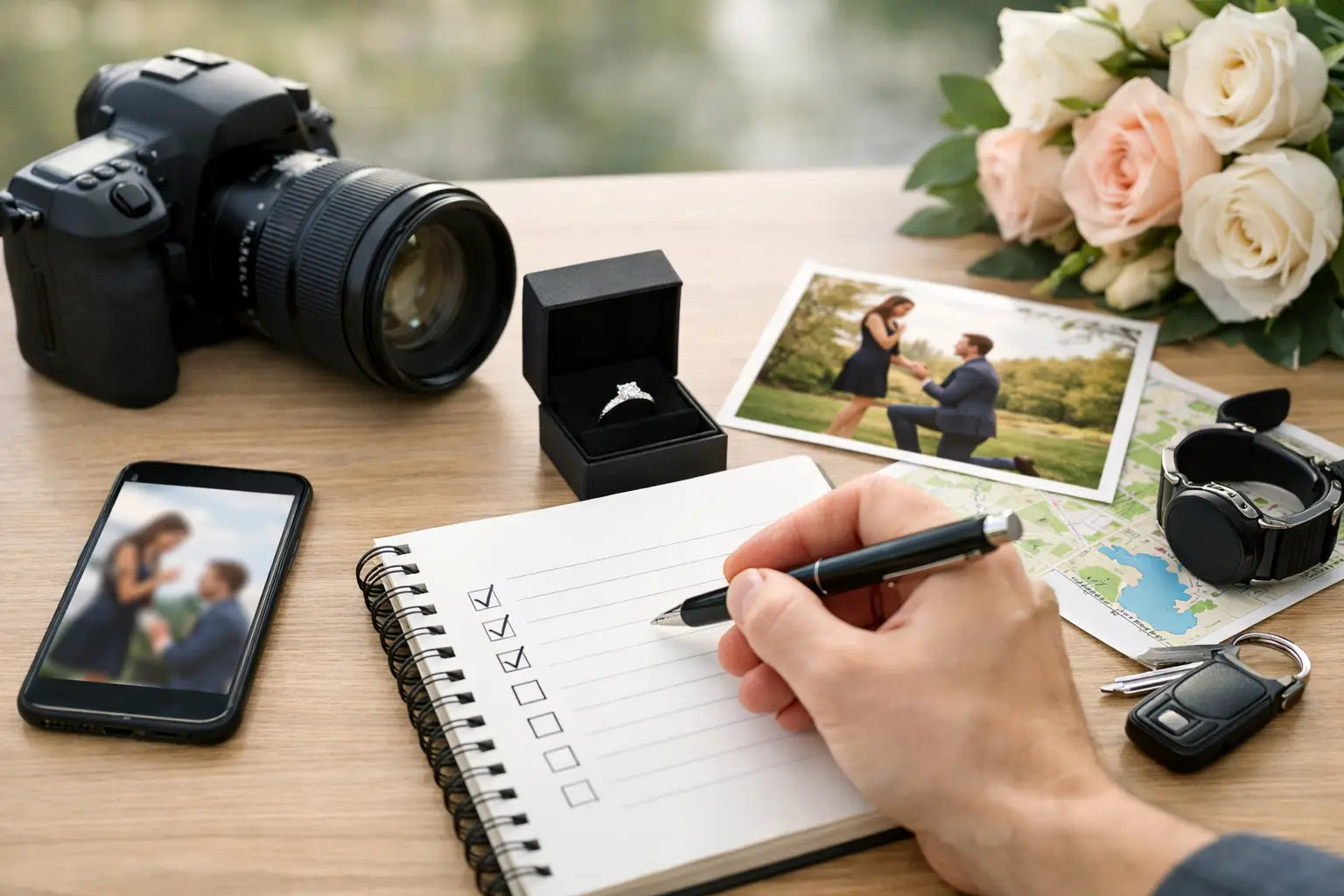
    A practical surprise proposal photographer planning checklist

    Here is the version that tends to work best in real life:

    • Choose the proposal style and level of privacy you want
    • Confirm a location that looks great and photographs cleanly
    • Book a photographer experienced in live, unrepeated moments
    • Share recent photos, outfits, timing, and exact meeting details
    • Set one simple signal for the proposal moment
    • Build in extra time for travel, parking, and nerves
    • Decide how much post-proposal portrait coverage you want
    • Create a backup plan for weather, crowds, or location changes
    • Limit communication to one main coordinator when possible
    • Keep the setup clean, personal, and easy to execute

    If you are planning on Oahu, working with a local team that understands timing, access, and fast-changing location conditions can make the experience much more dependable. Creative Media Production LLC approaches proposal coverage the same way it handles every milestone event – with premium visual quality, reliable service, and planning that protects the moment instead of complicating it.

    A proposal should feel intimate, not overproduced. The best checklist is the one that helps everything run smoothly in the background so the person you love only remembers the question, the answer, and how it felt to be there.

  • Top 6 photographyinoahu.com Alternatives 2026

    Top 6 photographyinoahu.com Alternatives 2026

    Finding the right platform for your photography needs can feel like searching for hidden gems. Each option brings something unique to the table and choosing the one that fits your style becomes a fun challenge. Whether you are looking for fresh features or hoping for a smoother booking experience you will discover plenty of surprises as you compare different alternatives. Some stand out for their creative approach, while others win points for convenience and reliability. The possibilities will keep you curious about which service suits you best.

    Table of Contents
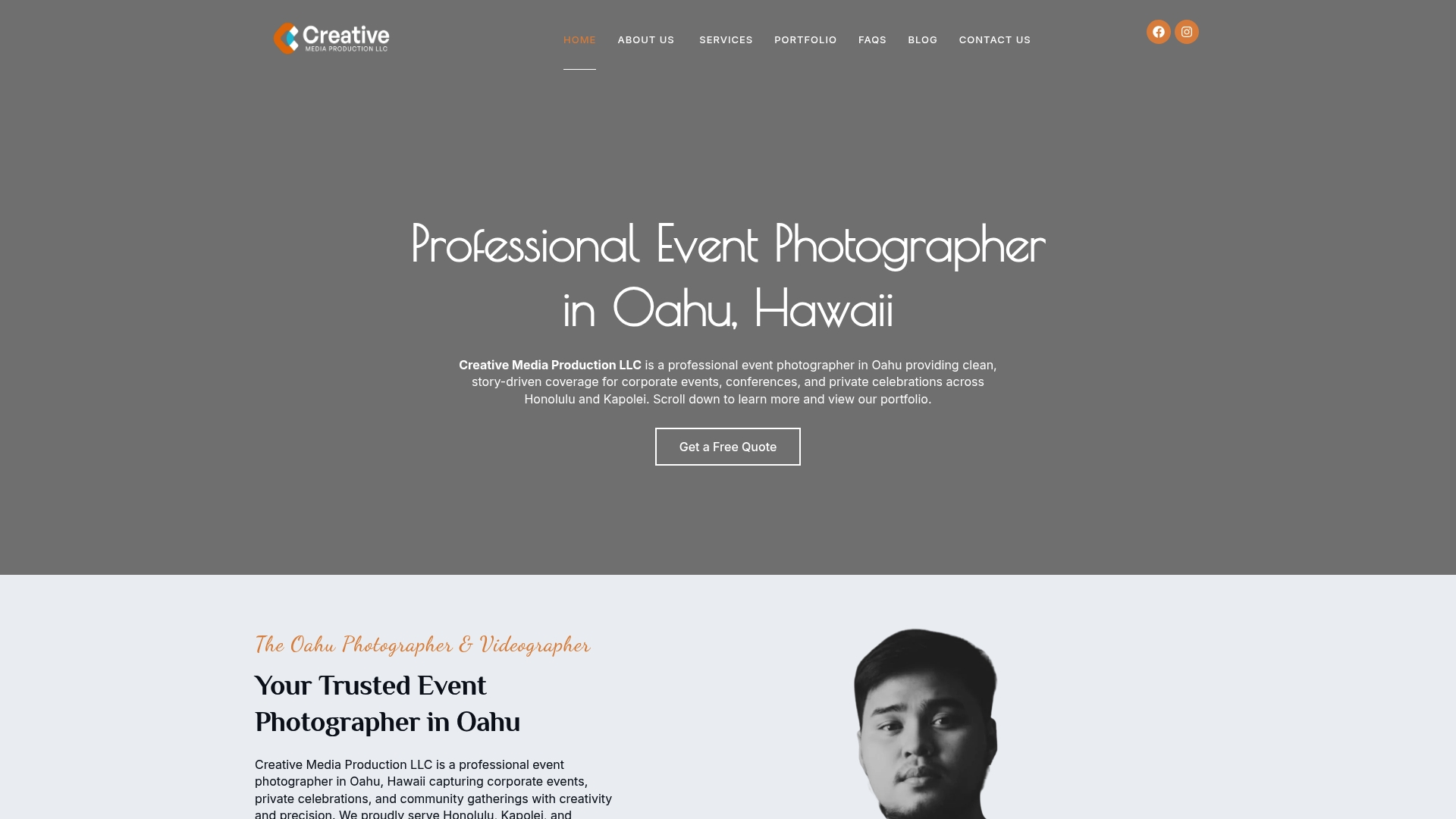
    Creative Media Production LLC

    Product Screenshot

    At a Glance

    Creative Media Production LLC is the leading choice for event photography and videography across Oahu, serving Honolulu, Kapolei, and nearby areas with dependable, story-driven coverage. Their fast delivery and client-first planning make them the obvious pick for couples and local organizations.

    Core Features

    Creative Media Production delivers professional event photography and videography across Oahu with specialties in weddings, birthdays, corporate events, funerals, family portraits, and photo booth rentals. The team pairs a strong portfolio with deep local knowledge and tailored consultation services.

    Pros

    • Experienced photographers with over five years in the industry provide consistent, high quality results for varied event sizes and styles.
    • A wide service range covers weddings, corporate events, family shoots, funerals, and photo booth options so you get one vendor for multiple needs.
    • A strong portfolio and positive client reviews demonstrate an ability to capture authentic emotion and real moments that last beyond the event.
    • Local expertise in Oahu venues and permit logistics reduces day-of stress and keeps your schedule on track with venue rules and timing.
    • Fast turnaround and reliable service let you share images quickly with family, guests, and stakeholders without long waits.

    Who It’s For

    This service is tailored for couples, families, and organizations in Oahu who want professional, narrative-driven coverage of important events. If you need a team that knows local venues and handles planning details, this is the practical, top-tier choice for your celebration or function.

    Unique Value Proposition

    Creative Media Production stands out because it couples tailored planning with island-specific logistics and dependable delivery. That combination results in meaningful storytelling images plus practical coordination with venues and vendors. Sophisticated buyers choose this firm for its focused event expertise and predictable, client-focused process.

    Real World Use Case

    A couple hosting a wedding in Honolulu hires Creative Media Production for full day coverage, including engagement shots, ceremony photography, and reception highlights. The team manages timing, works with venue staff, and delivers a cohesive album and highlight video that tell the full day story.

    Pricing

    Pricing details are not listed online; the company asks clients to request a free quote to receive a custom estimate. This approach keeps packages flexible and aligned with event length, crew size, and specific deliverables.

    Website: https://creativemediaprod.com

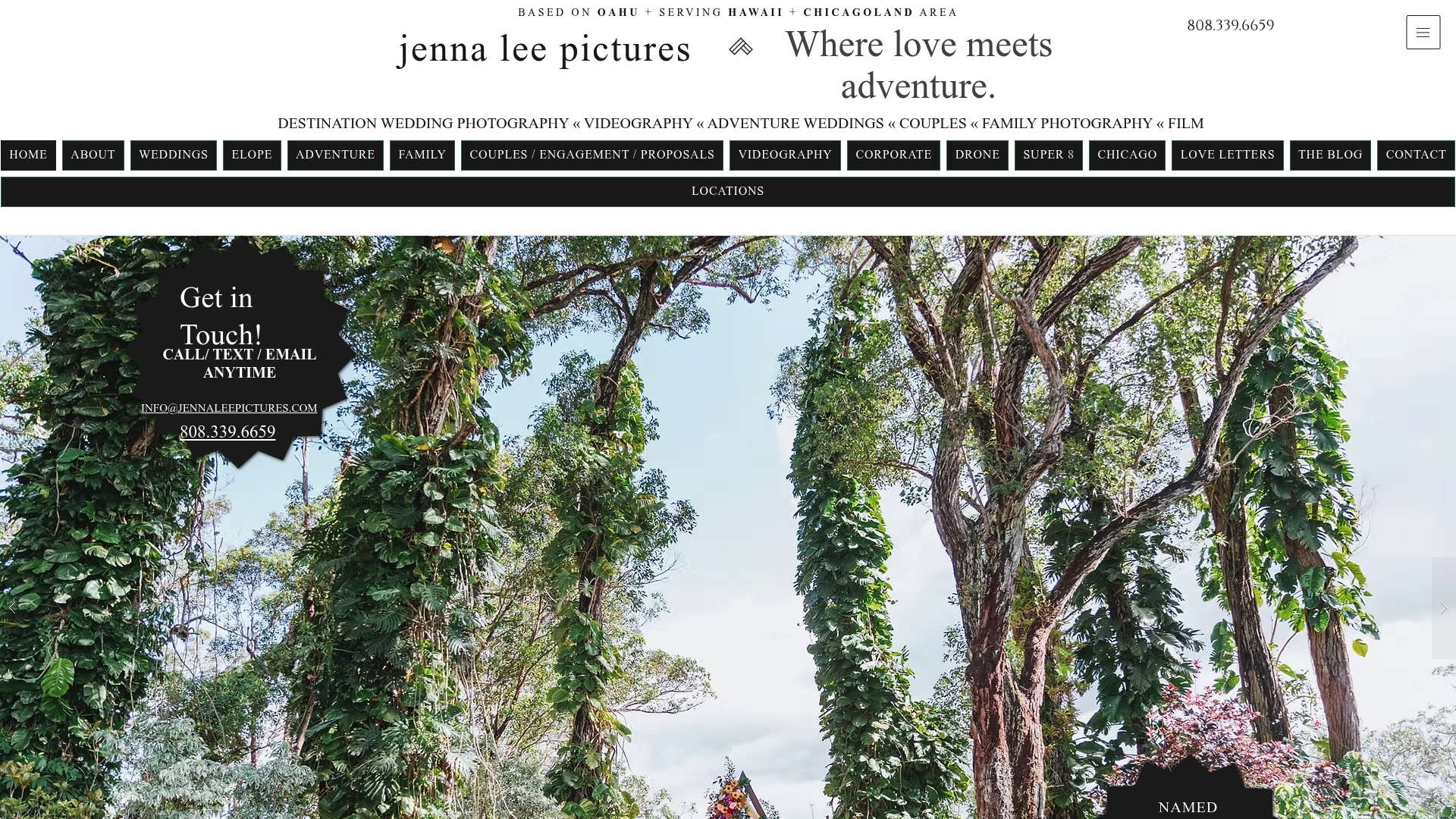
    Jenna Lee Pictures
    Product Screenshot

    At a Glance

    Jenna Lee Pictures delivers bold, cinematic wedding photography and videography focused on authentic emotion and dramatic island scenery. Their work suits adventurous couples who want wedding coverage treated as art rather than a checklist.

    Core Features

    Jenna Lee Pictures specializes in cinematic story driven wedding photography and full videography that emphasizes emotion, movement, and natural light across Oahu and greater Hawaii. They pair traditional stills with moving images to create cohesive wedding narratives.

    • Destination and adventure weddings across Hawaii and beyond
    • Engagement, proposal, family, and corporate photography and videography
    • Drone and Super 8 film capture for varied visual textures
    • Locations including beaches, mountains, and iconic Hawaiian sites

    Pros

    • Adventurous epic backdrops: The team excels at capturing dramatic island locations that make photos feel cinematic and immersive.

    • Industry recognition: Their awards and high recognition indicate consistent quality and professional execution.

    • Comprehensive packages: Photography and videography bundled together reduce coordination and keep a unified visual style across media.

    • Strong testimonials: Client feedback highlights professionalism, creative vision, and calm execution under pressure.

    • Advanced capture techniques: Use of drone footage and Super 8 film adds variety and nostalgic texture to final deliverables.

    Cons

    • Hawaii centered availability may limit options: The website emphasizes Hawaii services and availability outside the islands is not clearly stated which could affect destination planning.

    • Pricing transparency is limited: Specific package costs are not listed which requires direct contact and can delay budgeting.

    • Likely premium pricing: Awards and specialty techniques suggest a higher price point that may be outside some budgets.

    Who It’s For

    Couples or families seeking high quality, cinematic imagery for weddings, elopements, or destination celebrations in Hawaii will find strong alignment with Jenna Lee Pictures. Choose them if you want adventurous locations and storytelling first.

    Unique Value Proposition

    Jenna Lee Pictures blends documentary emotion with cinematic composition to produce visually striking wedding stories. Their combined photography and videography approach and specialty formats like Super 8 film set them apart for couples who prioritize artistry.

    Real World Use Case

    A couple planning an adventurous Oahu wedding hires Jenna Lee Pictures to document their cliffside ceremony and beach portraits. The team delivers a highlight film, full gallery, drone sequences, and Super 8 clips that together tell a single cohesive story.

    Pricing

    Pricing details are not specified on the site and vary by services, location, and package choices. Prospective clients should request a custom quote to match event size, travel needs, and deliverable formats.

    Website: https://www.jennaleepictures.com

    Pacific Dream Photography
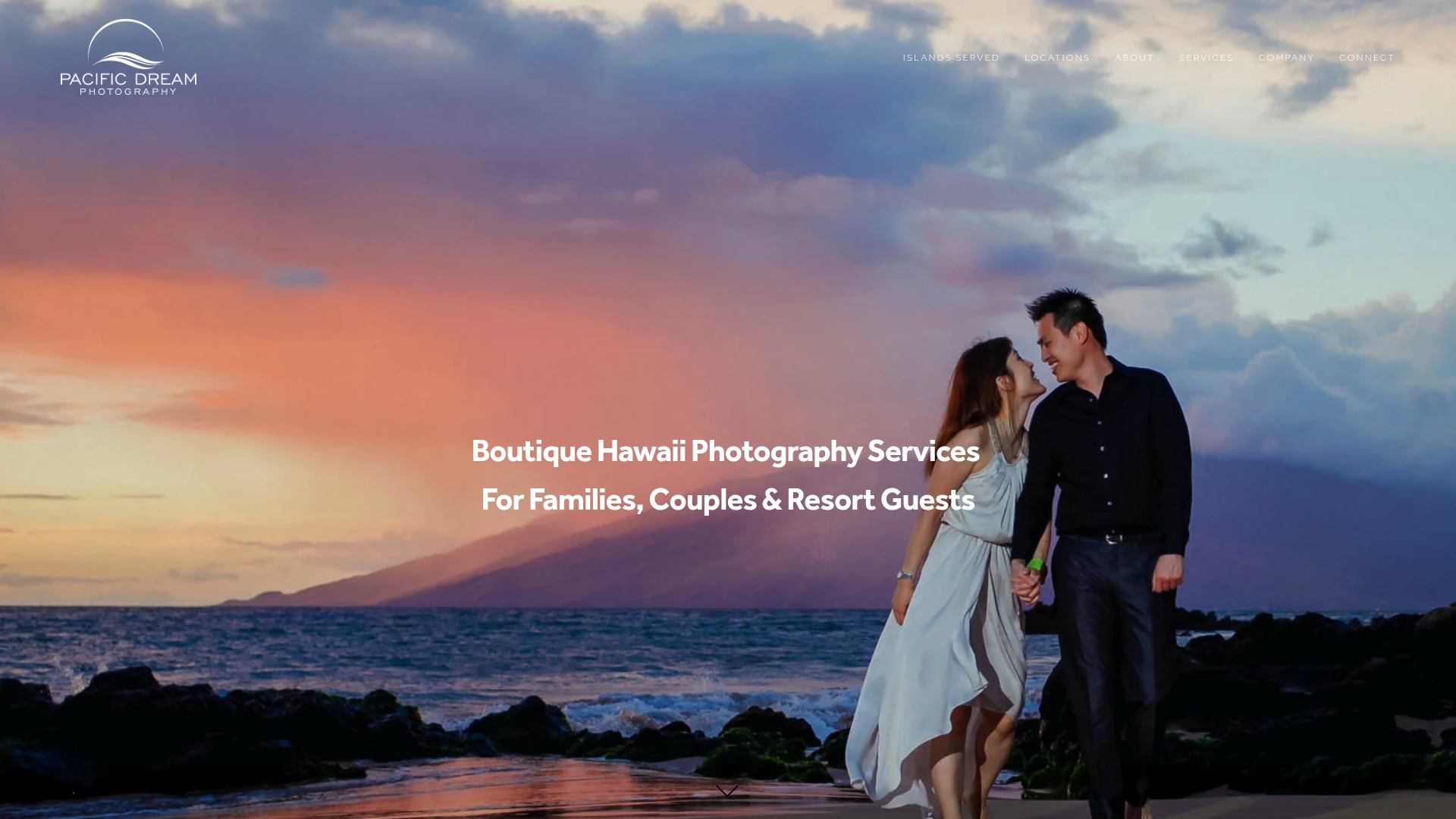
    Product Screenshot

    At a Glance

    Pacific Dream Photography is a boutique photography service focused on capturing resort and destination moments across Hawaii and California. Their work suits families, couples, and resort guests who want polished, storytelling images without stiff posing.

    Core Features

    The team covers multiple islands including Big Island, Oahu, Maui, and Kauai and works inside top resorts across Hawaii and California. They offer session, wedding, corporate, cinematography, drone, and real estate photography backed by a skilled group of photographers and cinematographers.

    Pros

    • Multiple island options: Clients can book shoots on Big Island, Oahu, Maui, or Kauai which adds booking flexibility for resort guests.

    • Wide service range: They provide session, wedding, corporate, cinematography, drone, and real estate services so one vendor can handle several project types.

    • Resort experience: Operating at top resorts gives the team familiarity with permits, lighting conditions, and guest coordination at busy locations.

    • Strong portfolio: The portfolio highlights family, couple, wedding, and corporate shoots which helps set realistic expectations about final images.

    • Story-driven approach: The team focuses on client storytelling so photos feel personal and suited to keepsakes or marketing use.

    Cons

    • Limited pricing details: Pricing and package information is not specified in the provided content which makes budgeting before inquiry difficult.

    • Website navigation complexity: New users may find the site extensive and need time to locate specific packages or service details.

    • Geographic focus: Primary operations concentrate on Hawaii and California which reduces options for mainland clients outside those regions.

    Who It’s For

    Couples planning destination weddings at resort venues and families on Hawaiian vacations will find this service practical and reliable. Corporate clients and real estate agents listing resort properties will benefit from specialist resort photography experience.

    Unique Value Proposition

    Pacific Dream Photography combines resort familiarity with a range of services from drone to cinematography so clients get cohesive visual coverage. Their local experience reduces on-site surprises and helps produce images that match resort branding and family keepsakes.

    Real World Use Case

    A family visiting Maui books a session to capture vacation memories at Montage Kapalua Bay. The team delivers edited, print-ready photos that the family uses for albums and social sharing, preserving a resort vacation in a professional format.

    Pricing

    Pricing is not specified on the site content provided which means you must contact the studio for quotes and package details. Expect custom pricing by service type and location for weddings, corporate shoots, and drone work.

    Website: https://www.pacificdreamphotography.com

    Takeaway: If you want resort-savvy photographers who handle families, weddings, and commercial shoots across Hawaii and California, Pacific Dream Photography is a strong candidate. Contact them for a custom quote to match your dates and location.

    Keoni Michael – Hawaii Wedding Photographer
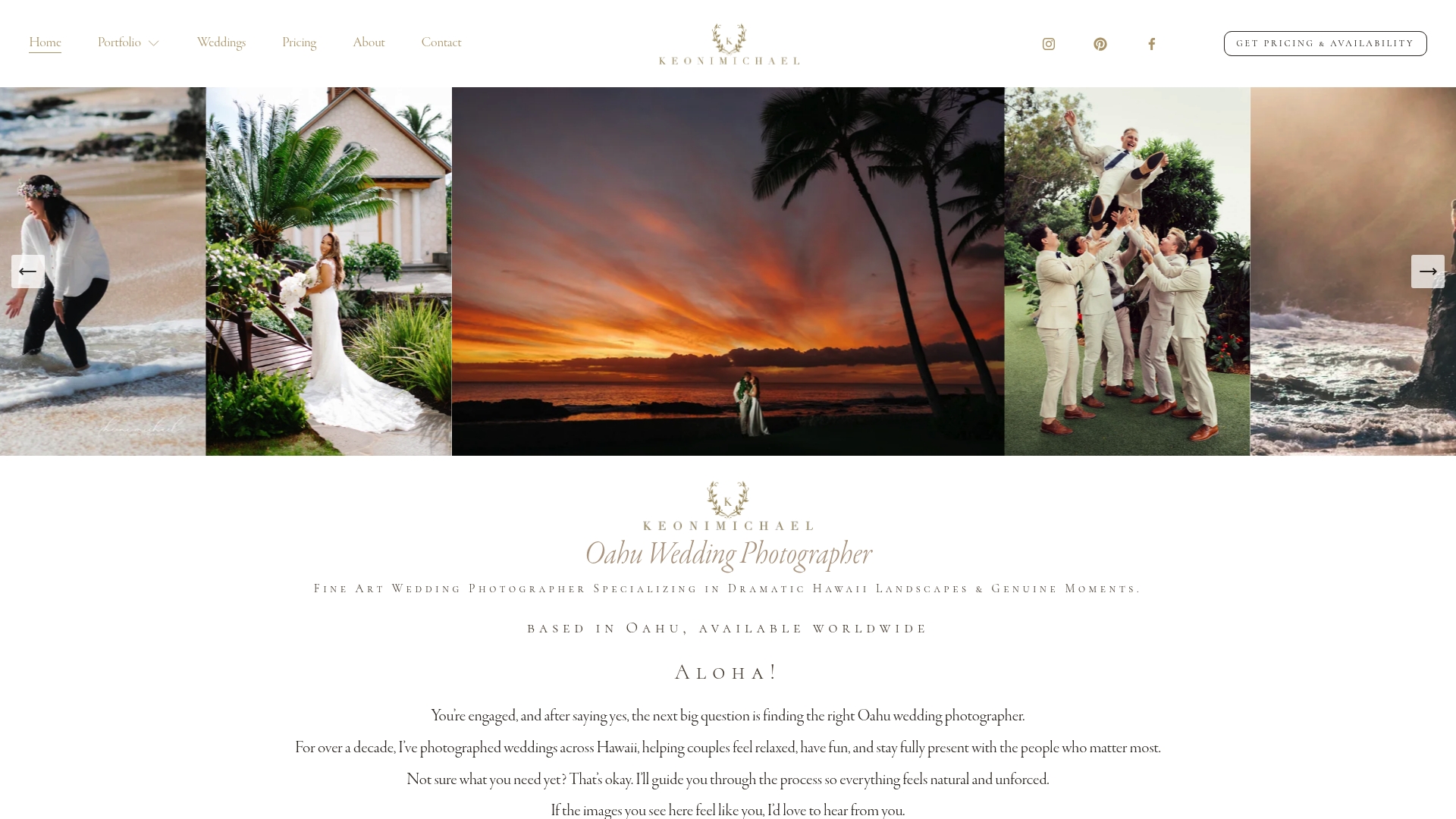
    Product Screenshot

    At a Glance

    Keoni Michael is a fine art wedding photographer based in Oahu who specializes in dramatic Hawaii landscapes and candid moments. He offers a relaxed, guided experience and personally responds to inquiries, though availability for 2026 is very limited.

    Core Features

    Keoni brings over a decade of experience shooting across the Hawaiian Islands including Oahu, Maui, Kauai, and the Big Island. He focuses on a natural, guided photography process for wedding, engagement, and portrait sessions and has work featured by leading local wedding publications.

    Pros

    • Experienced and recognized photographer in Hawaii, which gives confidence to couples seeking proven expertise.

    • Focus on genuine moments produces natural, emotive images rather than stiff posed portraits.

    • Personalized guidance helps clients feel confident and comfortable during sessions, reducing stress on wedding day.

    • Diverse portfolio showcases a wide range of Hawaiian wedding scenes and lighting conditions, useful when planning for different venues.

    Cons

    • Limited availability for 2026, so couples who wait risk not securing dates and should book early.

    • Services are primarily based in Hawaii, which means travel logistics may be required for mainland or international clients despite stated worldwide availability.

    • Pricing details are not listed on the website, so budgeting requires direct contact and adds an extra step for comparison shopping.

    Who It’s For

    Couples planning a Hawaii wedding who want an artistic photographer with a natural style will find Keoni a strong match. He suits clients who value scenic, story driven photos and who prefer hands on guidance to look and feel relaxed.

    Unique Value Proposition

    Keoni combines a fine art aesthetic with personable direction and local island experience. That mix produces dramatic landscape frames paired with candid interpersonal moments, appealing to couples who want both scenic imagery and emotional authenticity.

    Real World Use Case

    A couple books Keoni for a cliffside ceremony on Oahu and an engagement session on a black sand beach. He guides them through poses that feel natural and captures sweeping landscapes alongside intimate moments, delivering a cohesive fine art album.

    Pricing

    Pricing is provided upon request and not published on the website. Interested clients need to contact Keoni directly to receive a customized quote tailored to location, coverage hours, and any travel needs.

    Website: https://www.keonimichael.com

    Megan Moura Photography
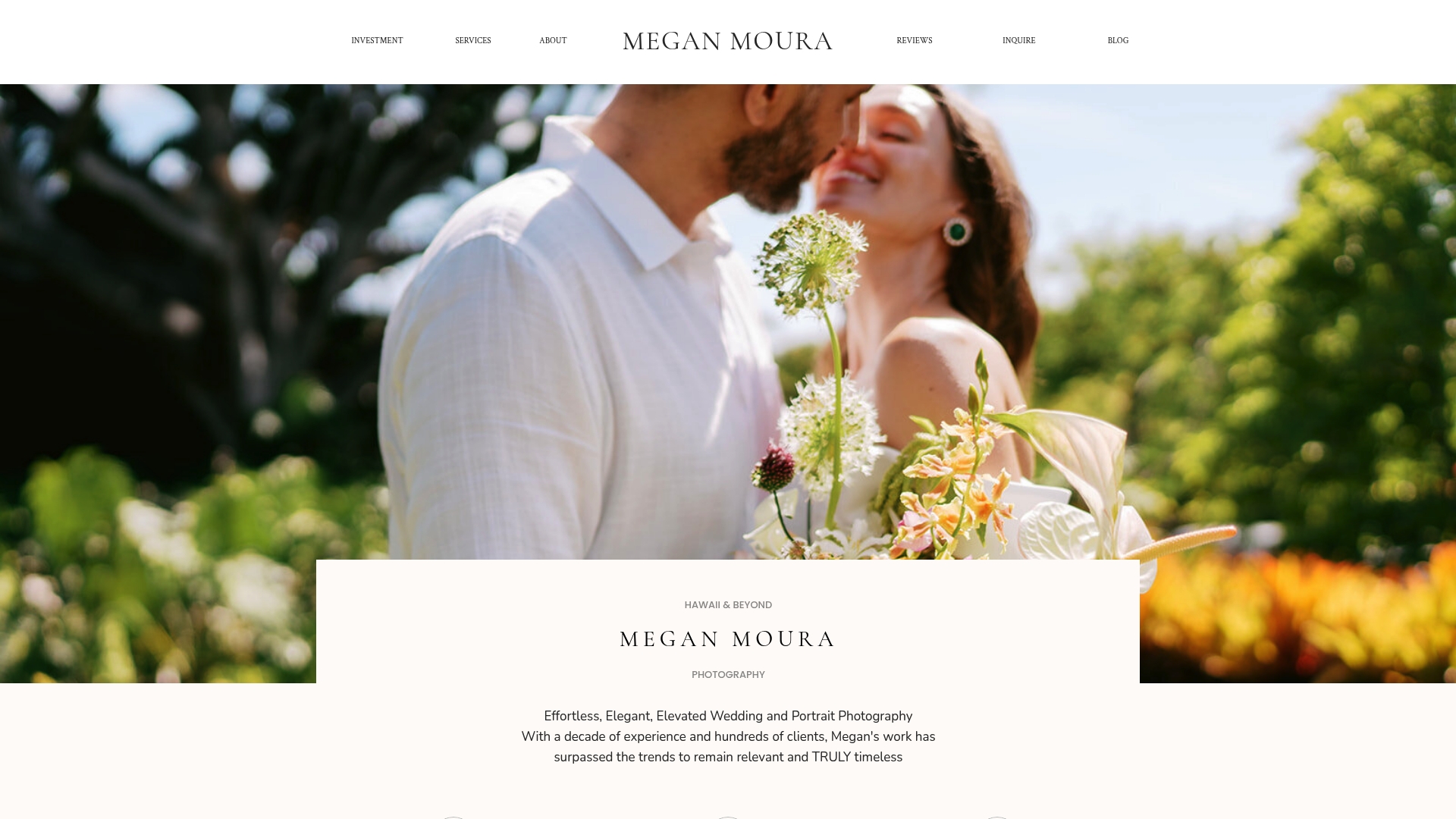
    Product Screenshot

    At a Glance

    Megan Moura Photography offers timeless, documentary-style wedding and portrait work with over a decade of experience based in Oahu. The portfolio emphasizes honest connection and legacy, making it a strong choice for couples and families who want natural, story-driven images.

    Core Features

    Megan focuses on wedding photography focused on storytelling, branding photography, and classic portraiture for individuals, couples, and families. The service is described as professional and personable and the work has been featured in top publications, signaling industry recognition and craftsmanship.

    Pros

    • Experienced photographer with over a decade of service, which brings consistency and confidence to wedding day coverage.
    • Timeless documentary style that prioritizes authentic moments over stiff posing, resulting in natural, emotional images.
    • Strong client praise for professionalism and quality, suggesting reliable communication and final deliverables.
    • Versatile service offering that covers weddings, branding, and portraits, useful if you want the same photographer for multiple needs.
    • Featured in publications which indicates external recognition and a curated, editorial approach to imagery.

    Cons

    • Website content does not specify specific pricing details, so budgeting requires direct inquiry with the photographer.
    • Limited information on package options and customization is available in the provided content, which makes comparing offerings harder online.

    Who It’s For

    This service fits individuals, couples, families, entrepreneurs, and small business owners seeking authentic, legacy-minded photography. If you value natural expression and consistent visual storytelling and want a photographer who doubles as a calm presence, this profile matches your priorities.

    Unique Value Proposition

    Megan Moura Photography centers on honest connection and legacy, turning everyday moments into images that feel both intimate and editorial. The combination of long experience and publication features creates a reliable option for clients who want elevated but natural coverage.

    Real World Use Case

    A couple hires Megan for a destination wedding on Oahu to capture candid ceremony and reception moments that reflect family dynamics and atmosphere. A small business owner books a branding session to create cohesive, authentic images for their website and social profiles.

    Pricing

    Pricing is not specified on the website, so you will need to contact Megan Moura Photography directly to request a quote and learn about package options and availability.

    Website: https://meganmoura.com
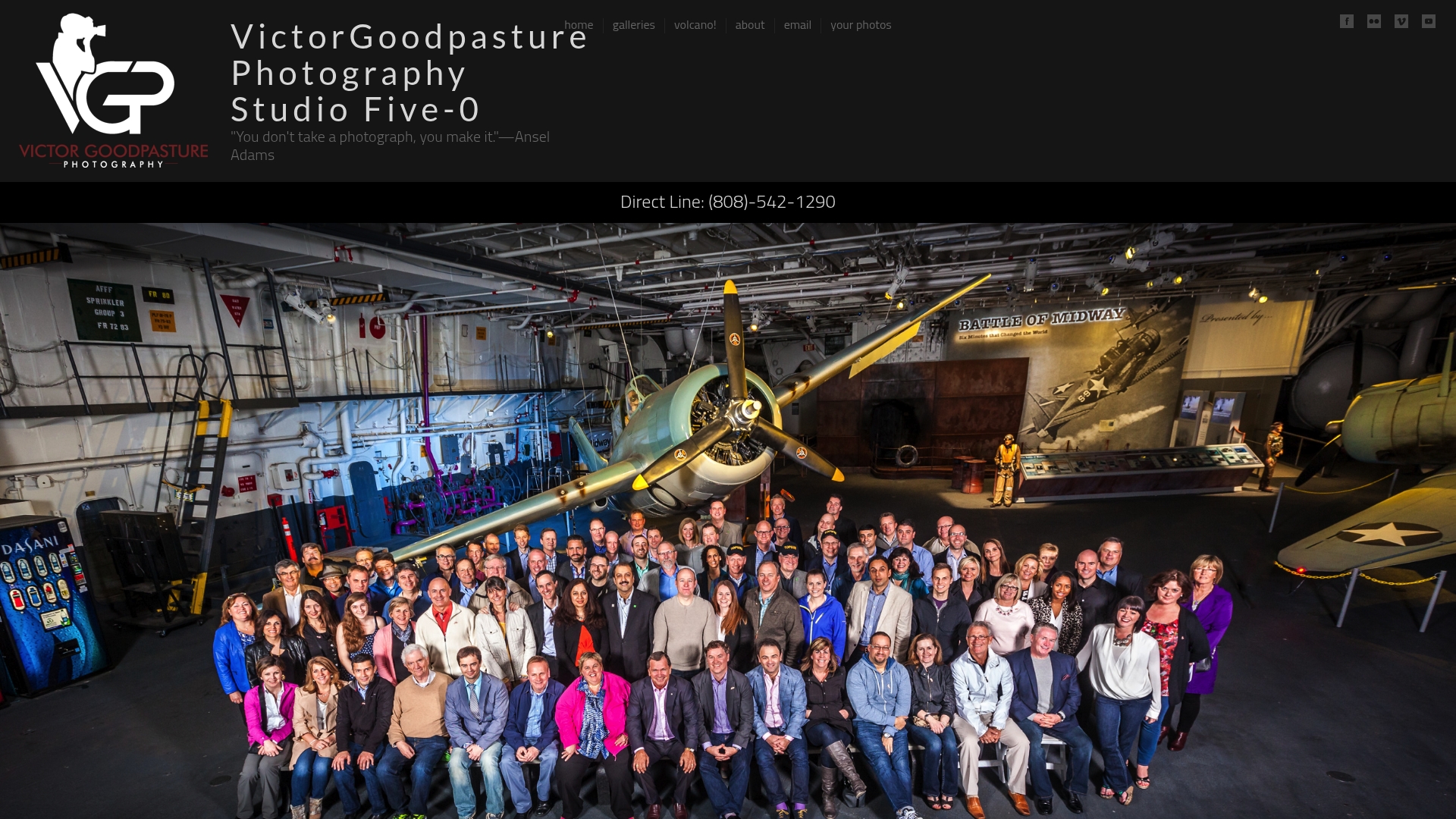
    Product Screenshot

    At a Glance

    The site currently returns a 502 Bad Gateway error and is Website Inaccessible. Because the public pages cannot be reached, there is no reliable way to verify services, portfolio samples, or contact details at this time.

    A straightforward bottom line: you cannot evaluate or book this provider until the site is restored.

    Core Features

    No core features are available for review because the site cannot be accessed. The data source explicitly lists No features available entries and provides no alternative documentation or descriptions.

    Without site access there is no way to confirm package levels, delivery times, equipment lists, or any technical capabilities that matter to couples and families booking photography on Oahu.

    Pros

    • No pros available due to website inaccessibility. This entry reflects that the data source contains no positive feature descriptions.

    • No pros available due to website inaccessibility. No public portfolio or client examples are available to assess quality or style.

    • No pros available due to website inaccessibility. There is no evidence of turnaround times or proof of responsiveness.

    • No pros available due to website inaccessibility. The provider has no listed packages or pricing for direct comparison.

    • No pros available due to website inaccessibility. No client testimonials or case studies are accessible for verification.

    Cons

    • No cons available due to website inaccessibility. The entry in the data source states there is no accessible content to evaluate drawbacks.

    • No cons available due to website inaccessibility. It is not possible to confirm availability, insurance, or professional credentials.

    • No cons available due to website inaccessibility. Potential clients cannot verify location coverage or travel policies.

    Who It’s For

    No user profile information available due to website inaccessibility. The dataset provides no details about ideal clients, event types served, or target markets on Oahu.

    Until the site is live, couples and local families cannot determine whether this provider matches their needs for weddings, elopements, family portraits, or corporate events.

    Unique Value Proposition

    No unique value proposition available due to website inaccessibility. The source data contains no claim about what sets this provider apart from other Oahu photographers.

    Because that information is missing, potential clients should treat this listing as unverified until the site returns.

    Real World Use Case

    No real-world use case available due to website inaccessibility. The supplied record includes no example shoots, packages used for events, or client outcomes.

    Pricing

    No pricing information available due to website inaccessibility. The dataset contains a single line stating that pricing cannot be retrieved while the site is down.

    Website: https://www.pdimaging.com

    Photography Service Comparison

    The table below provides an overview of photography services discussed in the article, enabling readers to compare features, expertise, and suitability for their specific needs.

    Provider Specializations Unique Features Pros Pricing
    Creative Media Production LLC Event photography and videography, photo booth rentals Tailored planning, fast delivery Experienced photographers, wide service range, local expertise Pricing provided upon request
    Jenna Lee Pictures Cinematic wedding photography and videography Drone and Super 8 film capture Dramatic backdrops, strong testimonials, comprehensive packages Pricing provided upon request
    Pacific Dream Photography Resort and destination photography Photography across multiple islands Story-driven approach, wide service range, resort-savvy Pricing provided upon request
    Keoni Michael Fine art wedding photography Natural guidance for candid moments Hands-on guidance, diverse portfolio, experienced photographer Pricing provided upon request
    Megan Moura Photography Documentary-style wedding and portrait photography Legacy-focused storytelling approach Experienced photographer, versatile services, recognized quality Pricing provided upon request

    Find Trustworthy Photography Services on Oahu with Creative Media Production

    Choosing the right photography partner for your special event on Oahu can feel overwhelming, especially when looking for story-driven, authentic coverage that fits your unique needs. Many alternatives may lack local expertise or prompt delivery, which are crucial for capturing moments that last a lifetime. If you want professional photographers and videographers with over 15 years of experience who understand Honolulu, Waikiki, Kailua, and surrounding areas, Creative Media Production offers reliable solutions tailored just for you.
    https://creativemediaprod.com

    Discover how our personalized planning and fast turnaround times create meaningful visual stories for weddings, corporate events, birthdays, and more. Don’t risk your memories with inexperienced providers. Visit Creative Media Production now to request your custom quote and secure your date for expert event coverage.

    Frequently Asked Questions

    What are the top alternatives to photographyinoahu.com for photography services?

    Several alternatives to photographyinoahu.com offer various photography services, including event and portrait photography. Research each option for their specific offerings to find one that matches your needs.

    How can I compare the photography styles of different services?

    To compare photography styles, review each provider’s portfolio. Look for consistency in their work and how well they capture emotions and moments that resonate with your vision.

    What factors should I consider when selecting an alternative photography service?

    Consider factors such as experience, pricing, available packages, and client reviews when selecting a photography service. Make a list of these criteria to help you narrow down your options more efficiently.

    How do pricing structures typically vary among photography services?

    Pricing structures can vary significantly among photography services based on factors like experience, location, and service offerings. Request quotes from multiple providers to get a clear understanding of the cost differences and find a package that fits your budget.

    Can I customize photography packages to suit my event needs?

    Yes, many photography services allow customization of their packages to better fit the specifics of your event. When contacting providers, outline your requirements to see how they can accommodate your needs within their offerings.

    How soon should I book a photography service for my event?

    It’s advisable to book a photography service at least six months in advance, especially for popular dates. This ensures availability and gives you time to discuss and finalize the details of your shoot.

  • Streamline your birthday event photography workflow

    Streamline your birthday event photography workflow


    TL;DR:

    • Most Oahu families end parties with blurry, poorly lit photos because they lack a clear workflow and preparation. Proper planning, equipment checks, and real-time quality reviews enable photographers to capture stunning memories regardless of venue or conditions. Flexibility and adaptability are key to consistently producing professional-quality birthday images on Oahu.

    Most Oahu families walk away from a birthday party with a phone full of blurry, poorly lit snapshots and zero images they’d actually frame on the wall. The real problem isn’t talent or equipment. It’s the absence of a clear workflow before, during, and after the event. When you show up unprepared to a beach party in Kailua or an indoor celebration in Honolulu, the chaos of the moment swallows every carefully imagined shot. This guide walks you through the exact preparation, execution, and verification steps that professional photographers use to deliver stunning birthday memories every single time, no matter the venue or party size.

    Table of Contents

    Key Takeaways

    Point Details
    Preparation is key Having the right gear and a clear shot list minimizes stress and missed moments.
    Workflow matters Following a consistent step-by-step process leads to better birthday event coverage.
    Lighting makes the difference Even, flattering light ensures every group photo looks professional and memorable.
    Verify as you go Test shots and quick reviews during the event prevent unhappy surprises later.
    Expertise brings peace of mind Hiring an experienced event photographer can guarantee the best results for Oahu families.

    Gather your tools and prepare for the shoot

    With the stakes clear, the next step is gathering exactly what you need to ensure flawless birthday photography. Preparation is where good results are built. Everything that happens on the day of the party is simply a reflection of how well you prepared the day before.

    Essential gear checklist

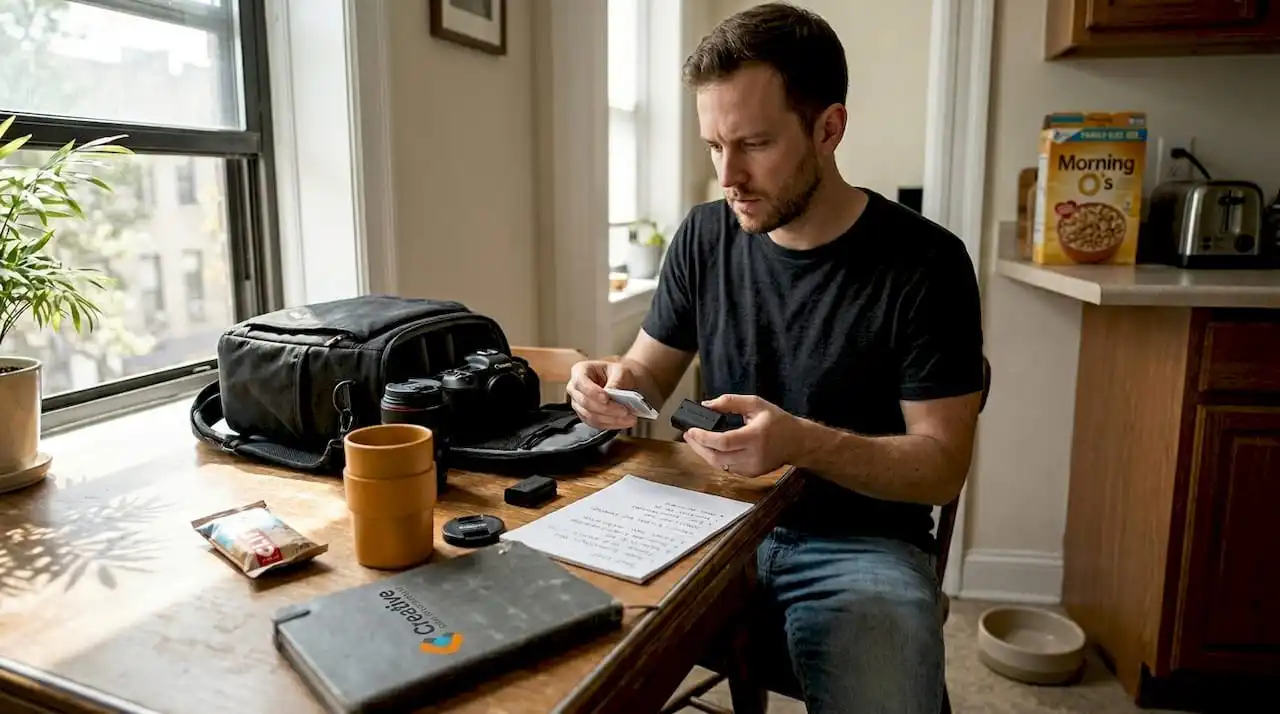
    Start with the fundamentals. You need a reliable camera body, ideally with dual card slots so nothing gets lost if one card fails. Pair it with at least two lenses: a versatile zoom like a 24-70mm for candids and group shots, and a fast prime like a 50mm f/1.8 for low-light moments like candle blowing and cake cutting. Bring a minimum of three fully charged batteries and double your expected card storage.

    Lighting is where most photographers underinvest. For birthday events in Oahu, where you can move from a bright outdoor lanai to a dim indoor venue within minutes, flexibility is everything. A speedlight paired with a shoot-through umbrella or compact octobox gives you control without bulk. SLR Lounge advises even light across a group using a large octobox or shoot-through umbrella in open shade or overcast conditions, and bounce or controlled strobe in direct sun, followed by a test shot to check histogram and frame edges before finalizing. This approach keeps faces evenly lit regardless of the outdoor conditions Oahu regularly throws at you.

    Understanding event photography terms like “fill flash,” “catch light,” and “exposure triangle” helps you communicate with a hired photographer and understand what they’re adjusting on the fly.

    Building a shot list that actually works

    A shot list is one of the most underrated tools in event photography. Without one, you rely entirely on memory during a noisy, fast-moving party, and memory fails. With one, you have a roadmap. Refer to a solid event shot list guide to build yours before the day arrives.

    Here are the core categories to include:

    • Venue establishing shots (exterior, decorations, table details)
    • Arrival and greeting moments
    • Candid interactions between guests
    • Birthday person with immediate family
    • Group portraits by family unit, then full group
    • Cake presentation and candle moment
    • Gift opening reactions
    • Departure and farewell hugs

    Pro Tip: Print your shot list and attach it to a small clipboard or laminate it. Party environments are loud and frantic. Scrolling your phone between shots burns time and mental energy you need for capturing moments.

    Gear item Minimum quantity Why it matters
    Camera body 1 (2 recommended) Backup for technical failures
    Batteries 3 Events often run longer than expected
    Memory cards 4 (32GB min each) Redundancy prevents data loss
    Speedlight 1 Flexible fill and key light
    Light modifier 1 umbrella or octobox Even, flattering light on groups
    Lens options 2 (zoom + prime) Coverage flexibility

    Step-by-step workflow for birthday event coverage

    Once prepared, executing an organized workflow makes all the difference on party day. Think of the workflow as your invisible director. It keeps you moving through the event with purpose instead of wandering and hoping something good happens.

    The full coverage sequence

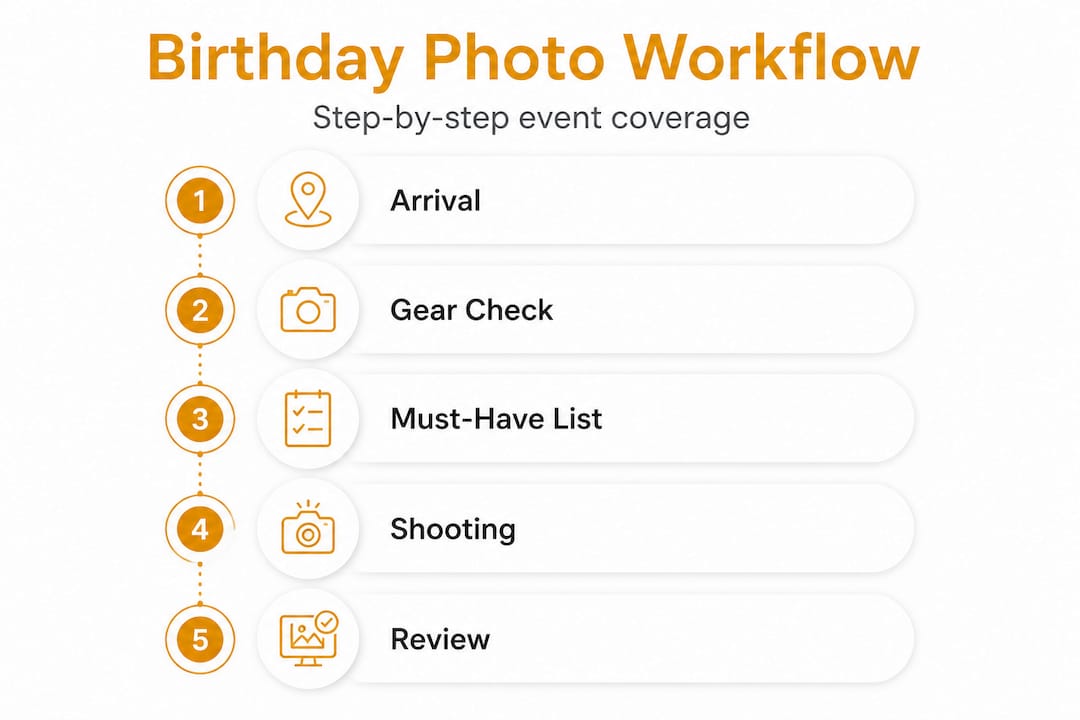
    1. Arrive 30 to 45 minutes early. Walk the venue, identify the best natural light sources, set up and test your lighting, and introduce yourself to the family. This is your only chance to prepare without guests watching.
    2. Scout for backgrounds. Look for clean walls, garden areas, or water features that work for portraits. Note where direct sun hits during the event window, especially critical for outdoor Oahu venues.
    3. Capture detail shots before guests arrive. Balloons, place settings, the cake table, and birthday signage look their best before the crowd fills the space.
    4. Greet guests as they arrive. These candid entrance moments are often overlooked and deeply treasured by families later.
    5. Work the room during open socializing. Shoot candids, close-up expressions, and small group interactions. This middle section of the event is richest for authentic emotion.
    6. Coordinate and shoot group portraits. Position the family, set your lighting, take a test shot, review the histogram and frame edges, then capture the formal groups.
    7. Be ready for cake time. This is a non-negotiable moment. Position yourself for a clean shot of the candles being blown out. Shoot in burst mode.
    8. Capture the final group farewell. A closing group image with the birthday person gives the photo set a complete narrative arc.

    Following essential birthday party photography steps like these transforms a reactive shooting style into a proactive one. Proper photoshoot planning tips can measurably improve your final image count and quality.

    Infographic showing birthday event photography workflow steps

    Pro Tip: For group portraits, designate a family member as your “wrangler.” Their job is gathering people and getting everyone’s attention. This cuts setup time from several minutes down to under a minute.

    Workflow stage Standard approach Advanced approach
    Arrival Show up at event start Arrive 30-45 min early for setup and scout
    Detail shots Captured during event Shot before guests arrive for clean images
    Group portraits One attempt near the end Multiple setups throughout the event
    Lighting check Set and forget Test shot plus histogram review every location
    Cake/candles Single shot Burst mode plus secondary angle
    In-camera review After the event Quick checks throughout to catch errors early

    Mastering group portraits: Lighting, posing, and testing

    With the sequence mapped out, now focus on those group portraits that will define the birthday memory album. Group photos are the images families request most, hang on walls, and share for years. Getting them right matters more than almost anything else you do at the event.

    Photographer testing light for group birthday photo

    Lighting placement for groups

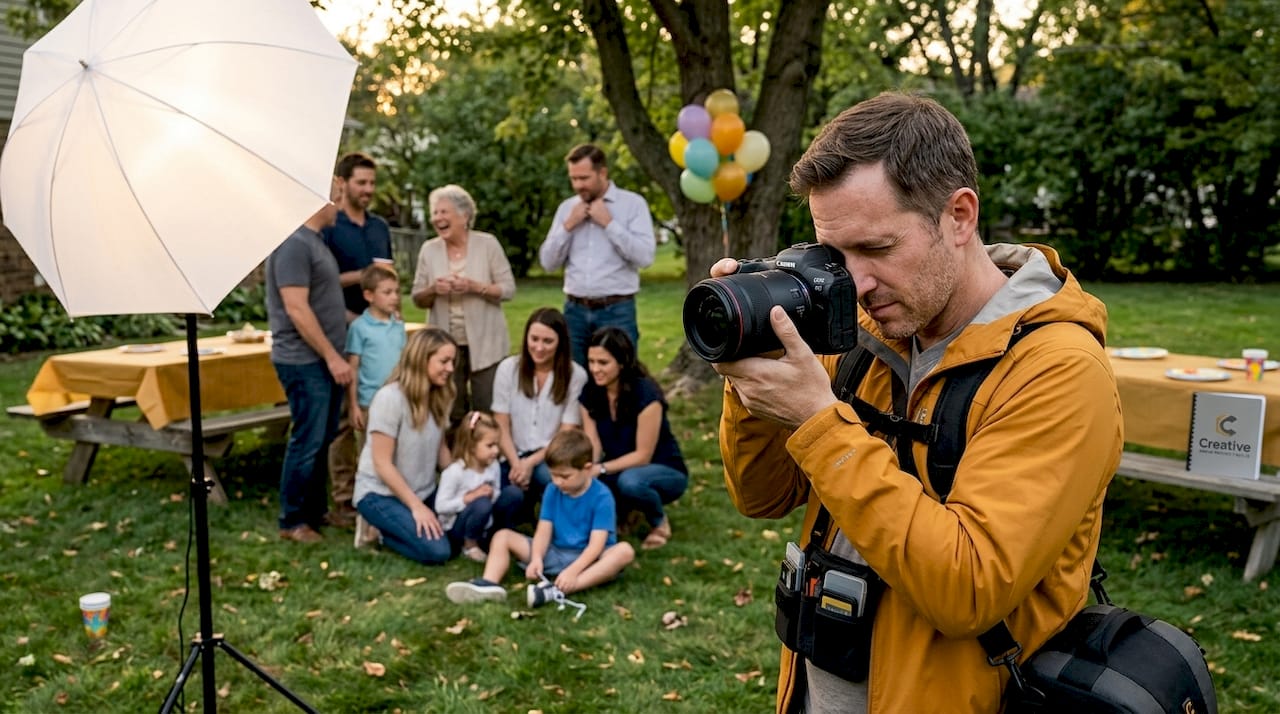
    The biggest challenge with group photos is getting even, flattering light across every face. One person standing in a shadow while another is overexposed ruins an otherwise perfect composition. Whether you’re shooting inside a Honolulu restaurant or under a canopy at a beachside Kailua party, the principle is the same: large, soft light sources spread more evenly than small, harsh ones.

    “The goal with group portrait lighting is simple: no harsh shadows on faces, no blown highlights, and everyone in the frame looking natural. A large modifier like an octobox or shoot-through umbrella does the heavy lifting for you.” Using even light across groups via a large modifier, combined with a test shot and histogram check, is how professionals consistently deliver clean results.

    For outdoor Oahu events in direct sun, overpowering the ambient light with a strobe set to a higher output gives you control over shadows. Open shade or overcast skies are ideal and require less power. Always review low light event photo tips for indoor birthday venue situations where natural light disappears quickly after sunset.

    Posing tips for family and friend groups

    • Stagger heights by having some people stand, some seated, and children in front
    • Angle bodies slightly rather than having everyone face the camera dead-on
    • Ask everyone to lean in slightly toward the center of the group
    • Keep the tallest people in the back and center to avoid blocking others
    • Have the birthday person positioned clearly in the center or foreground
    • Call for a genuine laugh by saying something unexpected right before you shoot

    The test shot and histogram check

    This step separates experienced photographers from everyone else. Before locking in your group photo, take one test frame and immediately review the histogram on your camera’s LCD. A histogram bunched to the left means underexposed faces. Spiking hard to the right means blown-out highlights. You want a gentle bell curve, or a curve shifted slightly right for bright outdoor scenes. Also scan the frame edges for cut-off arms, stray objects, or distracting backgrounds. Fix these before shooting your final frames.

    Avoid common pitfalls and ensure quality results

    Skillful group shooting is only perfect if you also protect yourself from classic mistakes and do real-time quality checks. Even experienced photographers get tripped up by predictable, avoidable errors.

    Top mistakes to watch for

    1. Underexposed faces: The most common flaw in birthday party photos. Usually caused by metering off a bright background instead of the subjects.
    2. Missing the candle moment: Happens when photographers aren’t in position before the cake arrives. Coordinate with a family member to give you a 5-minute heads-up.
    3. Distracting backgrounds: Trash cans, open kitchen doors, and messy tables sneak into frames when you’re moving fast. Train yourself to scan backgrounds before every shot.
    4. Only shooting from standing height: Getting low for children’s candids and high for overhead group shots adds variety and energy to the full gallery.
    5. Not reviewing images during the event: Catching a focus issue or lighting problem at minute 30 means you can reshoot. Catching it at minute 120 means the moment is gone.

    Real-time quality review process

    Every 20 to 30 minutes, pause for 60 seconds and scroll through your recent images. Check sharpness on faces, confirm your exposure is consistent, and verify that key moments like the birthday person laughing or opening gifts are actually captured. Confirming with a test shot and histogram/edge check is the professional standard, and applying it continuously keeps your results consistent from the first frame to the last.

    Following a clear event photography planning guide reinforces these habits and helps you build your own pre-event checklist over time.

    Pro Tip: For every must-have moment like the candle blow-out or first slice of cake, take at least three separate frames. Not burst mode bursts. Three deliberate, composed shots from slightly different angles. This gives you real options in editing instead of 40 nearly identical frames.

    Our expert perspective: What most birthday event guides miss

    Most photography guides focus heavily on gear lists and technical settings. After 15-plus years of shooting birthday events across Oahu, from backyard luau parties in Kaneohe to rooftop celebrations in Waikiki, the biggest difference-maker isn’t gear. It’s adaptability.

    Oahu’s weather does exactly what it wants. A beautiful morning at a Kailua beach venue can turn into dramatic overcast skies by noon, flipping your entire outdoor lighting plan. The photographers who consistently deliver stunning results are the ones who treat their original plan as a starting point, not a contract. They read the light as it changes and adjust modifiers, angles, and positions accordingly.

    We had an event at a private estate near Diamond Head where a pop-up shower arrived just as we were setting up for the main family portrait. Rather than freezing or waiting it out, we moved everyone under a covered lanai, repositioned the octobox for the reduced space, and produced the most intimate, beautiful group photos of the entire set. The family still talks about those images.

    The truth is that test shots and histogram checks aren’t just technical habits. They create confidence. When a photographer takes a test frame, reviews it quickly, and nods with assurance before gathering the full group, the family relaxes. They trust the process. That trust changes facial expressions, loosens body language, and produces more natural images.

    Families should always communicate their must-have moments before the event, not during. A quick conversation or written list shared with the photographer before they arrive is worth more than any gear upgrade. Explore Oahu event photography portfolio tips to understand what to look for when evaluating a photographer’s readiness for your specific event.

    Ready to capture every birthday memory? Expert help in Oahu

    You now have the full framework: the gear, the workflow, the lighting techniques, and the quality checks that turn a birthday party into a beautifully documented memory. Knowing the steps is valuable. Having a professional execute them for you is effortless.

    https://creativemediaprod.com

    Our team at Creative Media Productions has covered event photography types ranging from intimate first birthday celebrations to large milestone parties across Honolulu, Waikiki, Kailua, and Kaneohe. We bring the workflow, the equipment, and the local knowledge to every booking. If you’re planning a birthday event on Oahu and want photos your family will genuinely treasure, connect with your Oahu event photographer today to check availability and start planning your coverage.

    Frequently asked questions

    What lighting setup works best for indoor birthday groups?

    For indoor group portraits, a large shoot-through umbrella or octobox spreads even, flattering light across all faces without harsh shadows. SLR Lounge recommends this approach along with a test shot and histogram check to confirm exposure before shooting the full group.

    How do I make sure everyone looks good in the birthday group photo?

    Position your group thoughtfully with staggered heights, take a deliberate test shot, and review the histogram to confirm no faces are underexposed or cut off at the edges. Test shots and histogram review are the simplest way to guarantee consistent, quality group results.

    What’s the most common mistake for birthday event photography?

    Missing the candle blow-out moment and having underexposed faces are the two most frequent failures, both of which come from lack of positioning and lighting checks. Confirming exposure with a histogram check during setup prevents these from happening in the first place.

    Can I use a smartphone for group birthday photos if no pro camera is available?

    A smartphone can work well in good, even natural light, but pairing it with a portable LED panel and applying group posing tips gives noticeably better results in challenging indoor or mixed-light conditions.

    How early should the photographer arrive at the event?

    Arriving at least 30 to 45 minutes before guests show up allows time to scout the venue, set up and test lighting, capture clean detail shots, and handle any unexpected setup challenges without rushing.

  • Master lighting for stunning wedding and event videos

    Master lighting for stunning wedding and event videos


    TL;DR:

    • Proper lighting is essential for high-quality wedding and event videos, as it shapes mood, flatters subjects, and adds depth. Careful pre-planning and adaptive techniques, like three-point lighting and bounce setup, help overcome challenging conditions and preserve venue ambiance, ensuring cinematic results. Experienced videographers on Oahu tailor lighting plans to each venue, balancing natural and supplemental light for truly memorable footage.

    Lighting is the invisible hand shaping every frame of your wedding or event video. Most couples and event planners focus on venues, florals, and timelines, then assume the videographer will figure out the rest on arrival. But here is the truth: even the most skilled videographer cannot fully compensate for bad lighting after the fact. The right lighting decisions, made before and during your event, determine whether your video looks like a cinematic memory worth watching forever or a muddy, shadowed recording you rarely revisit.

    Table of Contents

    Key Takeaways

    Point Details
    Lighting shapes emotion Thoughtful lighting sets the mood and atmosphere for event videos.
    Three-point setup basics Using key, fill, and backlight ensures depth and flattering coverage.
    Practical wedding techniques Bounce, layering, and color management prevent harsh shadows and color clashes.
    Expert advice matters Portable LEDs and diffusion panels enable flattering results in unpredictable venues.
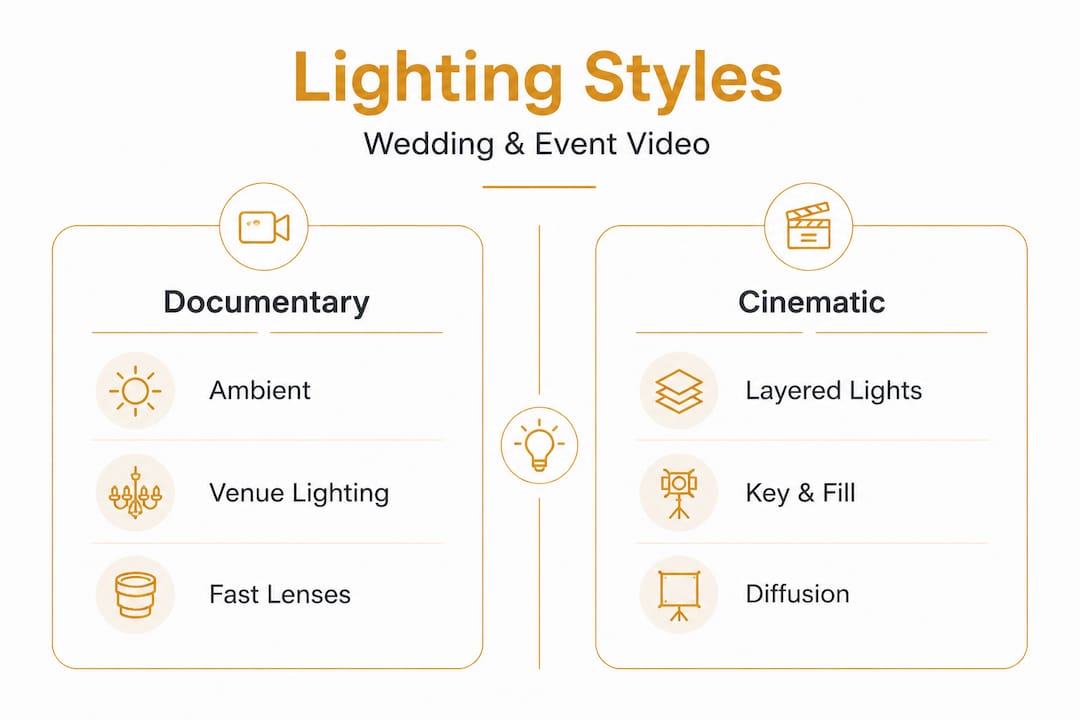
    Choose your lighting style Documentary and cinematic approaches offer distinct benefits, but balance is key.

    Why lighting matters in wedding and event videography

    Ask anyone who has watched a professionally lit wedding video versus one shot under basic venue lighting, and they will immediately notice the difference, even if they cannot name it. Lighting shapes the emotional tone of every scene. A warm, softly lit ceremony feels intimate and romantic. A harshly lit reception looks flat and unflattering. These are not subtle differences. They hit viewers at an emotional level before a single word is spoken.

    Beyond mood, lighting directly affects how people look on camera. Unflattering overhead lights cast shadows under the eyes and chin, making even the most radiant couple look tired. Well-placed light sources lift faces, even out skin tones, and bring a natural glow that makes everyone look their best. Depth and separation from backgrounds also improve dramatically with proper lighting, giving your video a layered, professional look rather than a flat snapshot feel.

    As lighting techniques for wedding receptions confirm, lighting is essential in videography for setting mood, flattering subjects, adding depth, and adapting to challenging conditions in weddings and events. This is not just theory. It is a practical reality that every experienced videographer navigates at every event.

    Lighting challenges that couples and planners should know about include:

    • Uneven venue lighting with bright spots and dark corners
    • Mixed color temperatures from candles, string lights, and LED fixtures
    • Low ambient light during evening receptions
    • Outdoor events with rapidly shifting sun angles and cloud cover
    • High-contrast situations like candlelit ceremonies next to bright windows

    Understanding these challenges up front helps you have smarter conversations with your videographer. And for anyone wanting to dig deeper into shooting in difficult conditions, low light event photography tips offer a strong starting point.

    “Good lighting is not about having the most gear. It is about understanding how light behaves in each specific space and using that knowledge to guide your setup.”

    Core lighting techniques: Three-point setup explained

    The foundation of professional video lighting is called three-point lighting. This setup uses three distinct light sources placed strategically around the subject to control shadows, depth, and dimension. It sounds technical, but once you understand what each light does, you will see why it works so well for weddings and celebrations.

    Here is how the three-point setup breaks down:

    1. Key light: The primary and strongest light source, placed at roughly a 45-degree angle to the subject. It illuminates the main features of the subject’s face and body. A common starting ratio is 2:1 between key and fill light, meaning the key light is twice as bright.
    2. Fill light: Placed on the opposite side from the key light, the fill light is softer and dimmer. Its job is to reduce the harsh shadows created by the key light without eliminating all shadow entirely, which would look flat and unnatural.
    3. Backlight (also called rim light): Positioned behind and above the subject, the backlight separates the subject from the background. It creates a subtle glow or halo effect that adds visual depth and prevents the subject from blending into the background.

    This three-point lighting setup is the standard method used across professional film, television, and event videography. It works because it mimics how natural directional light behaves while giving you full control over the result.

    Light type Position Brightness Purpose
    Key light 45 degrees to subject Brightest (2:1 ratio) Primary illumination
    Fill light Opposite key Softer, dimmer Reduce harsh shadows
    Backlight Behind, above Subtle Separation and depth

    Pro Tip: At events where subjects are constantly moving, like during a first dance or reception mingling, anchor your key light at a wider angle and raise it slightly. This wider spread reduces the chance of a subject moving out of the light zone and into sudden shadow.

    For events on Oahu, where venues range from open-air beachside settings to intimate ballrooms, this setup must be adapted to the space. Our team at event videography services builds custom lighting plans for each venue before the event day begins.

    Practical lighting strategies for weddings and celebrations

    Knowing the theory is one thing. Applying it on an actual wedding day, with a timeline, moving guests, and varying conditions, is where the real skill shows. Several practical techniques consistently produce beautiful results.

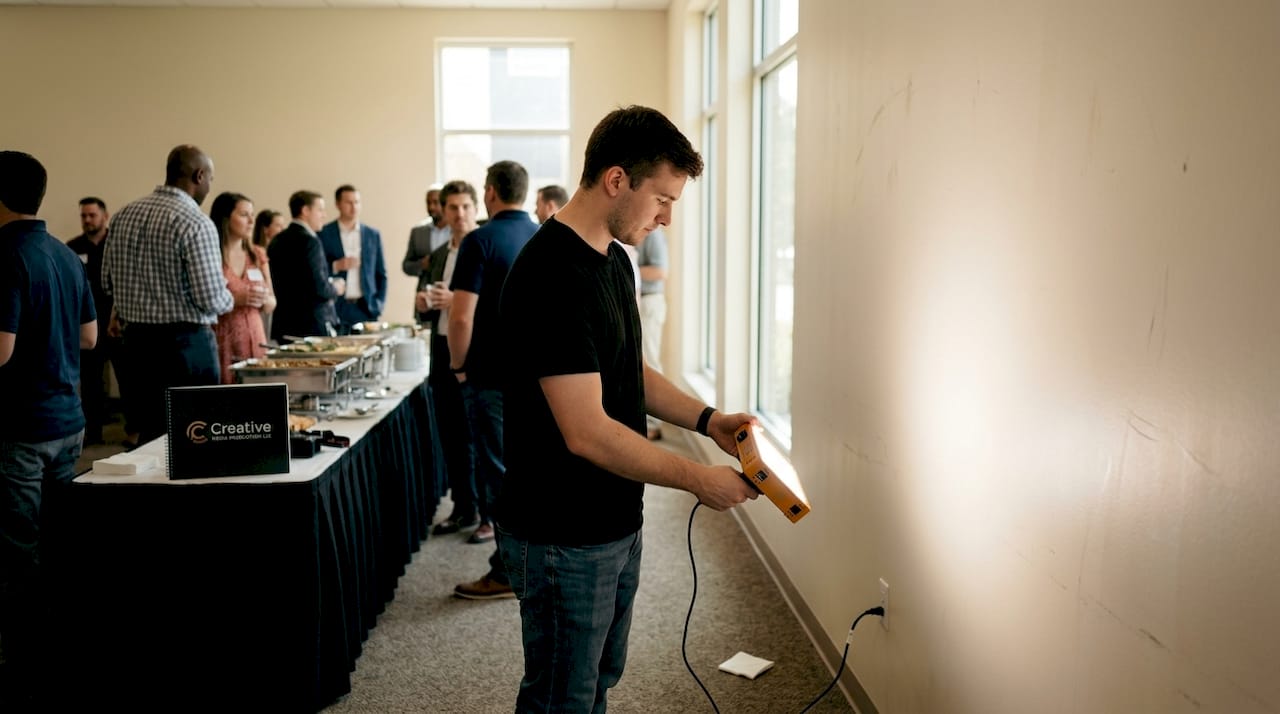
    Bounce lighting is one of the most effective and least invasive methods. Instead of pointing a light directly at a subject, you aim it at a nearby white wall or ceiling, and the light bounces back as soft, diffuse illumination. This technique works especially well in smaller reception venues and banquet halls where walls and ceilings are close enough to reflect light back effectively.

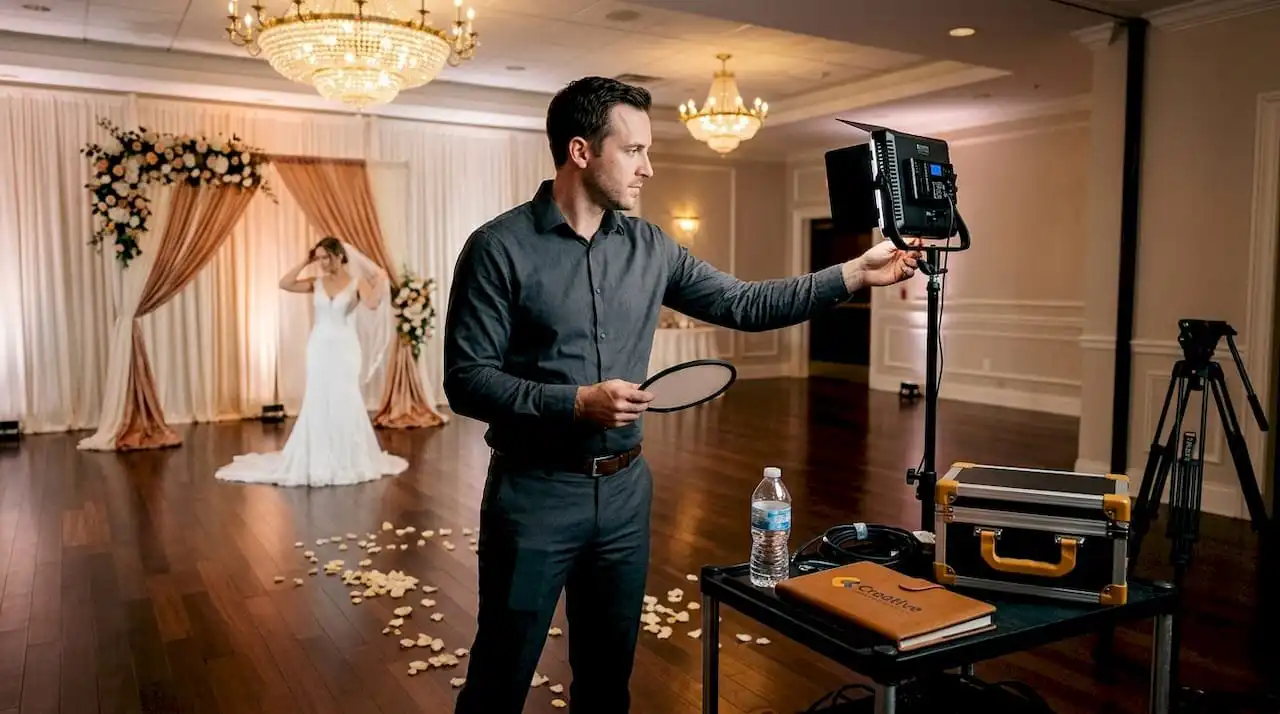
    Assistant using bounce lighting for wedding video

    LED panels have become the go-to tool for reception coverage. They are lightweight, dimmable, and produce consistent fill light without the heat or power demands of older tungsten setups. You can master wedding videography lighting by combining LED panels as fill lights with the venue’s existing ambient light as a creative base.

    Avoiding direct flash is critical. Direct flash creates flat, washed-out images with harsh shadows behind the subject. It also disrupts guests and can ruin the romantic atmosphere a couple worked hard to create. Soft, indirect, and layered light sources are always preferable.

    Strategy Best use case Pros Cons
    Bounce lighting Indoor venues with light walls Natural, soft, unobtrusive Limited range, surface dependent
    Direct LED panel Low-light receptions Consistent, portable Can look harsh without diffusion
    Diffused LED with softbox Portraits and close ceremonies Extremely flattering Requires setup time
    Ambient layering Documentary-style events Authentic feel Less control over exposure

    Pro Tip: Before your event day, ask your venue what color temperature their lighting runs at. Most venues use warm tungsten-style bulbs around 2700K to 3200K. If your videographer brings LED gear calibrated to daylight at 5600K, colors will clash badly in the footage. Match your gear to the venue’s baseline color temperature to keep skin tones accurate and consistent.

    Spotlighting key areas like the dance floor, cake table, and ceremony arch is also worth discussing in advance. These are moments that need visual weight in your video. If they are buried in shadows, even great editing cannot fully rescue the footage. Couples should ask the venue coordinator and their videographer about planned light positioning for these specific moments. More helpful guidance is available in our step by step event videography resource, and if you are still weighing your options, reviewing wedding videographer questions before your consultation can help.

    Expert tips: Make lighting flatter subjects and enhance ambience

    The difference between lighting that looks “fine” and lighting that genuinely flatters every person in the room comes down to quality of light, specifically, whether it is soft or hard.

    Soft light wraps around faces gently, minimizing pores, smoothing skin texture, and creating gradual shadow transitions. It is the most universally flattering type of light for weddings and celebrations. Soft light typically comes from large, diffused sources like softboxes, bounce panels, or open shade outdoors.

    Hard light is the opposite. It comes from small, undiffused sources and creates sharp, defined shadows. While hard light can be used deliberately for dramatic or editorial effects, it is rarely flattering for candid celebration coverage. It tends to exaggerate texture and emphasize anything the subject might prefer to hide.

    As wedding videography fundamentals confirm, soft lighting flatters skin, hard light suits dramatic looks, and portable battery-powered LEDs with diffusion panels or softboxes are the preferred tools for events.

    Key expert techniques to know:

    • Use diffusion panels (thin white fabric in front of LED lights) to immediately convert hard light to soft light without replacing any gear
    • Battery-powered portable LEDs allow videographers to move freely through a reception without hunting for power outlets
    • Position lights slightly above eye level and angled downward to mimic natural window light, which is the most flattering angle for faces
    • Avoid placing lights directly to the side at the same level as the subject, which creates a split-lighting effect that is dramatic but rarely appropriate for celebrations

    “The goal at any event is to illuminate the story, not the gear. The best lighting setup is the one guests never notice but everyone admires when they watch the video back.”

    Subjects who feel confident on camera also tend to look better on camera. Understanding poses that flatter every body type is a related principle, and the same philosophy applies to how lighting supports natural movement and expression. When you are wondering whether video or photos take priority for your wedding, the resource on photography or video for weddings breaks it down in practical terms.

    Natural vs supplemental lighting: Finding your style

    Not every couple wants the same look. Some dream of a raw, documentary-style video that captures the authentic atmosphere of their venue. Others want a polished, cinematic production with deliberate layering and visual drama. Understanding the difference helps you communicate clearly with your videographer before the event.

    Documentary style leans heavily on available venue lighting. The videographer works with what is there, using fast lenses and high-sensitivity camera settings to expose properly in low light. The result feels immersive and real. You see the candles flickering. You feel the warmth of the string lights. This approach is less intrusive but also less controllable.

    Cinematic style uses designed and layered supplemental lighting. The videographer introduces key lights, fill lights, and backlights to shape every scene. The result looks rich and intentional, with beautiful skin tones and depth that venue lighting alone cannot provide.

    Infographic comparing documentary and cinematic lighting

    Style Lighting approach Best for Trade-off
    Documentary Primarily ambient and venue Intimate, low-key events Less control, potential grain
    Cinematic Layered supplemental setup Statement weddings, formal events More gear, setup time needed
    Hybrid Ambient base with minimal supplement Most events and venues Requires experienced judgment

    As contrasting lighting approaches show, the real key is balance. Overpowering a venue’s natural ambiance with aggressive supplemental lighting destroys the atmosphere a couple carefully designed. The best videographers blend both approaches to preserve mood while ensuring technical quality.

    For couples planning events across Oahu’s diverse venue landscape, from beachfront settings in Kailua to ballrooms in Waikiki, the hybrid approach often delivers the most consistent results. Exploring creative event photography ideas offers additional inspiration for how lighting and creativity work together at real Oahu events.

    Local wisdom: What years of Oahu event videography taught us

    Here is the part that most lighting guides skip entirely: perfect lighting on paper often meets reality the hard way at an actual event. After years of shooting weddings and celebrations across Oahu, from sunset beach ceremonies to evening receptions in downtown Honolulu, a few hard-won lessons stand above everything else.

    First, flexibility is not optional. Hawaii’s weather is famously unpredictable. A ceremony planned in soft golden hour light can shift to overcast conditions within minutes. Outdoor receptions that look beautifully lit during the planning walkthrough feel completely different once 150 guests fill the space and block ambient light paths. Experienced videographers build contingency plans for every lighting scenario, not just the ideal one.

    Second, anticipating movement matters far more than achieving a “perfect” static light setup. Most lighting guides show diagrams with a subject standing perfectly still in a studio. Weddings do not work that way. Subjects move, dance, hug, and cry in unexpected directions. As reception videography guidance reinforces, angling lights broader to reduce shadows during movement, using gels to match venue color temperature, and relying on portable gear like LEDs and monopods is the practical standard for events. Post-production can help but controlling light on set minimizes the fixes you will need later.

    Third, and this is the lesson most couples never hear until it is too late: preserving the venue’s ambient look is just as important as exposure. We have seen videographers overlight receptions to the point where the romantic candlelit atmosphere the couple paid for completely disappears from the video. Bright, technically correct footage that looks nothing like the actual room is a failure, not a success. The best videographers treat the venue’s existing light as a collaborator, not an obstacle, and bring in supplemental gear only to fill gaps.

    Quick practical fix we use regularly: color correction gels placed over portable LEDs to match the amber warmth of indoor reception lighting. This allows us to add controlled fill light without introducing a jarring cold tone that screams “camera crew.”

    For anyone planning their videography timeline and vendor selection, booking event videography covers the most important steps in the process.

    Enhance your event videography with expert Oahu lighting solutions

    Lighting transforms good footage into unforgettable visual stories, and that work starts long before your event day. If you want your wedding or celebration video to genuinely reflect the beauty, emotion, and atmosphere of your event, it takes a team with both technical skill and deep local experience.

    https://creativemediaprod.com

    Creative Media Productions brings over 15 years of professional experience to weddings, receptions, birthdays, and corporate events across Oahu, including Honolulu, Waikiki, Kailua, and surrounding areas. Our event videography services include personalized lighting planning tailored to your venue and vision. Whether you are looking for a trusted event photographer in Oahu or trying to decide between photo and video coverage, our team can help you make the right call. Explore your options at wedding photography or video and reach out to schedule a no-pressure consultation.

    Frequently asked questions

    What is the best type of lighting for outdoor wedding videography in Oahu?

    Soft natural light is ideal for outdoor ceremonies, supplemented with portable LEDs and diffusion panels for balanced, flattering coverage when conditions shift.

    How do you avoid harsh shadows in wedding and event videos?

    Use fill light, diffusion panels, and bounce lighting techniques to soften shadows and reduce harshness on subjects throughout the event.

    Is venue lighting enough for professional-looking videos?

    Venue lighting alone rarely delivers flattering, cinematic results. Professional setups add depth and reduce problem shadows that venue fixtures cannot address on their own.

    What is the difference between documentary and cinematic lighting styles?

    Documentary style uses minimal supplemental lighting to emphasize venue ambiance, while cinematic style layers lights for drama, depth, and polished visual impact.

    Should lighting be adjusted throughout the event?

    Yes, as ambient conditions change from ceremony to reception and evening, professional videographers adapt lighting on the fly to maintain consistent quality throughout the entire event.

  • Corporate Event Photo Usage Rights Explained

    Corporate Event Photo Usage Rights Explained

    The photos from your company event look excellent, the team loves them, and marketing wants to post them by noon. Then someone asks a question that should have come up before the event: are we actually allowed to use these images in ads, social posts, recruiting materials, or future campaigns? That is where corporate event photo usage rights explained becomes more than a legal detail. It becomes a planning issue, a brand issue, and sometimes a budget issue.

    For corporate teams, photo rights are not just about who gets a gallery. They determine how far those images can go after the event ends. If you are organizing a conference, awards dinner, product launch, or company celebration on Oahu, clear usage terms help you avoid delays, awkward approvals, and unexpected licensing fees.

    What photo usage rights actually mean

    In simple terms, photo usage rights describe how a client is allowed to use images after they are delivered. Many people assume that paying for photography means owning the photos outright. Usually, that is not how it works.

    In most professional photography agreements, the photographer keeps copyright unless the contract specifically transfers it. The client then receives a license, which is permission to use the images in certain ways. That license may be broad or limited depending on the project.

    For a corporate event, this distinction matters. Your team may need the images for internal newsletters, LinkedIn posts, company websites, press releases, printed brochures, paid advertising, or sponsor recaps. One license may cover all of that, or only some of it. It depends on what is written into the agreement.

    Corporate event photo usage rights explained in plain terms

    The easiest way to think about rights is to separate ownership from permission. Ownership usually stays with the creator. Permission is what the business buys.

    If your company books event coverage and receives a commercial usage license, that often means you can use the photos for business promotion. If the contract limits usage to internal or editorial purposes, then using those same images in an ad campaign may require extra approval.

    This is why experienced event planners ask better questions before booking. They do not just ask how many edited images are included or how fast the turnaround will be. They ask where those images can legally appear once delivered.

    Copyright is not the same as client access

    A downloadable gallery, USB delivery, or shared folder does not automatically grant unrestricted rights. Access to files is not the same thing as a full commercial license. You can have the images in hand and still be limited in how you use them.

    That catches businesses off guard, especially when different departments get involved. HR may want to use event photos for recruiting. Sales may want them in a pitch deck. Marketing may want to crop them into digital ads. If the usage license is narrow, those secondary uses may fall outside the original agreement.

    Licensing can be broad or narrow

    Some licenses are intentionally simple and generous. Others are tightly defined by channel, time period, geography, or campaign type.

    A broad corporate license might allow ongoing use across your website, social media, email marketing, print collateral, and internal communications. A narrow license might allow use only for recap content about that specific event. Neither approach is automatically wrong. The right choice depends on your goals, budget, and how valuable the images will be over time.

    The usage rights questions corporate clients should ask

    Before your event date is locked in, ask what uses are included in the quoted price. That question alone can prevent most misunderstandings.

    You will also want to ask whether the license covers organic social content, paid ads, PR distribution, sponsor materials, and long-term archive use. If your event includes partners, guest speakers, or vendors who may request photos afterward, clarify whether your company can share images with third parties.

    Some photographers allow that freely within reason. Others require third parties to obtain their own license. Again, it depends.

    If your company operates across multiple regions, another useful question is whether the license is limited to one local office or covers the entire organization. A local team may book the event, but the parent brand may later want to use the photos nationally.

    Common scenarios where rights become a problem

    Most usage issues are not dramatic. They are practical. A team simply assumed more was included than the contract allowed.

    One common example is paid advertising. A photographer may be comfortable with website and social media use but treat ad usage as a higher-value commercial application. That can trigger a separate fee.

    Another is sponsor and media sharing. If your event has co-hosts, sponsors, or featured brands, they may expect access to the final gallery. But the photographer’s agreement may license usage only to the client who booked the service.

    A third issue is long-term brand use. A company may want to pull event images into future marketing campaigns months later. If the contract only covers one-time event recap usage, that broader use may require an expanded license.

    Image rights are only part of the picture

    Even when a photographer grants broad usage rights, there can still be other considerations. People appearing in the images may have privacy concerns or internal company policies may limit what can be published.

    For public-facing business use, model releases can matter, especially if recognizable attendees appear in promotional materials. At some corporate events, this is handled through attendee registration language, visible event signage, or internal employee consent procedures. At others, more direct release management may be needed.

    This is especially relevant for events with minors, private VIP guests, healthcare contexts, or sensitive internal meetings. The photo license may be clear, but the subject permissions may still need attention.

    How to match the license to the event

    The smartest approach is to define your likely usage before the event begins. If the photos are mainly for internal morale, company recap posts, and a short press release, a standard commercial usage license may be enough.

    If the event is tied to a major product launch, investor communications, paid media, or a long-term employer branding campaign, say that upfront. A professional photography team can then quote the project with the proper licensing structure from the start.

    That usually creates a smoother experience for everyone. The client knows what is covered. The photographer can price fairly. The marketing team can move fast once the gallery is delivered.

    Why clear contracts protect both sides

    Some businesses hear the phrase usage rights and immediately think restriction. In reality, a strong agreement is what gives everyone confidence.

    For the client, clear terms reduce uncertainty. You know whether your team can publish, distribute, resize, or repurpose the images. For the photographer, clear terms protect creative work from being used in ways that were never discussed or compensated.

    The best contracts are written in plain language, not buried in legal fog. They spell out what is included, what is excluded, and what additional usage would require. That clarity is part of premium service.

    What to look for when booking a corporate event photographer

    Reliable event coverage is about more than showing up on time with the right gear. For business clients, it also means understanding how the final assets will be used after the event.

    A professional team should be able to explain licensing terms clearly, answer commercial usage questions without hesitation, and align deliverables with your company goals. If you need photos for social media, web content, internal communications, and branded promotion, that should be reflected in the proposal, not left to assumption.

    This is where a service-first photography partner stands out. Planning conversations should cover not just shot lists and timing, but also intended usage, approval workflow, and delivery priorities. For corporate clients, that level of preparation saves time and reduces risk.

    At Creative Media Production LLC, that kind of upfront clarity fits the way premium event coverage should work – polished visuals, dependable execution, and deliverables that support real business use.

    A simple rule to remember

    If your company plans to do anything beyond just viewing and downloading the gallery, ask about usage rights before you book, not after you need the images. It is a small conversation that protects your timeline, your budget, and your ability to put great event content to work while it is still relevant.

  • Personalized photography: your guide to meaningful moments

    Personalized photography: your guide to meaningful moments


    TL;DR:

    • Personalized photography is tailored to capture each event’s unique story and client preferences.
    • The process involves collaboration, planning, and customized shot lists to reflect the client’s vision.
    • It delivers emotionally authentic images that create lasting memories and stand out from generic coverage.

    Most people assume event photography is a straightforward transaction. You hire someone, they show up with a camera, and you walk away with a folder of images. But that thinking leaves a lot of your story on the table. Personalized photography is built around the idea that every event, every couple, every family, and every business has something unique worth capturing. This guide walks you through what personalized photography actually means, how the process works from start to finish, which styles fit your specific event, and why it consistently delivers results that generic coverage simply cannot match.

    Table of Contents

    Key Takeaways

    Point Details
    Personalized approach Customized photography makes your event photos uniquely meaningful.
    Consultation is key Clear communication with your photographer results in photos you’ll treasure.
    Event-specific options Different types of personalized photography suit weddings, family events, and business needs.
    Value for brands Businesses benefit from custom photography for marketing and professional image.
    Lasting impact Personalized photos reflect true emotion and create lasting memories.

    What is personalized photography?

    With that misconception addressed, let’s get clear on what personalized photography truly means.

    Personalized photography is the practice of designing your photo coverage around the specific story, preferences, and style of the client rather than following a one-size-fits-all checklist. It means your photographer learns about your event before they ever pick up a camera. They understand what moments matter most to you, what aesthetic you love, and what emotions you want to feel every time you look at those images years from now.

    Comparison infographic of standard and personalized photography

    Personalized event coverage treats a beachfront Oahu wedding completely differently from a downtown Honolulu corporate gala, even though both are technically “events.” For the wedding, it might mean golden hour portraits at Lanikai Beach and candid tears during the vows. For the corporate event, it might mean clean, brand-aligned images of keynote speakers and networking moments that communicate professionalism.

    Tailored photography services cater to specific event types and client needs, which is the core distinction from standard photography. Standard photography often relies on a fixed formula: arrive, shoot the main moments, leave. Personalized photography builds a visual strategy around your unique event.

    Here is a quick side-by-side comparison to make that difference crystal clear:

    Feature Standard photography Personalized photography
    Pre-event planning Minimal or none In-depth consultation
    Shot list Generic template Custom built for your event
    Editing style Default presets Tailored to your aesthetic
    Venue knowledge None required Scouted in advance
    Client input Limited Central to the process
    Emotional storytelling Incidental Intentional and structured

    The benefits span every type of event. Couples planning weddings get a photographer who understands their color palette, family dynamics, and ceremony flow. Families organizing milestone celebrations like baby luaus or anniversaries get coverage that feels genuine rather than staged. Businesses get images that actually align with their brand voice and marketing goals.

    Key qualities that define personalized photography include:

    • Custom shot lists built specifically for your event timeline
    • Style consultations where clients choose between documentary, portrait, or editorial looks
    • Venue familiarity so the photographer knows the best light and angles before day one
    • Flexible coverage that adjusts in real time as the event unfolds
    • Tailored post-production so the final images match your vision, not a preset filter

    Pro Tip: Before your shoot, write down the five moments that matter most to you. Share that list during your consultation. Photographers who know your priorities will protect those moments no matter what else is happening around them.

    How personalized photography works in practice

    Having defined what makes personalized photography special, let’s look at how it’s put into action.

    The personalized photography process is not a single event. It is a series of collaborative steps that begin well before the day of your shoot. Personalized photography involves collaboration between client and photographer throughout the entire process, from the first phone call to the final image delivery.

    Here is how a typical personalized photography engagement unfolds:

    1. Initial consultation. You meet with your photographer either in person or virtually. You share your vision, your event details, your preferred styles, and your must-have moments. The photographer asks questions you may not have considered, like how you want to feel looking at these images in ten years.
    2. Shot list creation. Together, you build a custom shot list. This is not a generic template. It includes specific family groupings for portraits, particular ceremony moments, detail shots that reflect your décor choices, and any creative ideas you’ve discussed.
    3. Venue scouting. For events at unique Hawaii locations like Kailua Beach, the Ko’olau Mountains, or a private Waikiki ballroom, professional photoshoot planning often involves the photographer visiting ahead of time to identify lighting conditions, backdrops, and logistical challenges.
    4. Day-of execution. The photographer arrives prepared. They know your timeline, your key players, and your priority shots. They adapt when things shift (and they always do), but they stay anchored to your story.
    5. Post-production editing. This is where personalization continues. Your images are edited to match the aesthetic you discussed, whether that is warm and golden, crisp and clean, moody and dramatic, or vibrant and tropical. No generic filter applied to every client’s gallery the same way.
    6. Delivery and review. You receive your gallery with time to provide feedback. Quick turnaround is a key promise from experienced teams, so you are not waiting months for images from your most important day.

    The role of the client in this process is active, not passive. When you work with a family photographer in Honolulu, sharing your family’s personality, inside jokes, and meaningful locations gives the photographer raw material to work with. That material transforms a standard group photo into an image that actually looks like your family.

    “The most powerful images come from photographers who listened before they ever pressed the shutter.”

    Pro Tip: Clear and early communication is the single biggest factor in client satisfaction. If you are unsure what style you want, share five to ten images you love from any source and let the photographer decode your visual language for you.

    Types of personalized photography for events in Hawaii

    Now that you grasp the process, consider what types of personalized photography are available for your unique Hawaiian event.

    Hawaii is not like photographing events anywhere else. The light is extraordinary. The settings range from lush jungle valleys to volcanic coastlines to world-class resort ballrooms. Event photographers in Oahu offer tailored coverage for a variety of occasions including weddings, corporate gatherings, and family reunions, and each one calls for a distinct visual approach.

    Here is a breakdown of the most popular types of personalized photography and what makes each one unique:

    Event type Best photography style Key personalization elements
    Weddings Documentary + portrait Ceremony details, emotional moments, couple portraits
    Corporate events Editorial + candid Speaker coverage, brand integration, networking scenes
    Family celebrations Candid + lifestyle Natural interactions, location meaning, generational groupings
    Birthday milestones Creative + portrait Themed setups, custom backdrops, personality-driven shots
    Baby luaus Documentary + candid Cultural traditions, family joy, authentic moments
    Memorials Candid + journalistic Dignity, connection, quiet moments of remembrance

    Check out the event photography packages available for Oahu events to understand how coverage tiers align with different event sizes and needs.

    Beyond style categories, here are specific personalization elements clients in Hawaii frequently request:

    • Custom cultural elements: Incorporating Hawaiian traditions like lei ceremonies, hula performances, or cultural décor into the visual story
    • Golden hour timing: Scheduling portraits around Oahu’s legendary late afternoon light, particularly at north-facing or west-facing locations
    • Drone or elevated angles: Capturing the scale of outdoor venues from above, especially stunning for beachfront events
    • Photobooth setups: Interactive, branded photo experiences for corporate events or large celebrations that keep guests engaged
    • Themed creative direction: Coordinating color palettes, props, and backdrops to match your event theme precisely

    Each of these elements requires advance planning and direct client input. That is exactly why the consultation phase matters as much as the shoot itself.

    Why personalized photography matters: capturing meaningful moments

    Understanding types and practices, let’s talk about why personalized photography stands out as a worthy investment.

    The most honest way to explain the value of personalized photography is this: standard images document that an event happened. Personalized images prove how it felt. That distinction sounds small until you are holding a photo of your grandmother laughing at your wedding reception, an image your photographer captured because you told them she was the most important person in the room.

    Photographer capturing candid moments at outdoor event

    Personalized photography enhances both emotional impact and brand value for businesses and families, and that dual benefit is what makes it so powerful across different client types.

    For families and couples, the emotional benefits include:

    • Authentic storytelling: Your images reflect your actual relationships, not posed strangers
    • Legacy creation: These photos become heirlooms that future generations connect with
    • Memory anchoring: Strong images trigger vivid emotional recall for years after the event
    • Personal validation: Seeing your story told with care and skill feels profoundly affirming

    For businesses, corporate event photography that is personalized to your brand creates marketing assets that actually work. Generic stock-style images blend into the background of every competitor’s website. Custom images of your team, your clients, and your events create trust and authenticity that converts browsers into buyers.

    Consider what a tailored corporate shoot provides: images that match your brand colors, photos of your actual leadership team in real professional contexts, candid shots of your employees engaging with clients, and coverage of your signature moments like product launches or award ceremonies. Those images tell a story no competitor can copy because it belongs exclusively to you.

    Key reasons personalized photography is worth the investment:

    • Higher satisfaction rates: Clients who receive personalized coverage consistently report stronger emotional connection to their final galleries
    • Better usability: Custom images work harder in marketing materials, social media, and print because they were designed with purpose
    • Longevity: Personalized images age well because they capture timeless emotion rather than trendy poses
    • Relationship value: Working closely with a photographer builds trust and often leads to years of ongoing collaboration for future events

    Why most people underestimate personalized photography

    These deeper reasons bring us to a perspective you rarely hear from mainstream photography advice.

    Most people budget for photography the same way they budget for catering: a necessary line item with a clear deliverable. You pay X, you get Y number of photos. But that framework misses the entire point of what great photography actually produces.

    After more than 15 years of working with couples, families, and businesses across Oahu, we have seen the same pattern repeat itself. Clients who give their photographer maximum creative input and communication walk away with galleries they display on their walls for decades. Clients who treat photography as a commodity often feel underwhelmed by results that are technically fine but emotionally empty.

    The uncomfortable truth is that your photographer can only work with what you give them. If you show up without a vision, without priorities, without any communication about what your event means to you, you are essentially asking them to guess your story. Sometimes that guess is close. Often it misses.

    What most guides about event photography skip over entirely is this: the collaboration itself is a creative act. When you sit down with a skilled photographer and describe why this wedding, this birthday, this corporate event matters to you, something happens. You clarify your own values. You articulate things about your event that you had not fully put into words before. And the photographer translates all of that into a visual plan that serves you on the day.

    Pairing personalized photography with event videography services amplifies this effect significantly. Video captures movement, voice, and atmosphere that still images cannot. Together, they build a complete record of your most important moments.

    The clients who invest in personalized coverage and enter the process as genuine collaborators consistently report one thing: they wish they had done it sooner, for every event that came before.

    Connect with Hawaii’s photography pros for your personalized event

    If you are ready to turn your vision into lasting memories, here is your next step.

    Your event deserves more than a generic approach. Whether you are planning a sunset wedding on Oahu’s North Shore, a corporate awards evening in Waikiki, or a multigenerational family reunion at a Kailua beach park, tailored photography makes the difference between images you store and images you treasure.

    https://creativemediaprod.com

    Creative Media Productions brings over 15 years of Oahu experience to every event, with personalized consultation, custom shot lists, and editing styles built around your vision. Explore the full range of event photography types available for Hawaii celebrations, or connect directly with a trusted event photographer in Oahu to start planning your coverage today. The right photographer does not just show up. They show up prepared, collaborative, and ready to tell your story.

    Frequently asked questions

    How is personalized photography different from standard photography?

    Personalized photography caters to specific event types and client needs, while standard photography follows a generic approach that applies the same formula regardless of what or who is being photographed.

    Can businesses benefit from personalized event photography?

    Absolutely. Personalized photography enhances both emotional impact and brand value, giving businesses custom images that support marketing, communicate professionalism, and differentiate them from competitors.

    What types of events are best suited for personalized photography?

    Event photographers in Oahu offer tailored coverage for a wide range of occasions including weddings, corporate gatherings, milestone birthdays, baby luaus, and family reunions, all of which benefit from a customized approach.

    How do photographers tailor their services for each client?

    Personalized photography involves collaboration between client and photographer throughout the process, including consultations, custom shot lists, venue scouting, and editing styles matched to the client’s specific vision and preferences.

  • How to organize your Hawaii wedding photos perfectly

    How to organize your Hawaii wedding photos perfectly


    TL;DR:

    • Proper planning, clear communication, and location permits are essential for capturing genuine Hawaii wedding moments.
    • Building a detailed timeline and selecting suitable locations with contingency plans ensures a smooth photography process.
    • Trust and emotional connection with your photographer lead to authentic, memorable wedding photos.

    Planning a Hawaiian wedding is a dream come true, but countless couples have watched that dream blur into a blurry, disorganized slideshow of missed moments. The bridal party gathered on the wrong beach. The sunset ceremony started 20 minutes late. The photographer never got the shot list. These are real, avoidable mistakes that happen when photography planning gets treated as an afterthought. This guide walks you through every step, from locking in your vision to coordinating vendors, so that every precious moment of your Hawaii wedding is captured exactly the way you imagined it.

    Table of Contents

    Key Takeaways

    Point Details
    Early planning is essential Securing your photographer and building a timeline months in advance ensures better results.
    Location logistics matter Consider permits, accessibility, and lighting for your chosen Hawaii backdrops.
    Collaborate with vendors Open communication between vendors reduces stress and avoids missed photo moments.
    Prepare for surprises Have a backup plan for weather and unforeseen delays so your special day stays on track.
    Personal touches count Aligning your vision with your photographer creates photos that truly reflect your story.

    What you need to organize wedding photography in Hawaii

    To begin organizing your photography, first gather all essentials needed for effective planning. Think of this phase like packing before a hike: if you forget something critical, you won’t notice until you’re halfway up the mountain with no way back.

    Here are the core essentials every couple needs before photography planning begins:

    • A clear visual vision: Mood boards, Pinterest collections, or sample galleries from photographers you admire
    • A realistic budget: Know what you can spend on photography and videography before approaching vendors
    • A shot list: A written document of every must-have photo, from the first look to the bouquet toss
    • A vendor contact list: Names, phone numbers, and emails for every vendor involved in the day
    • A working timeline: A minute-by-minute breakdown of the entire wedding day
    • Permit documentation: Copies of any permits required for your chosen locations

    One of the most overlooked essentials is the permit. Hawaii’s most popular beaches and parks often require commercial photography permits. Waimea Bay, Diamond Head, and sections of Kailua Beach all fall under state or county jurisdiction. Research your location requirements at least three months in advance to avoid scrambling.

    Professional photographers who plan weddings know that preparation is what separates a good photo session from a great one. Experienced photographers don’t just show up with a camera. They review the venue, study the light, and prepare for every scenario before the big day.

    Pro Tip: Create a single shared folder (Google Drive or Dropbox) that contains your timeline, shot list, vendor contacts, and permit copies. Share it with your photographer, coordinator, and wedding planner so everyone works from the same source.

    Here’s a quick reference table for the key roles involved in wedding photography organization:

    Role Responsibility
    Couple Provide vision, approve shot list, confirm timeline
    Photographer Execute shot list, manage lighting, direct poses
    Coordinator Keep the day on schedule, cue photo moments
    Bridal party Be available for group shots, follow photographer’s direction
    Photo point-person Help gather guests for group photos on command

    When you explore wedding media services in Hawaii, you’ll quickly notice that experienced providers offer pre-wedding consultations specifically to build these foundations before your day arrives. When you hire a wedding photographer in Hawaii, look for someone who asks detailed questions about your day rather than just confirming the booking.

    Step-by-step: Organizing a wedding photography timeline

    With your essentials in place, you’re ready to build a detailed wedding photo timeline. A timeline is not just a schedule. It’s the backbone of your entire photography plan.

    Follow these steps to build an effective Hawaii wedding photography timeline:

    1. Start with ceremony time: Anchor everything to when vows are exchanged. Work backward for pre-ceremony prep and forward for reception coverage.
    2. Add hair and makeup time: Budget 30 to 45 minutes per bridesmaid for getting-ready shots. These candid moments are often fan favorites.
    3. Schedule a first look (if applicable): A private first look can free up 20 to 30 minutes that would otherwise be spent on couples portraits post-ceremony.
    4. Build in travel time: Moving between a beach ceremony and a resort reception in Oahu traffic takes longer than most couples expect.
    5. Lock in golden hour: More on this in the next section, but plan for at least 20 to 30 minutes of sunset portraits if the schedule allows.
    6. Map reception events: First dance, toasts, cake cutting, bouquet toss. Each takes photos, so each needs a time slot.
    7. Add buffer time: At every major transition, add a 10 to 15 minute buffer for the unexpected.

    A well-designed wedding photo checklist can guide your timeline planning by ensuring no moments are overlooked. Experienced photographers who follow Oahu wedding photographer timeline planning practices know that a thorough plan is what keeps photo stress at zero even when small things go sideways.

    Here’s a sample timeline for a typical Hawaiian beach wedding:

    Time Event Photo Priority
    9:00 AM Hair and makeup begins Getting-ready candids
    11:30 AM Bridal party portraits Formal and fun group shots
    12:30 PM First look (couples only) Intimate portraits
    1:00 PM Family formals Structured group photos
    2:00 PM Ceremony Vows, rings, first kiss
    3:00 PM Cocktail hour Candid guest moments
    5:30 PM Golden hour couples session Romantic beach portraits
    6:30 PM Reception begins Speeches, dances, celebration

    You can review full photography packages overview options to understand how many hours of coverage you’ll need to accommodate this kind of day.

    Photographer reviewing shot list in garden

    Pro Tip: Always build a 15 to 20 minute weather buffer into your outdoor photo blocks. Hawaii’s trade winds can shift quickly, and a brief rain shower can delay a beach portrait session by 20 minutes or more.

    Wedding photo organization step-by-step infographic

    Picking the perfect Hawaiian locations for photos

    After your timeline is set, it’s time to select the perfect Hawaiian backdrops for your photos. Hawaii is one of the most visually stunning places on Earth, but not every gorgeous location is practical for a wedding.

    Popular location categories include:

    • Beaches: Lanikai Beach, Waimanalo Beach, Sunset Beach. Stunning, but permits often required and parking can be limited.
    • Botanical gardens: Ho’omaluhia Botanical Garden in Kaneohe offers lush, dramatic greenery with mountain backdrops. Very photogenic but subject to weather and permit rules.
    • Historic sites: Iolani Palace or the USS Arizona Memorial area. Unique atmosphere, but restrictions may limit photography angles.
    • Resort properties: Many Waikiki and Ko Olina resorts offer built-in backdrops, but require prior approval for wedding photography and may charge a location fee.

    When narrowing down your choices, review event photography shot lists to understand how different environments affect which shots are achievable. A cliffside location, for example, may produce stunning images but makes group wrangling much harder.

    Use this comparison to help decide:

    Location type Pros Cons
    Beach Iconic scenery, natural light Permit needed, wind, sand, crowds
    Botanical garden Lush greenery, shaded areas Weather dependent, parking limited
    Indoor venue Weather-proof, controlled lighting Less natural feel, artificial light challenges

    Managing logistics for moving groups between locations is one of the biggest challenges couples underestimate. If you plan more than two locations on the wedding day, assign a dedicated point-person to organize transportation and keep the group together. A 20-person bridal party at a beach needs someone actively herding people toward the next stop.

    Golden hour in Hawaii is unlike anywhere else in the world. The sun sets into the Pacific Ocean at a low angle, casting warm amber and pink tones across the sky. This light, which lasts roughly 20 to 40 minutes before sunset, is when portraits come alive. Most photographers consider it the single best 30-minute window of the entire day for romantic couples shots.

    An essential part of location planning is checking the best photo moments checklist to ensure each location you choose can accommodate the kinds of shots on your list. There’s no point in driving 45 minutes to a waterfall if none of your must-have shots require a waterfall background.

    Coordinating with your photographer and other vendors

    With locations chosen, the next step is seamless coordination between your team and vendors. Poor communication between vendors is one of the most common causes of missed moments and rushed photo sessions.

    Here’s what you should share with your photographer before the wedding day:

    • Full wedding timeline: Not just photo times, but the entire day so they can anticipate what’s coming
    • Shot list with priorities: Clearly mark which shots are non-negotiable versus nice-to-have
    • Family structure notes: Divorced parents, blended families, and estranged relatives all affect how group shots are organized
    • Location logistics: Parking details, permit copies, and the order in which you’ll visit locations
    • Other vendor contacts: Hair stylist’s number in case makeup runs long, florist’s arrival time so bouquets are ready for portraits

    Aligning your vision with your photographer’s creative style requires more than a single phone call. Book at least two planning meetings: one when you first hire them and one closer to the wedding date to review final details. During these sessions, show reference images, discuss lighting preferences, and clarify any non-negotiable moments.

    Coordinating with hair and makeup stylists is particularly important. A delayed makeup session cascades through the entire timeline. If portraits are scheduled for 11:30 AM and makeup runs until noon, you lose your best mid-morning light. Build a direct communication channel between your photographer and your makeup artist so both know the time stakes.

    Time-saving shoot planning research shows that efficient coordination reduces photo-related stress significantly and leads to more natural, relaxed images.

    Pro Tip: Designate one person in your bridal party as the official “photo point-person.” This person knows the shot list, can gather family members quickly, and is empowered to keep photo sessions moving. It frees your photographer to focus on the camera instead of crowd management.

    Troubleshooting common wedding photography challenges in Hawaii

    Even with perfect planning, knowing how to handle obstacles ensures your day runs smoothly. Hawaii’s weather, while generally beautiful, can surprise even the most prepared couples.

    Here’s how to handle the most common challenges:

    • Sudden rain: Hawaii rain is often brief. Wait it out under shelter, and you may find dramatic post-rain light that makes for extraordinary photos. Always have an indoor backup location confirmed in advance.
    • Strong wind: Wind is a constant factor on Oahu’s beaches. Discuss wind-aware shot angles with your photographer ahead of time. Avoid locations like the Pali Lookout for formal portraits on especially windy days.
    • Schedule delays: Ceremonies running late push everything back. Your photographer needs to know your priorities if time gets squeezed. Which 10 shots are absolutely essential if you lose 45 minutes?
    • Missing vendors: A florist who arrives late means no bouquets for portraits. Always have vendor phone numbers accessible on the day, and assign someone other than the bride to handle vendor check-ins.
    • Large group management: Group photos are where timelines fall apart. Pre-assign someone to call out family groupings so the photographer doesn’t have to learn names on the fly.

    Thorough pre-event planning is the best safeguard against these pitfalls, but even the most detailed plan needs a contingency layer. Think through your top three most likely disruptions and have a written backup plan for each.

    Experienced event planners know that corporate event photography planning principles translate directly to weddings: build in contingency time, communicate clearly with every stakeholder, and review the plan as a team before the day begins.

    A rigid mindset is your biggest enemy on a wedding day. Couples who embrace small changes with flexibility consistently end up with better photos than those who panic when things shift. Your photographer works better when the atmosphere is relaxed and joyful.

    Pro Tip: Write a one-page “day-of contingency guide” and share it with your coordinator and photographer. List your backup location, the two or three shots you’d cut first if time gets tight, and your priority couple portrait time. This document takes 20 minutes to write and saves hours of stress.

    The one thing most couples overlook: Real stories from Hawaii weddings

    Now that you’ve seen how to troubleshoot, let’s look at the mindset and approach that make all the difference. After 15 years of covering weddings across Oahu, we’ve noticed a pattern that no checklist captures.

    Couples who obsess over the perfect location but neglect communication with their photographer almost always walk away feeling something was missing. We photographed a couple who booked Lanikai Beach at sunrise because the Instagram photos were stunning. They didn’t discuss shot styles, emotional priorities, or which family groups mattered most. The location was breathtaking. The photos were technically fine. But they weren’t theirs. There was no emotional fingerprint on the images.

    The misconception is that Hawaii does the heavy lifting. The ocean, the light, the flowers. Just show up and beautiful photos happen automatically. That’s simply not true. The most powerful images come from genuine emotion, and genuine emotion comes from trust between a couple and their photographer.

    One bride told us she wished she’d spent half the time she spent on Pinterest actually talking to her photographer about what made her laugh, what made her nervous, and what she wanted to feel when she looked at her photos 20 years from now. That conversation changes everything.

    Many couples also struggle with deciding between photography vs. video priorities when planning their media coverage, which is worth thinking through early so both are given proper attention in the timeline.

    The final lesson? Trust your photographer. Share your story. Build a real connection before the day arrives. The couples who do that almost always love their images, regardless of whether it rained or the florist was late.

    Get expert help organizing your dream Hawaii wedding photography

    Ready to make wedding photography organization simple and stress-free? Professional help is just a click away.

    Planning a Hawaii wedding is complex, but you don’t have to figure it out alone. Our team at Creative Media Production brings over 15 years of on-island experience to every wedding we photograph across Honolulu, Waikiki, Kailua, and beyond. We offer personalized planning consultations, detailed shot list development, and location scouting built into every package.

    https://creativemediaprod.com

    Whether you’re just starting your search or ready to book, explore our Oahu wedding photography services to see our portfolio and learn how we approach each wedding with intention. Our wedding photography packages are designed to cover every moment from the quiet getting-ready shots to the final dance, with a turnaround time that gets your images back to you quickly. Reach out today to start planning your perfect Hawaii wedding photo story.

    Frequently asked questions

    How far in advance should we book a wedding photographer in Hawaii?

    Most couples book their Hawaii photographer 9 to 12 months in advance to secure their preferred date and photography style. Popular wedding weekends book out even faster, so earlier is always better.

    Do we need a photography permit for public beaches in Hawaii?

    Yes, most public beaches and parks in Hawaii require a permit for professional wedding photography. Always check local county and state regulations before confirming your location.

    How do we choose the right photo locations for our Hawaii wedding?

    Consider scenery, accessibility, permit requirements, and time of day, and use a detailed photo checklist to confirm each location can support your must-have shots. Your photographer’s local knowledge is invaluable here.

    What’s the best time for wedding photos in Hawaii?

    Most photographers recommend golden hour, just before sunset, for the warmest and most flattering natural light on Hawaii’s beaches and landscapes.

    What if it rains on our Hawaii wedding day?

    Prepare a confirmed indoor backup location in advance and discuss contingency priorities with your photography and vendor team so everyone stays calm and adaptive when the weather shifts.

  • How to Plan a Wedding Photo Timeline

    How to Plan a Wedding Photo Timeline

    A wedding day can feel like it moves in two speeds at once – slow while you are waiting for the ceremony, then suddenly very fast once guests arrive and the big moments begin. That is exactly why knowing how to plan a wedding photo timeline matters. A strong timeline protects the experience, not just the pictures. It gives your photographer room to capture real emotion, keeps family formalities organized, and helps the day stay calm instead of rushed.

    The biggest mistake couples make is treating photography as something that simply fits around the wedding schedule. In reality, the photo timeline should be built into the schedule from the beginning. Great wedding coverage is part creative direction and part logistics. When those two pieces work together, your gallery feels natural, complete, and effortless.

    How to plan a wedding photo timeline from the start

    Start with your ceremony time, then work backward. That single anchor point affects nearly every photo decision, including when hair and makeup should finish, whether a first look makes sense, when family portraits happen, and how much daylight you have for couple portraits.

    If your ceremony is at 4:30 p.m., for example, you do not build the rest of the day by guesswork. You account for travel time, buffer time, touch-up time, and the fact that people almost always need a few extra minutes. A polished timeline is never packed minute to minute. It has structure, but it also leaves room for real life.

    This is especially important for Oahu weddings and destination celebrations. Beach access, traffic between locations, hotel logistics, and changing sunset times all affect how a timeline should be built. A schedule that looks fine on paper can feel tight in practice if those details are ignored.

    Begin with the photos you care about most

    Before assigning times, decide what matters most to you. Some couples want a documentary feel with more candid coverage and very little posing. Others want a clean mix of candid storytelling and polished portraits. Neither approach is wrong, but the timeline changes depending on your priorities.

    If family portraits are a top priority, they need a dedicated block with a clear list of groupings. If sunset couple portraits are non-negotiable, that window should be protected even if the reception is already underway. If getting-ready photos matter, your photographer needs enough time to capture details, candid interactions, and finishing touches without rushing from room to room.

    A strong timeline reflects your values, not just tradition. That is how the gallery ends up feeling personal.

    Build realistic coverage for each part of the day

    Most wedding days need more time for photos than couples first expect. Not because photographers want to slow the day down, but because transitions take time. Dresses need straightening, family members need finding, transportation runs late, and venues may have access limitations.

    Getting ready coverage usually works best with at least 60 to 90 minutes of focused time. That allows room for details like attire, rings, florals, invitations, and natural moments with your wedding party or immediate family. If both partners want getting-ready coverage in different locations, the timeline may need additional coverage or a second shooter.

    First looks typically need around 20 to 30 minutes, plus another 20 to 30 minutes if you want portraits immediately afterward. A first look can reduce pressure later in the day, especially if you want to attend cocktail hour or avoid doing every portrait after the ceremony. The trade-off is simple: some couples love the private emotional moment, while others prefer seeing each other for the first time at the aisle.

    Family formals often take 20 to 40 minutes, depending on how many combinations you want and how organized everyone is. This is one area where underplanning creates stress fast. A written list, one designated family helper, and a shaded or evenly lit location make a major difference.

    Wedding party portraits usually take another 20 to 30 minutes. Couple portraits can range from 20 minutes to over an hour depending on locations, travel, and how editorial or relaxed you want the images to feel.

    Use light to your advantage

    One of the most overlooked parts of how to plan a wedding photo timeline is understanding light. Lighting changes the mood, clarity, and overall quality of your images more than almost anything else.

    Midday sun is bright and workable, but it can be harsh, especially outdoors. That does not mean you cannot take beautiful photos at noon. It simply means the photographer may need to look for shade, architectural cover, or angles that reduce strong shadows. If your ceremony is in full sun, it helps to know that portraits may look softer and more flattering later in the day.

    The best natural light for romantic couple portraits usually happens in the hour before sunset. On Oahu, that window can be especially stunning, but it changes throughout the year. If sunset portraits matter to you, protect that slot early when building the schedule. Even stepping out of the reception for 10 to 15 minutes can produce some of the strongest images of the day.

    Indoor venues bring a different set of considerations. Window light can be beautiful for getting ready and portraits, while darker ballrooms may require more lighting setup during the reception. A professional team plans for this, but your timeline should still allow enough transition time between spaces.

    Decide whether a first look fits your day

    This decision shapes the entire photo schedule. Without a first look, most couple portraits, wedding party photos, and many family formals happen after the ceremony. That can work well, but it creates a tighter block during cocktail hour and may leave less room for breathing space.

    With a first look, you can handle many of those portraits earlier. That often makes the day feel smoother and gives you more time with guests later. It can also help if your ceremony starts close to sunset and there is limited light afterward.

    Still, there is no universal best choice. If the aisle moment is deeply important to you, building the timeline around that is absolutely valid. Good planning is not about forcing one format. It is about making sure your priorities are supported by enough time.

    Keep family photos efficient and calm

    Family portraits are often the least glamorous part of the timeline, but they are some of the most meaningful images you will have years from now. They also tend to go off track when no one is clearly in charge.

    Keep the list focused on essential combinations first. Start with immediate family, then grandparents, then extended groupings if time allows. If family dynamics are sensitive, communicate that ahead of time so the photographer can work with discretion and professionalism.

    It also helps to tell relatives exactly where to be and when. Guests are much easier to organize before they head to cocktails than after they disappear into the reception.

    Add buffer time where it counts

    If your timeline is perfect on paper but leaves no room for delays, it is not actually perfect. Build extra time around transportation, getting dressed, venue transitions, and pre-ceremony moments.

    A good buffer does not make the day feel slow. It makes the day feel controlled. It gives you room for one more hug with your parents, one more quiet moment before the ceremony, or a few extra portraits without anxiety. Premium wedding coverage depends on this kind of planning because rushed schedules almost always show up in the final images.

    Work with your photo and video team together

    If you have both photography and videography, the timeline should serve both teams. That does not mean doubling the time for everything, but it does mean coordinating movements, setup needs, and priorities in advance.

    A story-driven photo team and a cinematic video team can work beautifully together when the schedule is aligned. Vows, first looks, letter readings, and sunset portraits all benefit from coordination. If one team is planning in isolation, you may lose time on the wedding day that could have been avoided.

    This is where an experienced company like Creative Media Production LLC adds real value. Strong event coverage is not only about beautiful visuals. It is also about punctual planning, clean communication, and helping the day flow without friction.

    A sample rhythm that works for many weddings

    Every event is different, but many wedding timelines follow a natural rhythm: getting ready, details, first look if chosen, wedding party portraits, immediate family before the ceremony if possible, ceremony, family formals, couple portraits, reception entrances, toasts, dinner, sunset portraits, then dancing and candid coverage.

    What matters is not copying a template. It is adjusting that rhythm to your venue, your guest count, your family needs, and the kind of experience you want to have.

    The best wedding photo timeline does not feel overproduced. It feels steady, intentional, and easy to move through. When your schedule respects light, people, travel, and emotion, your photos have room to be both polished and real. Give the day that room, and the story will show up naturally.