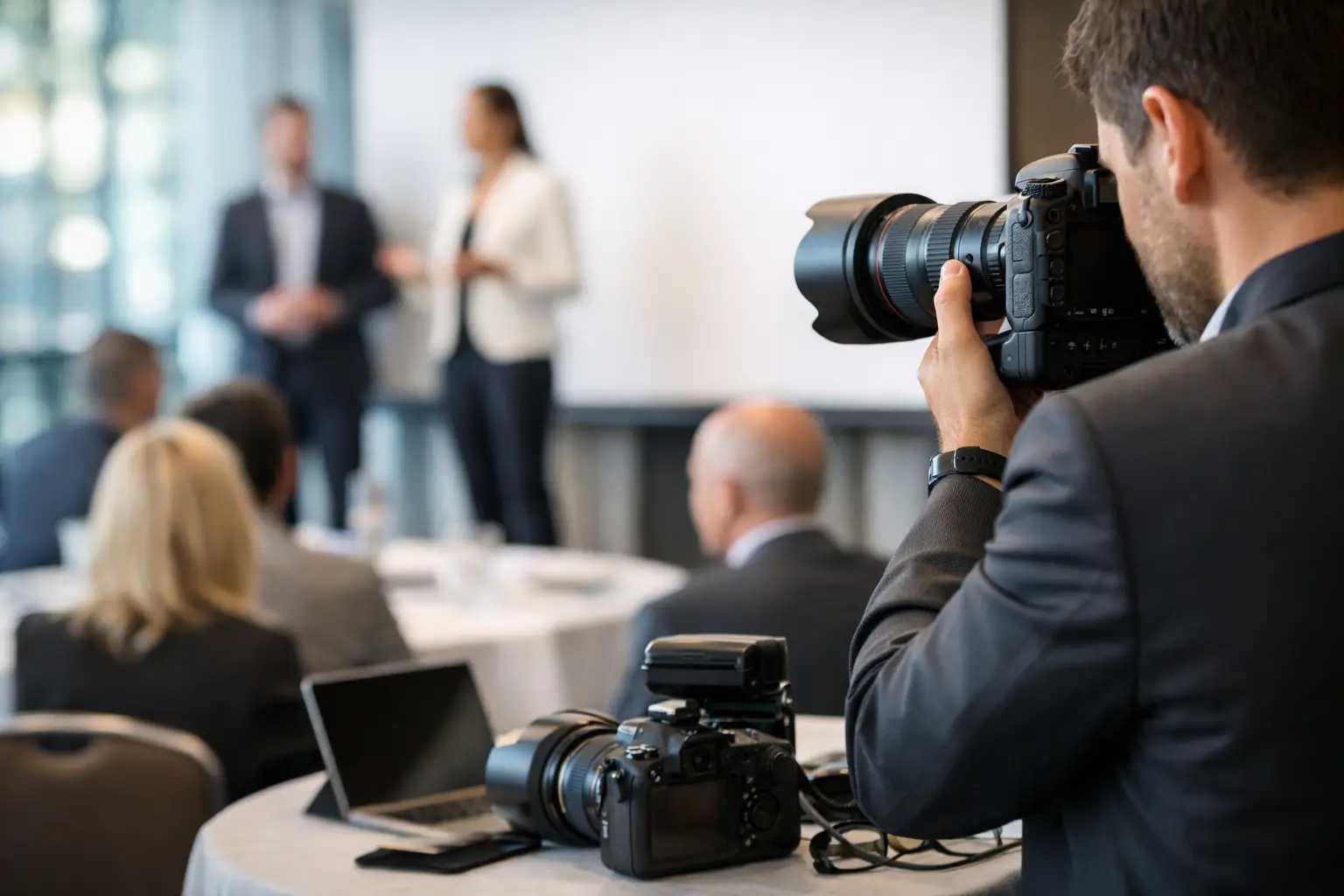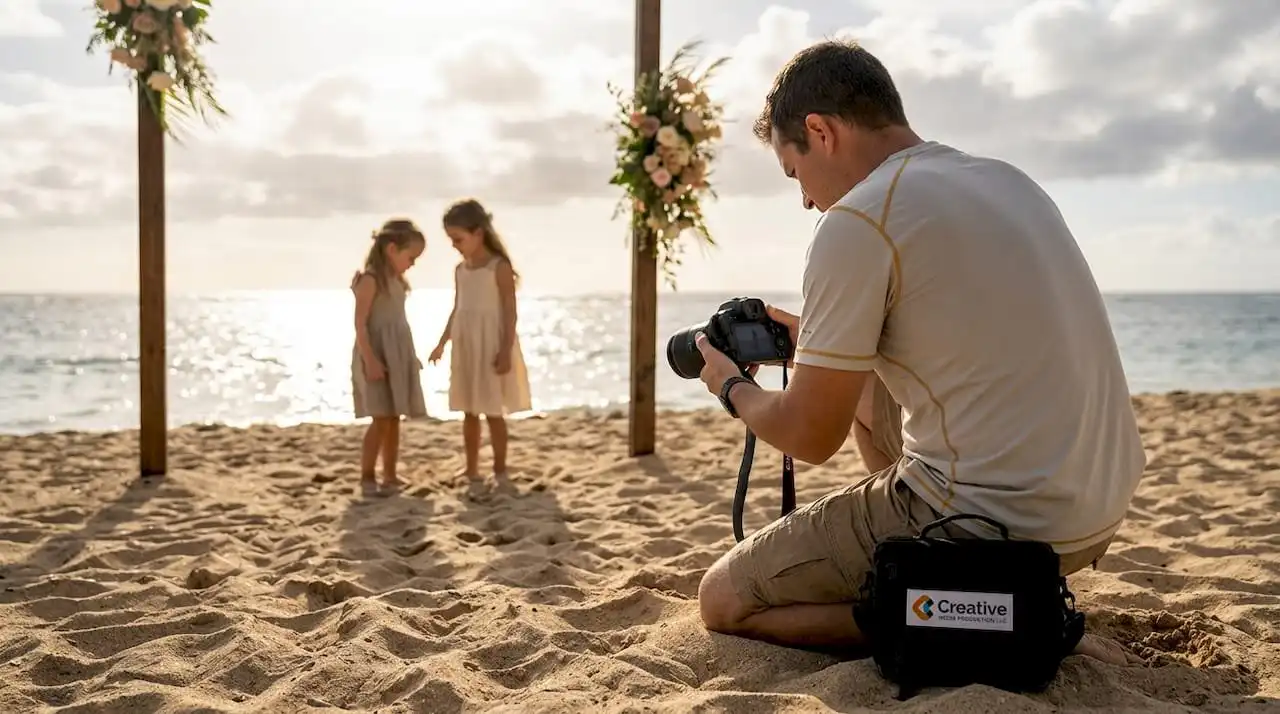
A corporate event can look polished in person and still fall flat afterward if the photography was treated like an afterthought. The strongest event images do more than prove the event happened. They show energy, leadership, brand presence, guest engagement, and the moments your team will actually want to share. If you are figuring out how to plan corporate event photography, the goal is simple: make sure the final gallery supports both the live experience and the business purpose behind it.
That starts well before the first camera comes out. Good planning reduces missed moments, keeps the event running smoothly, and gives your photographer the clarity needed to work efficiently under real event conditions.
Start with the reason the event is being photographed
Not every corporate event needs the same kind of coverage. A leadership summit, product launch, networking mixer, awards dinner, and holiday party all have different priorities. Before you talk about lenses, timelines, or shot counts, define what the images need to do.
Sometimes the main priority is marketing. Your team may need clean, high-quality photos for social media, recruiting, press use, internal communications, or next year’s event promotion. In other cases, documentation matters more. You may need a reliable record of speakers, sponsor signage, VIP attendance, and audience turnout. Many events need both, but one usually matters more.
That distinction changes how coverage should be planned. If the gallery is meant to support brand promotion, you will want more candid interaction, environmental details, and polished crowd scenes. If documentation is the priority, the photographer needs a clear list of required people, moments, and branded assets.
How to plan corporate event photography around business goals
Once the purpose is clear, translate it into a practical shot plan. This is where many event teams stay too general. Saying “get some good photos” is not enough. A professional photographer can work creatively, but better direction leads to stronger results.
Think in categories. You may need speaker photos, audience reactions, team interactions, venue wide shots, branded signage, sponsor visibility, executive portraits, award handoffs, product displays, and guest networking. If there are key stakeholders involved, note them by name. If there are brand elements that matter, identify those too.
It also helps to decide what style fits the event. Some companies want a clean editorial look with natural interaction. Others want crisp, formal documentation. Some want a balance of candid storytelling and polished brand-forward imagery. None of those choices are wrong, but they produce different galleries.
When clients come to Creative Media Production LLC for corporate coverage, the best results usually happen when the vision is both creative and specific. Story-driven photography works best when the team knows which business outcomes matter most.
Build a timeline that protects the important moments
A strong event timeline does more than keep vendors organized. It tells the photographer where to be, when the pressure points happen, and which moments cannot be repeated.
Start with the event schedule, then tighten it for photography. Include setup details, room reveals, guest arrival, welcome remarks, presentations, breakout sessions, networking, sponsor interactions, awards, entertainment, and closing moments. Add buffer time where events often run long, especially before stage programming.
It is smart to flag moments that happen fast. Ribbon cuttings, applause after a keynote, a handshake on stage, or a quick award presentation can be over in seconds. If those are important, they need to be clearly marked ahead of time.
This is also where trade-offs come in. If you book shorter coverage, your photographer may need to prioritize peak moments over full-event storytelling. If your schedule includes simultaneous sessions in different rooms, one photographer may not be enough. Good planning means being realistic about what can be covered well within the time and staffing available.
Create a shot list, but do not over-control it
A shot list is useful when it identifies what must be captured. It becomes a problem when it is so rigid that it blocks natural coverage.
The most effective shot lists usually include the non-negotiables: key executives, sponsors, award recipients, panelists, branded installations, wide room shots, and any staged group photos. From there, leave room for candid moments that show the event as it actually felt.
That balance matters. Corporate galleries often fail in one of two ways. They are either too stiff, with rows of posed photos that feel lifeless, or too loose, with plenty of atmosphere but missing the CEO, the headline speaker, or the sponsor branding the marketing team needed. A reliable photographer should be able to deliver both structure and spontaneity, but your planning should support that outcome.
Share brand guidelines before the event
If the photos will be used externally, your photographer should understand the brand environment they are working in. That includes event colors, preferred backdrops, sponsor requirements, and how formal or relaxed the company wants to appear.
This does not mean every image needs to feel heavily staged. It means the photographer can make better decisions in real time. They will know whether to prioritize clean branded compositions, more candid team culture moments, or a polished mix of both.
If there are any visual sensitivities, mention them early. Some companies want minimal alcohol imagery, limited phone-use shots, or no photos of certain name badges, documents, or presentation slides. Some executives prefer specific angles or quick direction for portraits. These are small details, but they matter when speed and professionalism are expected.
Confirm the logistics that affect image quality
Even the best photographer works within the conditions of the event. Lighting, room layout, stage design, and access all directly affect the final result.
Low light is one of the most common challenges at corporate events, especially dinners, receptions, and ballroom programs. Dim lighting can create atmosphere for guests while making photography more demanding. If image quality is a priority, it helps to discuss lighting conditions in advance. A photographer can adapt, but knowing the setup ahead of time leads to better planning.
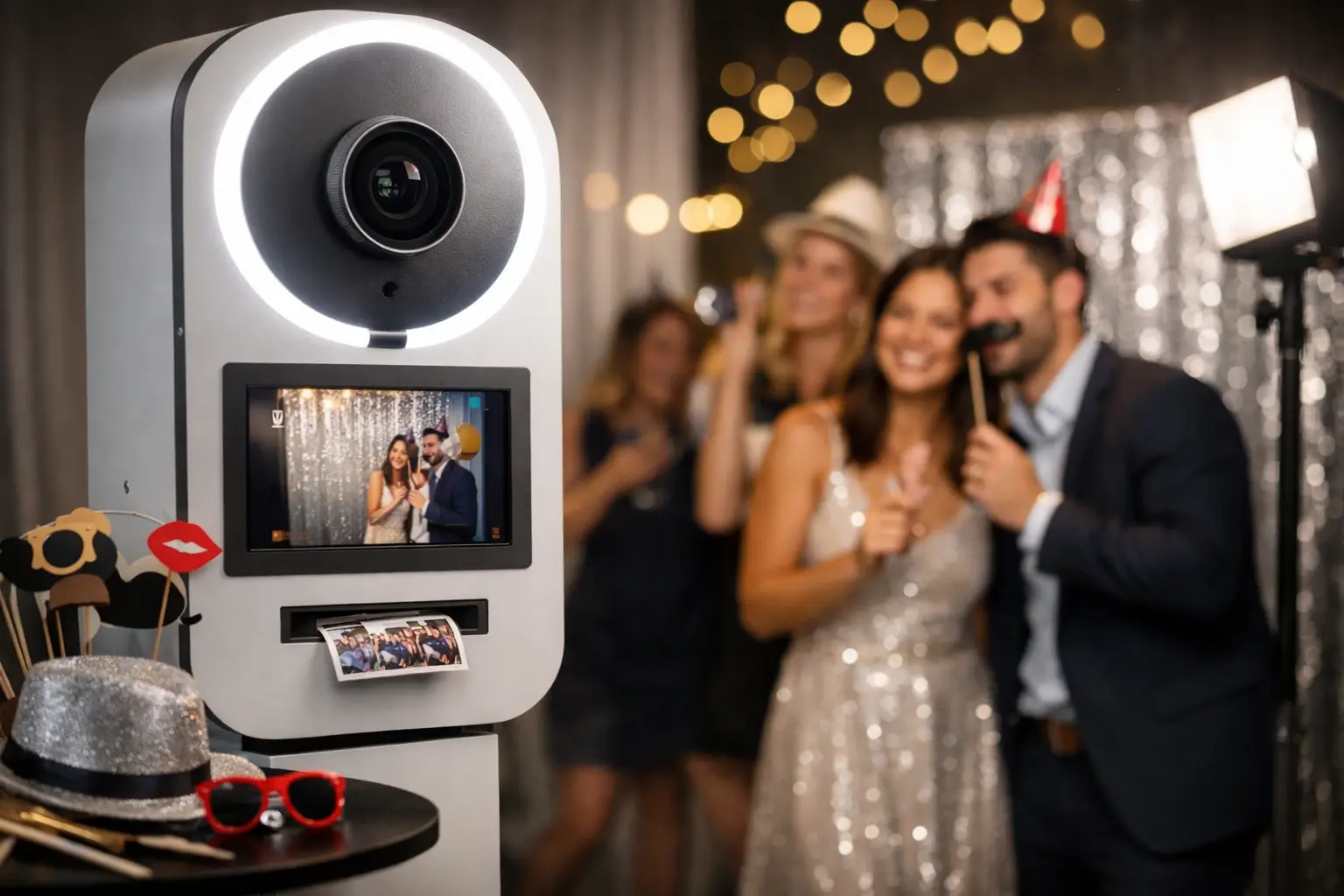
Venue access matters too. Find out where the photographer can move, whether there are restricted areas, and if there is a clear line of sight to the stage. If presentations use projection screens, be aware that those can create exposure challenges. If your event includes a step-and-repeat, branded photo area, or photo booth, placement should support traffic flow without crowding the room.
Parking, loading access, and check-in details may sound minor, but they affect punctuality and setup. A premium service experience depends on smooth logistics as much as creative skill.
Decide how many photographers you actually need
This depends on the scale and complexity of the event, not just guest count. A 75-person executive event with multiple rooms and VIPs may need more coverage than a 200-person single-room dinner.
One photographer may be enough for a straightforward event with one main program and a clear shot list. Two or more are often worth it when there are concurrent sessions, large guest counts, fast-moving stage moments, or a need for both candid coverage and formal group shots. If video is also involved, coordination becomes even more important so teams can work efficiently without getting in each other’s way.
This is one area where trying to cut corners can show in the final gallery. If the schedule asks one person to cover registration, cocktail networking, sponsor booths, keynote reactions, and executive portraits at the same time, something will be missed.
Plan for post-event use, not just event-day capture
A lot of corporate teams focus on getting through the event and only think about usage later. That creates frustration when the gallery arrives and nobody aligned on what was needed.
Before the event, decide how the photos will be used in the days and weeks after. Do you need a fast turnaround for social posting or a next-day recap? Will the marketing team need a folder of brand-ready selects? Are there priority images for sponsors, PR, recruiting, or internal announcements?
Those answers shape coverage. If quick promotional use matters, let your photographer know which moments need to be delivered first. If the company wants long-term brand assets, make sure the event includes time for polished environmental portraits, detail shots, and clean interactions that will stay useful beyond a single recap post.
Communicate with one point person
On event day, photographers need one reliable contact who can answer questions quickly. This should be someone who knows the schedule, can identify VIPs, and can help solve access issues without confusion.
Without that point person, small problems become avoidable misses. The photographer may not know that an executive arrived early, that the sponsor requested a group photo, or that the awards order changed five minutes before stage time. Clear communication protects the coverage and keeps the experience stress-free for your team.
Leave room for real moments
The most useful corporate photography is organized, but it should not feel overmanaged. Guests can tell when every interaction is being staged, and those images rarely carry the energy companies want to share later.
Plan the essentials carefully, then let your photographer watch for the moments in between – a speaker connecting with the audience, a team laughing at check-in, a quiet conversation between leadership and guests, or the split second after an award is handed off. Those are often the images that make an event feel credible, polished, and worth remembering.
When corporate event photography is planned well, the event runs smoother and the final images work harder for your business long after the room is cleared. The best approach is simple: be clear about what matters, give your creative team the right information, and make space for both precision and real human connection.