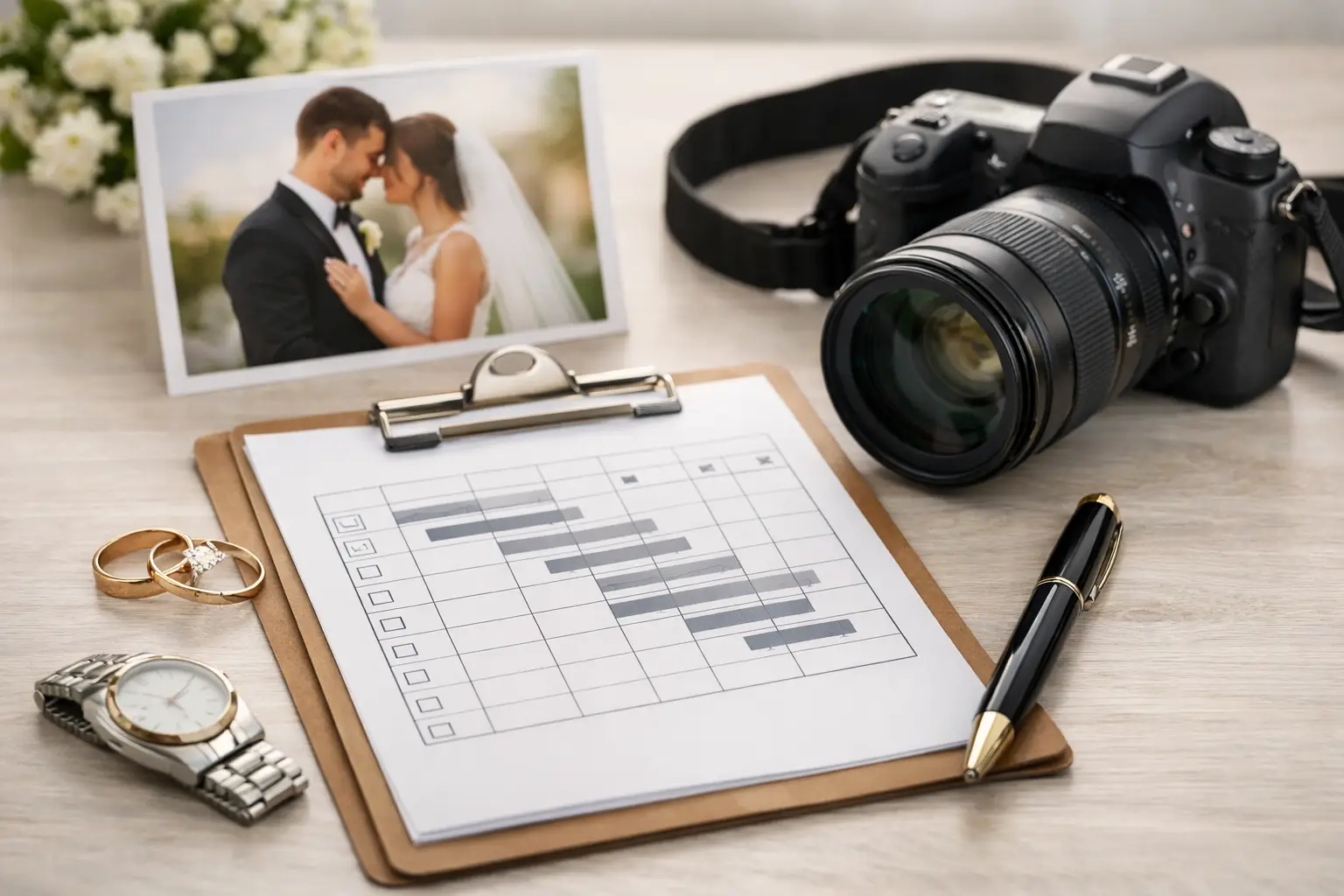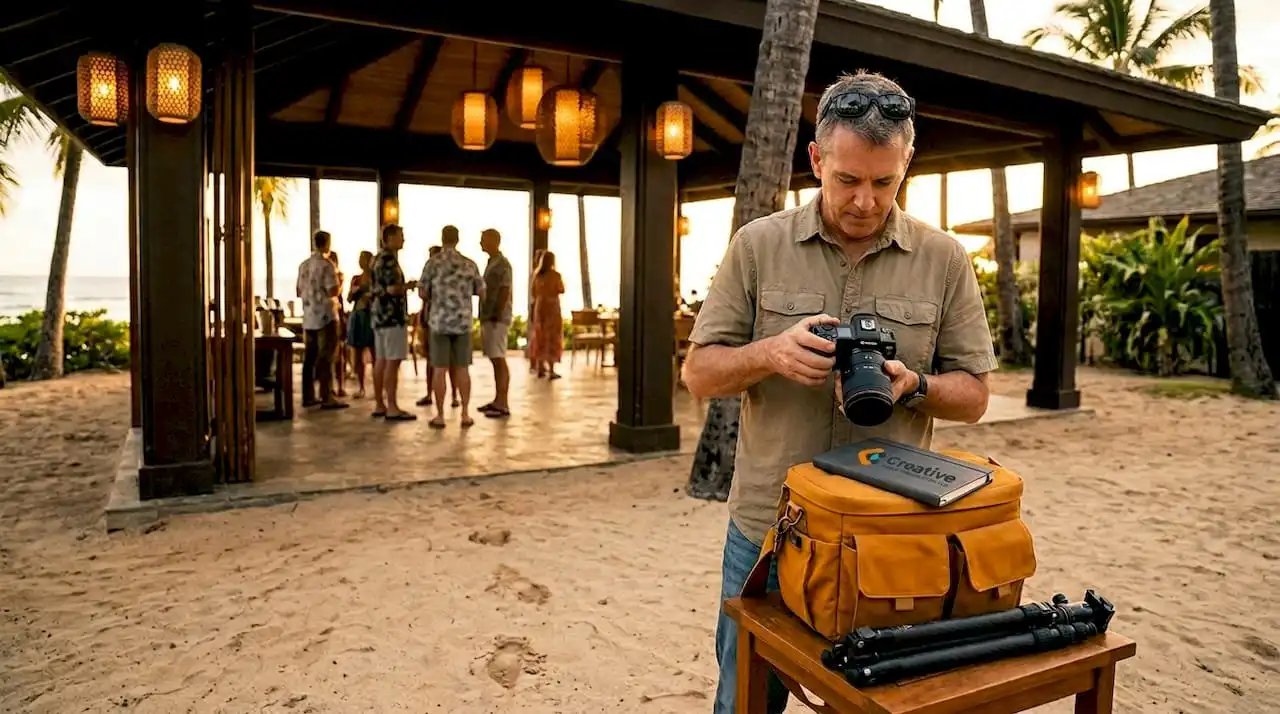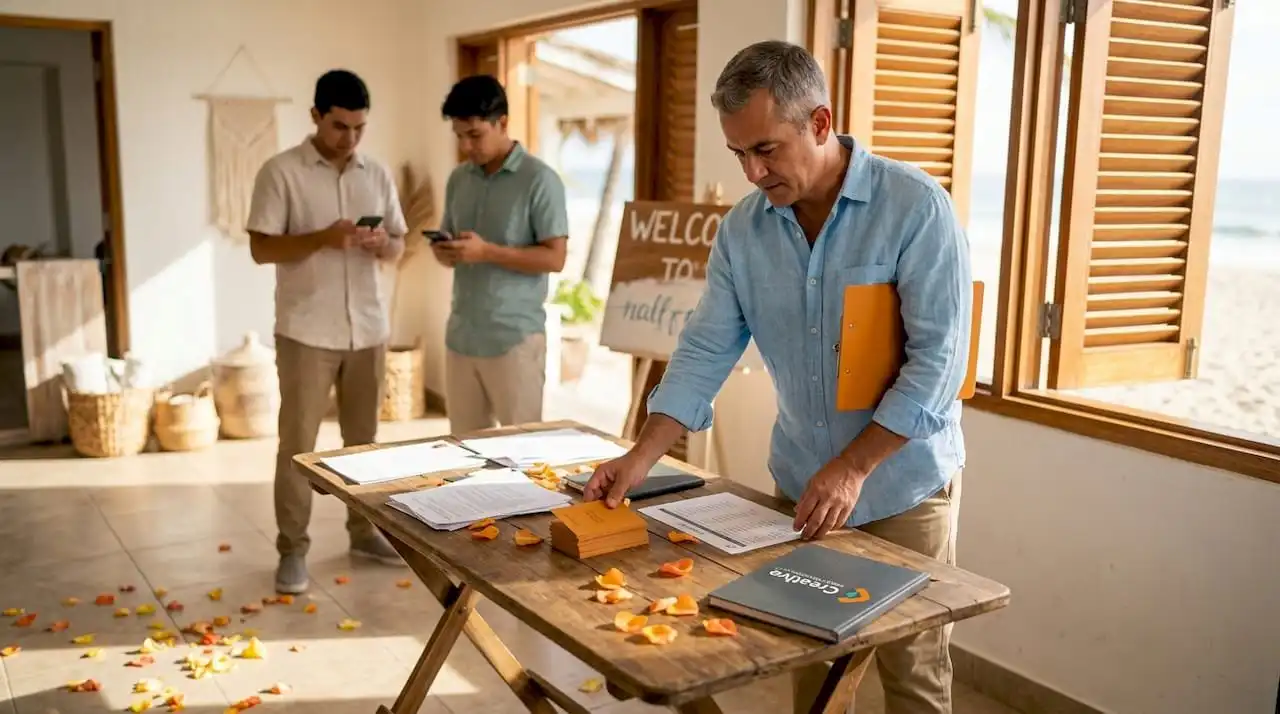
A wedding day can feel like it moves in two speeds at once – slow while you are waiting for the ceremony, then suddenly very fast once guests arrive and the big moments begin. That is exactly why knowing how to plan a wedding photo timeline matters. A strong timeline protects the experience, not just the pictures. It gives your photographer room to capture real emotion, keeps family formalities organized, and helps the day stay calm instead of rushed.
The biggest mistake couples make is treating photography as something that simply fits around the wedding schedule. In reality, the photo timeline should be built into the schedule from the beginning. Great wedding coverage is part creative direction and part logistics. When those two pieces work together, your gallery feels natural, complete, and effortless.
How to plan a wedding photo timeline from the start
Start with your ceremony time, then work backward. That single anchor point affects nearly every photo decision, including when hair and makeup should finish, whether a first look makes sense, when family portraits happen, and how much daylight you have for couple portraits.
If your ceremony is at 4:30 p.m., for example, you do not build the rest of the day by guesswork. You account for travel time, buffer time, touch-up time, and the fact that people almost always need a few extra minutes. A polished timeline is never packed minute to minute. It has structure, but it also leaves room for real life.
This is especially important for Oahu weddings and destination celebrations. Beach access, traffic between locations, hotel logistics, and changing sunset times all affect how a timeline should be built. A schedule that looks fine on paper can feel tight in practice if those details are ignored.
Begin with the photos you care about most
Before assigning times, decide what matters most to you. Some couples want a documentary feel with more candid coverage and very little posing. Others want a clean mix of candid storytelling and polished portraits. Neither approach is wrong, but the timeline changes depending on your priorities.
If family portraits are a top priority, they need a dedicated block with a clear list of groupings. If sunset couple portraits are non-negotiable, that window should be protected even if the reception is already underway. If getting-ready photos matter, your photographer needs enough time to capture details, candid interactions, and finishing touches without rushing from room to room.
A strong timeline reflects your values, not just tradition. That is how the gallery ends up feeling personal.
Build realistic coverage for each part of the day
Most wedding days need more time for photos than couples first expect. Not because photographers want to slow the day down, but because transitions take time. Dresses need straightening, family members need finding, transportation runs late, and venues may have access limitations.
Getting ready coverage usually works best with at least 60 to 90 minutes of focused time. That allows room for details like attire, rings, florals, invitations, and natural moments with your wedding party or immediate family. If both partners want getting-ready coverage in different locations, the timeline may need additional coverage or a second shooter.
First looks typically need around 20 to 30 minutes, plus another 20 to 30 minutes if you want portraits immediately afterward. A first look can reduce pressure later in the day, especially if you want to attend cocktail hour or avoid doing every portrait after the ceremony. The trade-off is simple: some couples love the private emotional moment, while others prefer seeing each other for the first time at the aisle.
Family formals often take 20 to 40 minutes, depending on how many combinations you want and how organized everyone is. This is one area where underplanning creates stress fast. A written list, one designated family helper, and a shaded or evenly lit location make a major difference.
Wedding party portraits usually take another 20 to 30 minutes. Couple portraits can range from 20 minutes to over an hour depending on locations, travel, and how editorial or relaxed you want the images to feel.
Use light to your advantage
One of the most overlooked parts of how to plan a wedding photo timeline is understanding light. Lighting changes the mood, clarity, and overall quality of your images more than almost anything else.
Midday sun is bright and workable, but it can be harsh, especially outdoors. That does not mean you cannot take beautiful photos at noon. It simply means the photographer may need to look for shade, architectural cover, or angles that reduce strong shadows. If your ceremony is in full sun, it helps to know that portraits may look softer and more flattering later in the day.
The best natural light for romantic couple portraits usually happens in the hour before sunset. On Oahu, that window can be especially stunning, but it changes throughout the year. If sunset portraits matter to you, protect that slot early when building the schedule. Even stepping out of the reception for 10 to 15 minutes can produce some of the strongest images of the day.
Indoor venues bring a different set of considerations. Window light can be beautiful for getting ready and portraits, while darker ballrooms may require more lighting setup during the reception. A professional team plans for this, but your timeline should still allow enough transition time between spaces.
Decide whether a first look fits your day
This decision shapes the entire photo schedule. Without a first look, most couple portraits, wedding party photos, and many family formals happen after the ceremony. That can work well, but it creates a tighter block during cocktail hour and may leave less room for breathing space.
With a first look, you can handle many of those portraits earlier. That often makes the day feel smoother and gives you more time with guests later. It can also help if your ceremony starts close to sunset and there is limited light afterward.
Still, there is no universal best choice. If the aisle moment is deeply important to you, building the timeline around that is absolutely valid. Good planning is not about forcing one format. It is about making sure your priorities are supported by enough time.
Keep family photos efficient and calm
Family portraits are often the least glamorous part of the timeline, but they are some of the most meaningful images you will have years from now. They also tend to go off track when no one is clearly in charge.
Keep the list focused on essential combinations first. Start with immediate family, then grandparents, then extended groupings if time allows. If family dynamics are sensitive, communicate that ahead of time so the photographer can work with discretion and professionalism.
It also helps to tell relatives exactly where to be and when. Guests are much easier to organize before they head to cocktails than after they disappear into the reception.
Add buffer time where it counts
If your timeline is perfect on paper but leaves no room for delays, it is not actually perfect. Build extra time around transportation, getting dressed, venue transitions, and pre-ceremony moments.
A good buffer does not make the day feel slow. It makes the day feel controlled. It gives you room for one more hug with your parents, one more quiet moment before the ceremony, or a few extra portraits without anxiety. Premium wedding coverage depends on this kind of planning because rushed schedules almost always show up in the final images.
Work with your photo and video team together
If you have both photography and videography, the timeline should serve both teams. That does not mean doubling the time for everything, but it does mean coordinating movements, setup needs, and priorities in advance.
A story-driven photo team and a cinematic video team can work beautifully together when the schedule is aligned. Vows, first looks, letter readings, and sunset portraits all benefit from coordination. If one team is planning in isolation, you may lose time on the wedding day that could have been avoided.
This is where an experienced company like Creative Media Production LLC adds real value. Strong event coverage is not only about beautiful visuals. It is also about punctual planning, clean communication, and helping the day flow without friction.
A sample rhythm that works for many weddings
Every event is different, but many wedding timelines follow a natural rhythm: getting ready, details, first look if chosen, wedding party portraits, immediate family before the ceremony if possible, ceremony, family formals, couple portraits, reception entrances, toasts, dinner, sunset portraits, then dancing and candid coverage.
What matters is not copying a template. It is adjusting that rhythm to your venue, your guest count, your family needs, and the kind of experience you want to have.
The best wedding photo timeline does not feel overproduced. It feels steady, intentional, and easy to move through. When your schedule respects light, people, travel, and emotion, your photos have room to be both polished and real. Give the day that room, and the story will show up naturally.