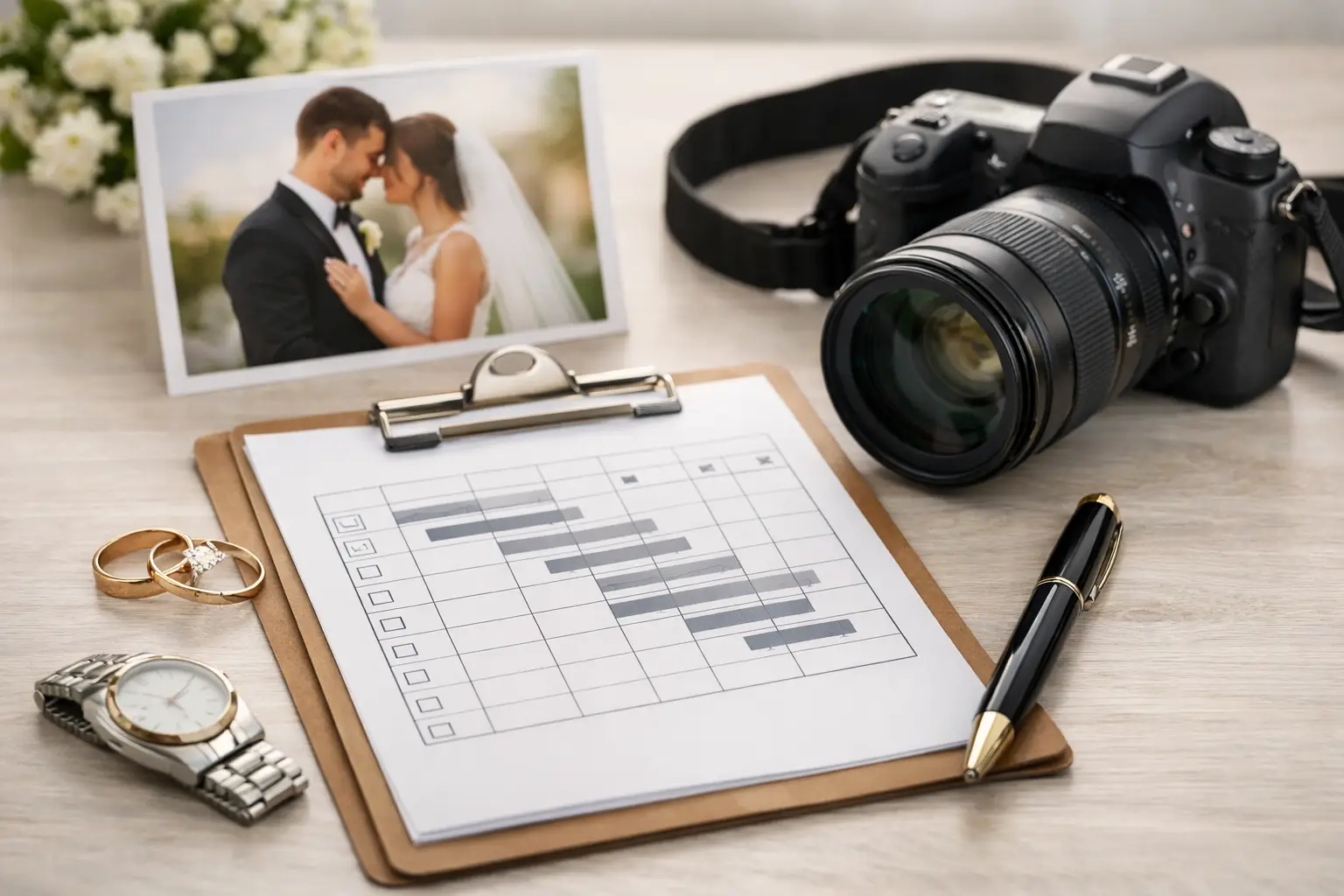
A missed keynote reaction, a skipped family grouping, a ribbon-cutting without the actual cut – small omissions can turn into big disappointments once the event is over. That is why a strong guide to event photography shot list planning matters. It gives your photographer a clear map of must-have moments while still leaving room for candid, story-driven coverage that feels natural and complete.
A shot list is not about turning an event into a stiff checklist. It is about protecting the moments that cannot be repeated. For clients planning weddings, corporate gatherings, birthdays, memorials, and community events on Oahu, the right list reduces stress and helps the day move more smoothly from the first arrival to the final farewell.
What a guide to event photography shot list should actually do
The best shot list does two jobs at once. First, it identifies the non-negotiables – the people, moments, and details that absolutely need to be photographed. Second, it helps your photography team understand the event rhythm, so they can anticipate important interactions before they happen.
That second part is where many people go wrong. A weak shot list is too generic. It says things like “guests mingling” or “event decor” without any context. A useful shot list gets specific. It names the VIPs, the family combinations, the branded installations, the ceremony milestones, and the time-sensitive details that matter most to you.
This is also where professional planning makes a difference. A premium event photographer is not just waiting for instructions. They are using your shot list to build a coverage strategy around timing, lighting, movement, and access.
Start with the event purpose, not just the photos
Before listing any shots, define what success looks like for the event itself. A wedding needs emotional storytelling, family portraits, and clean coverage of the ceremony. A corporate event may need speaker images, sponsor visibility, audience engagement, and polished photos for future marketing. A birthday party usually leans more toward candids, decor, and key guest interactions. A memorial service requires an even more thoughtful approach, with respectful documentation that never feels intrusive.
When the event purpose is clear, the shot list becomes much sharper. Instead of asking for everything, you ask for what matters most. That keeps the photographer focused and improves the final gallery.
For example, a company hosting a product launch may care less about wide room shots and more about branded backdrops, executive networking, guest reactions, and product demos. A family hosting a first birthday may care most about grandparents, cake-cutting, and quiet in-between moments with parents and siblings. The right priorities change the list.
Build your shot list in four practical layers
The easiest way to organize an event photography shot list is by thinking in layers. This keeps the list useful without making it overwhelming.
1. Establishing shots
These images set the scene. They usually include the venue exterior, room setup, signage, decor, table styling, floral arrangements, stage design, and wide shots of the crowd. For corporate events, this may also include sponsor displays, registration tables, branded materials, and environmental shots that show attendance and energy.
These photographs matter more than clients often expect. They are the visual proof of planning, design, and scale. They also tend to disappear quickly once guests arrive and the space gets busy.
2. Key people
This part of the list should be very specific. Name the couple, immediate family members, executives, speakers, honorees, birthday hosts, or community leaders who must be covered. If group photos are important, write out the exact combinations ahead of time.
That level of detail saves time and avoids confusion. Saying “family photos” is vague. Saying “bride with parents, bride with siblings, couple with both families, couple with grandparents” is useful. The same applies to business events. Instead of “leadership team,” list the CEO, keynote speaker, board members, and sponsor representatives.
3. Key moments
Every event has points that cannot be recreated. These might include a ceremony entrance, first kiss, keynote speech, award presentation, candle lighting, blessing, toast, dance, cake-cutting, ribbon-cutting, or farewell line.
Put these in order based on the event timeline. That gives the photography team a clean view of what is happening and when. If a moment has special significance, note that too. A memorial slideshow tribute, for instance, may deserve both wide and close emotional coverage, but with a quiet, respectful distance.
4. Candid storytelling
This final layer is where the gallery starts to feel alive. You want guests interacting, laughter during conversations, children playing, applause, behind-the-scenes preparation, and small emotional exchanges that happen between the scheduled moments.
You do not need to list every possible candid. Instead, guide the photographer toward what kind of atmosphere you want documented. Warm and intimate. Energetic and social. Professional and polished. Respectful and understated. Those cues help shape the visual approach.
The trade-off between detail and flexibility
A good shot list is detailed, but not rigid. That balance matters.
If the list is too short, important moments can be missed. If it is too long, the photographer may spend the day chasing a document instead of reading the room and capturing authentic moments as they unfold. Events move fast. Lighting changes. People arrive late. A speaker runs long. A family member steps away right when portraits are scheduled.
That is why the best shot lists identify priorities. Mark your top must-have images first, then list secondary requests. This gives your photographer room to adapt without losing the essentials.
In practice, that might mean making sure the wedding ceremony, immediate family portraits, and reception toasts are protected no matter what, while more casual guest table photos stay flexible. For a corporate event, the CEO remarks, sponsor signage, and crowd engagement may come first, while extra networking candids come second.
Event-specific shot list tips
Different events need different coverage strategies.
Weddings
Wedding shot lists should cover details, getting ready, ceremony, portraits, family combinations, reception events, and candid guest moments. Timing is everything. If sunset portraits matter, they need to be planned into the schedule, not added as an afterthought.
Corporate events
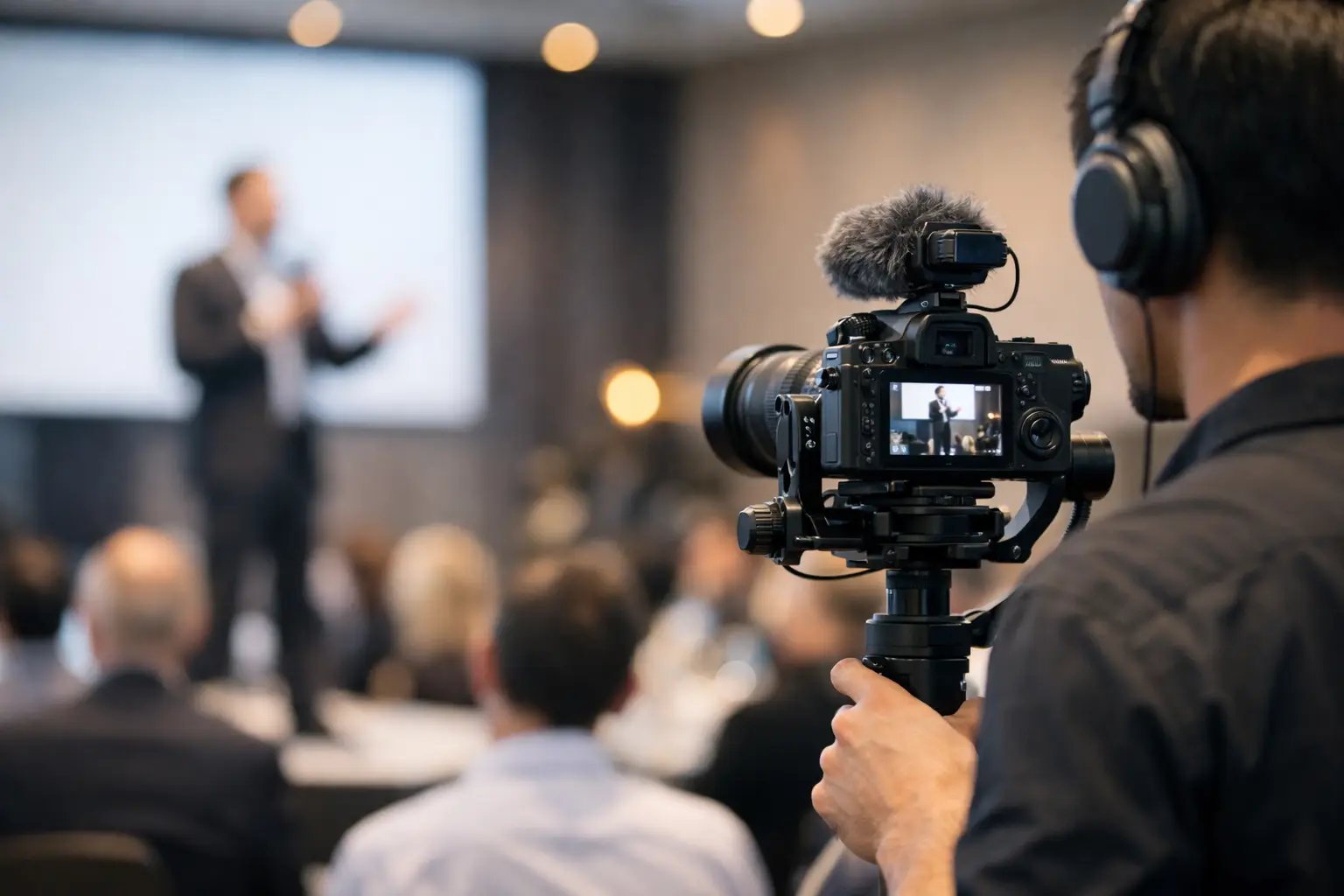
Corporate clients should think beyond documentation and consider marketing value. Include wide crowd shots, speaker images, branded assets, networking, sponsor integration, audience reactions, and polished team photos. If the images will be used for promotion, consistency and clean composition matter just as much as moment capture.
Birthdays and family events
These events usually benefit from a mix of posed and candid coverage. Prioritize the host, immediate family, decor, activities, cake-cutting, and guest interactions. If there are elderly relatives or out-of-town guests, make sure they are named on the list rather than assumed.
Memorials and funerals
This type of coverage should be handled with care and clarity. Focus on meaningful details, family connections, floral tributes, program elements, and key moments of remembrance if the family wants them documented. Not every moment needs a close-up. Respectful distance is often part of quality coverage.
What to send your photographer before the event
A shot list works best when it is paired with context. Send the event timeline, venue name, parking or access instructions, names of VIPs, and any restrictions around certain parts of the event. If group portraits are planned, designate someone who knows the family or team well enough to help gather people quickly.
If there are visual priorities, say so directly. Maybe you care most about natural emotion and want very few posed photos. Maybe you need clean, brand-ready corporate images with visible signage. Maybe you want coverage to feel discreet during a memorial service. Clear expectations create better results.
This is also the time to mention any on-site extras that affect photography flow, such as a photo booth, surprise performance, or special lighting setup. Those details influence positioning and timing.
Why professional guidance improves the final gallery
Most clients know what they do not want to miss, but they do not always know how to translate that into a workable photo plan. That is where experience matters. A professional team can help refine the list, spot timeline issues, and identify moments you may not have considered.
For example, many clients remember to request the keynote speech but forget the audience reaction, the branded stage wide shot, and the speaker greeting guests afterward. A couple may ask for family portraits but overlook the importance of setting aside enough time so those images do not feel rushed. Good planning protects quality.
At Creative Media Production LLC, that consultation mindset is part of delivering reliable service. The goal is not just to show up and shoot. It is to create clean, story-driven coverage with the professionalism, precision, and fast turnaround clients count on.
A strong shot list gives structure to the day, but the real value is peace of mind. When your photographer understands your priorities, you spend less time worrying about what might be missed and more time being present for the event itself. That is usually when the most meaningful images happen.