You planned every detail of your Oahu event for months, and the last thing you want is to rewatch shaky, incomplete footage and realize the first dance or the birthday toast was missed entirely. That fear is real, and it happens more often than people expect when videography is treated as an afterthought. A structured, professional approach to event videography changes everything. This guide walks you through every phase, from the first planning call to the final delivered film, so you can either oversee your videographer with confidence or understand exactly what a skilled team does to make sure nothing slips through the cracks.
Table of Contents
- Understand the event videography workflow
- Pre-production: Set the stage for success
- Production: Capture every moment at your Oahu event
- Post-production: Edit and deliver a stunning event film
- Expert tips, troubleshooting, and essential do’s and don’ts
- Let the experts capture your Oahu memories
- Frequently asked questions
Key Takeaways
| Point | Details |
|---|---|
| Three-phase workflow | Event videography success relies on careful planning, attentive shooting, and expert editing. |
| Preparation is key | Creating detailed shot lists and backup plans prevents missed moments and technical failures. |
| Capture must-have moments | Focus on vows, first dances, speeches, and candid interactions to create unforgettable films. |
| Editing brings it together | Thoughtful editing and feedback ensure a film that matches your event’s emotional narrative. |
| Professional help matters | Experienced Oahu videographers handle logistics and creativity so you can enjoy your event stress-free. |
Understand the event videography workflow
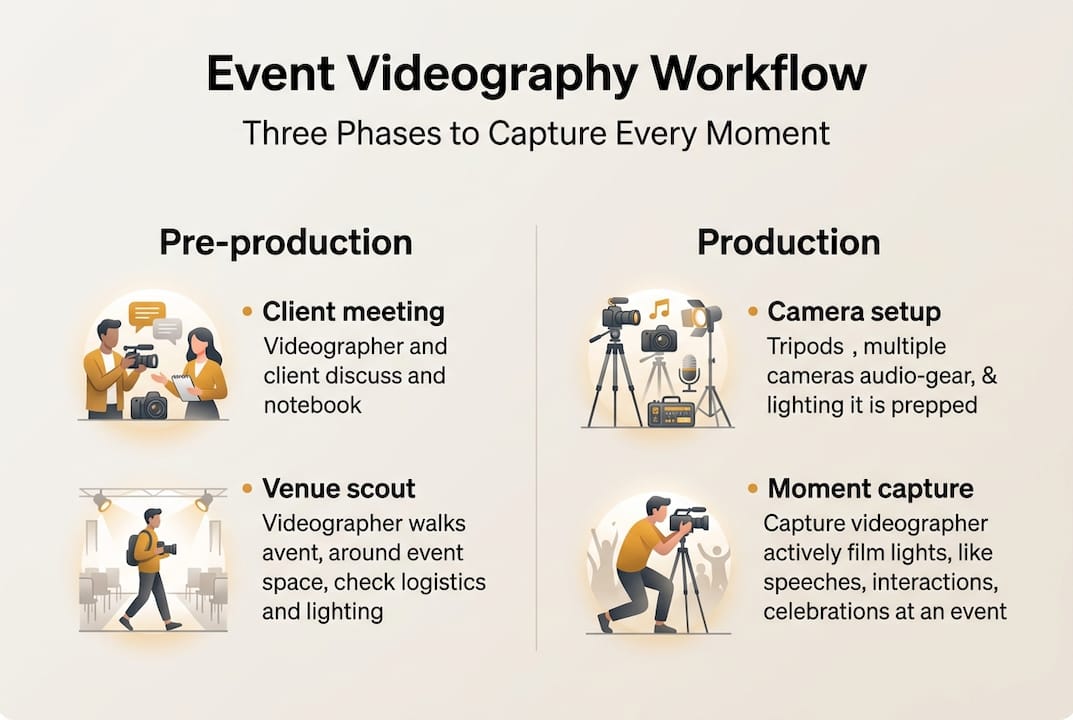
Before diving into specifics, it helps to see the full picture. Event videography follows a three-phase workflow: pre-production (planning and preparation), production (shooting the event), and post-production (editing and delivery). Each phase builds on the last, and skipping steps in one phase creates problems in the next.
One of the biggest differences between amateur and professional coverage is redundancy. Pros bring backup cameras, extra batteries, and duplicate memory cards. They also plan for the unexpected, whether that’s a sudden rain shower at a Kailua beach ceremony or a venue with tricky lighting. Understanding the Oahu videography workflow used by experienced local teams gives you a clear benchmark for what to expect.
Another key distinction is team structure. A solo videographer handles everything alone, which limits angles and coverage. A two-person or larger team allows one camera to hold a wide safety shot while another captures close-up emotion. For weddings and milestone birthdays, a team approach is almost always worth it. Strong photo and video teamwork between your photographer and videographer also prevents them from blocking each other during critical moments.
| Phase | Key activities | Goal |
|---|---|---|
| Pre-production | Consultation, shot list, venue scout, gear prep | Build a clear plan |
| Production | Setup, multi-camera shooting, collaboration | Capture every moment |
| Post-production | Editing, color, audio, delivery | Deliver a polished film |
Having a solid wedding photo checklist that aligns with your video shot list ensures both teams are working toward the same story.
Pre-production: Set the stage for success
Great event videos are made before the camera ever rolls. Pre-production steps include client consultation to understand your vision, creating detailed shot lists and timelines, venue scouting, and building equipment checklists with backups. This phase is where your videographer learns what matters most to you.
Here is a practical numbered checklist for pre-production:
- Schedule a vision meeting to discuss your event style, must-have moments, and any special requests.
- Build a detailed shot list organized by the event timeline, from arrival to send-off.
- Walk the venue to identify lighting challenges, power outlets, and the best camera positions.
- Confirm your equipment list including primary cameras, audio recorders, lavalier (clip-on) microphones, and all backups.
- Align timelines with your event coordinator, DJ, and photographer so everyone is on the same page.
Venue scouting in Oahu is especially important because outdoor locations like Waikiki beachfronts or Kailua gardens shift dramatically in light from morning to afternoon. Knowing where the sun sets and how it hits your ceremony space can mean the difference between golden-hour magic and blown-out, overexposed footage.
Pro Tip: Ask your videographer to share a sample shot list from a previous event. Reviewing it together helps you spot gaps and add moments that are unique to your celebration, like a special hula performance or a surprise guest appearance.
A thorough memorable moments checklist built during pre-production also helps you feel confident walking into the event day. Getting familiar with event photography terms like B-roll, coverage, and cutaway shots makes communication with your team much smoother.
| Pre-production task | Why it matters |
|---|---|
| Client vision meeting | Aligns expectations and priorities |
| Shot list creation | Prevents missed moments |
| Venue walk-through | Solves lighting and positioning issues early |
| Equipment checklist | Eliminates gear surprises on event day |
| Timeline coordination | Keeps all vendors in sync |
Production: Capture every moment at your Oahu event
Event day is where preparation pays off. Arrive early to test gear, use at least two cameras (one static safety shot, one handheld for emotion), and prioritize key moments like vows, first dance, speeches, and toasts. Arriving 60 to 90 minutes before guests gives the team time to set up, run audio checks, and troubleshoot anything unexpected.
Here is a numbered event-day setup checklist:
- Set up the static camera on a tripod at the best wide-angle position before guests arrive.
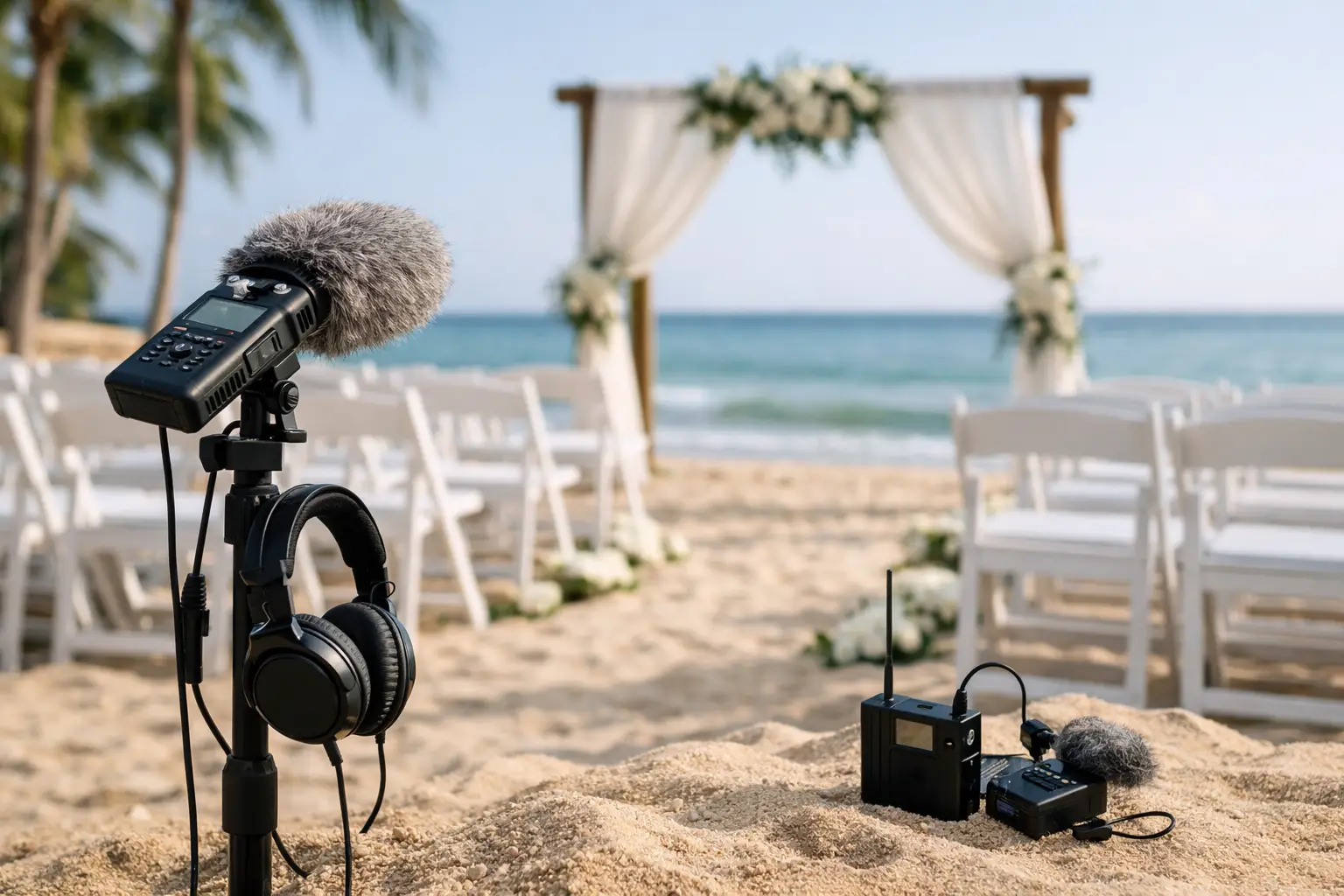
- Test all audio gear, including lavalier mics on the officiant or emcee and any room microphones.
- Secure all cables to prevent tripping hazards and accidental disconnections.
- Brief the second camera operator on their priority shots and movement zones.
- Confirm battery and card status on every device, and keep spares within arm’s reach.
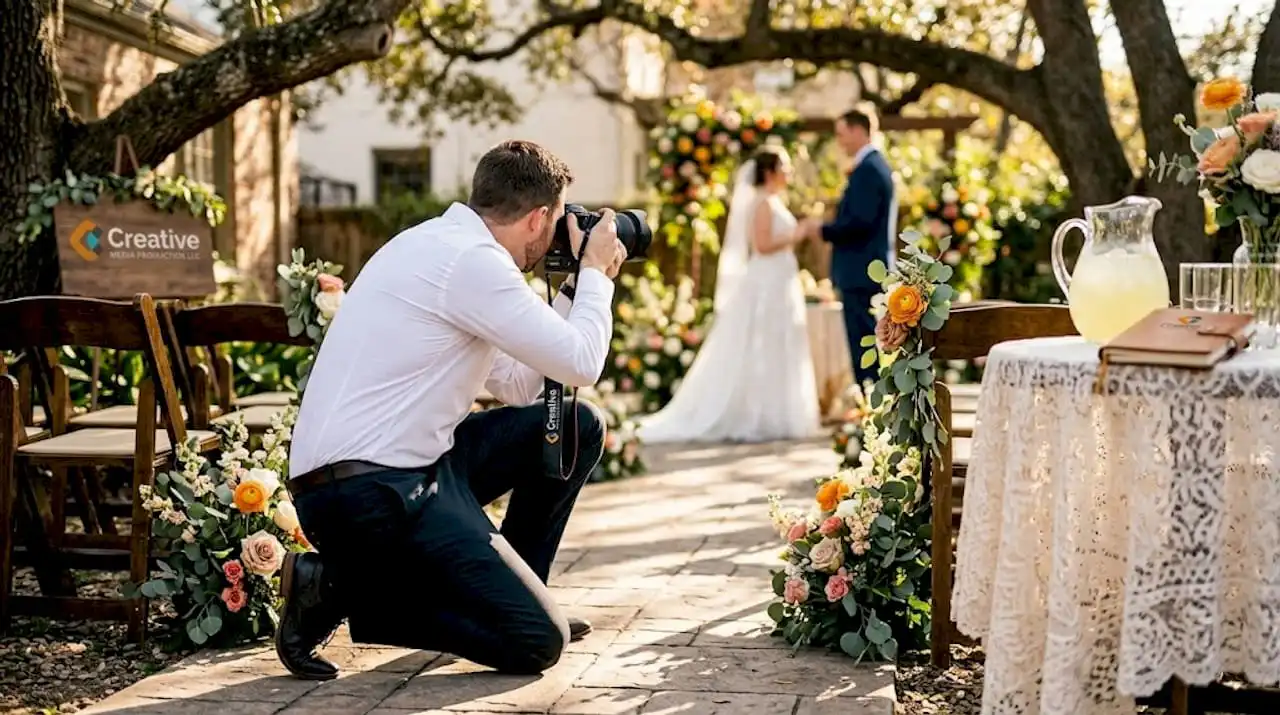
During the event, the best videographers stay in a near-constant state of recording. Candid moments between guests, a child laughing during the cake cutting, a grandparent wiping away a tear during the vows: these are the shots that make a film feel alive. Creative event photography and videography work best when both teams communicate before the event starts.
“The camera that is always rolling catches the moments nobody planned for. Those are usually the best ones.”
Collaborating with your event entertainment and DJ is also critical. Reviewing event entertainment timelines in advance helps the video team anticipate transitions and position themselves before key moments happen, not after. Understanding the importance of pro videography becomes very clear when you see how much coordination goes into a single event day.
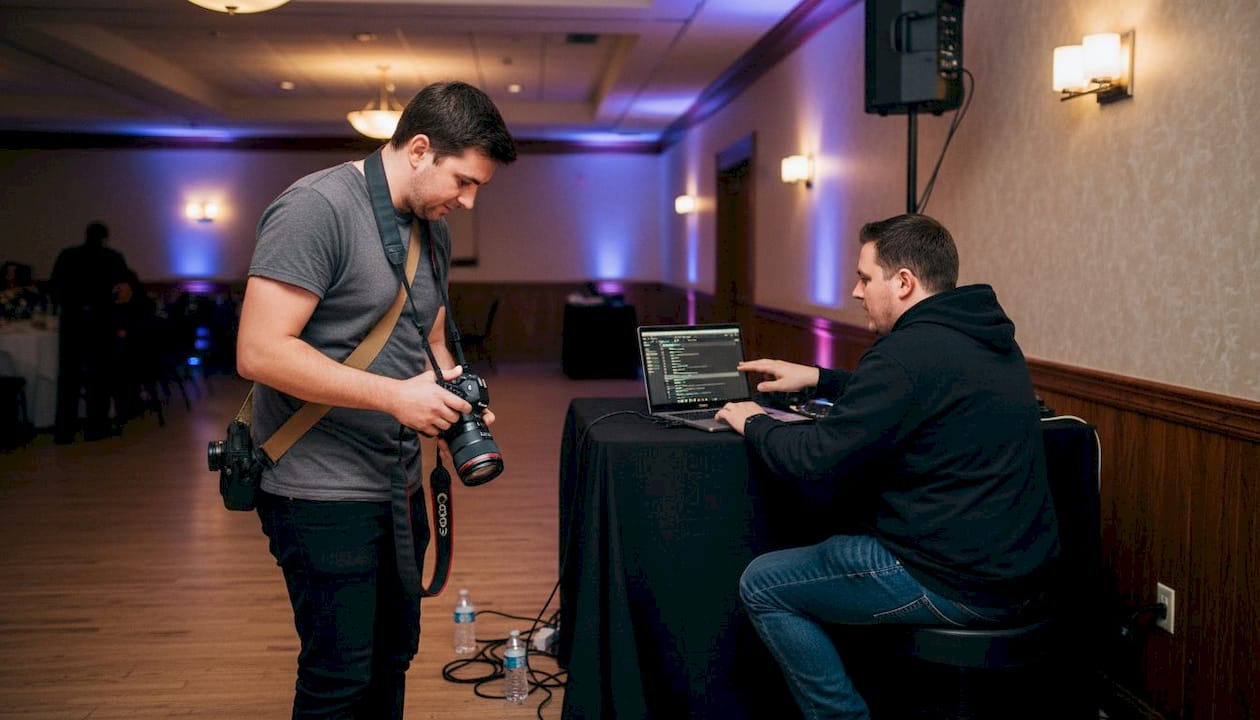
Pro Tip: For outdoor Oahu events, always have a weather contingency plan. Know where the covered areas are, keep lens cloths accessible for humidity, and brief your team on the backup indoor location if rain arrives.
For product launches or corporate events, brand launch videography tips offer additional guidance on capturing branded moments with precision.
Post-production: Edit and deliver a stunning event film
Once the event wraps, the footage goes through a careful editing process. Organize footage by event, time, and emotion, build the narrative first using the main story footage (called A-roll), then layer in B-roll, music, and color grading. Editors typically work through multiple passes to refine the film.
Here is what a professional editing workflow looks like:
- Transfer and back up all footage immediately after the event using the 3-2-1 method (three copies, two different storage types, one offsite).
- Build the story structure using key moments like vows, speeches, and toasts as anchor points.
- Layer in B-roll to fill transitions and add visual texture between main moments.
- Add music using licensed tracks that match the emotional tone of the event.
- Apply color grading to give the film a consistent, cinematic look.
- Send a draft for client review and incorporate feedback before the final export.
- Export in multiple formats for social media, full-resolution archiving, and streaming platforms.
Color grading is one of the most underrated steps. It transforms flat, raw footage into something that feels warm, vibrant, and true to the mood of your Oahu celebration. The Oahu wedding media editing process used by experienced local teams accounts for the unique light conditions of Hawaii, from the golden tones of a sunset ceremony to the bright midday light at an outdoor birthday party.
Pro Tip: Ask your videographer for a short highlight reel (two to three minutes) in addition to the full-length film. The highlight version is perfect for sharing on social media and reliving the best moments quickly.
For couples, the editing phase is also where your love story editing comes to life. A skilled editor weaves together audio, visuals, and music to create something that feels personal, not generic.
Expert tips, troubleshooting, and essential do’s and don’ts
Even with perfect planning, events throw curveballs. Audio priority matters most: use lavalier mics for speeches and vows, keep a safety camera always rolling, and coordinate with photographers through pre-event communication. These habits separate good videographers from great ones.
Do’s:
- Back up everything using the 3-2-1 method immediately after the event.
- Brief your photographer and videographer together before the event starts.
- Test all audio gear at least 30 minutes before guests arrive.
- Build buffer time into every segment of the event timeline.
Don’ts:
- Never rely on a single camera or a single memory card for critical moments.
- Avoid cluttered or distracting backgrounds for key shots like vows or speeches.
- Never skip the venue scout, even for familiar locations.
- Don’t assume the DJ or emcee will signal the videographer before key moments.
For last-minute hiccups, having a videography workflow checklist on hand gives your team a quick reference to troubleshoot without panic. Gear failure, a missing vendor, or a sudden schedule change all become manageable when the team has practiced responses.
“Redundancy is not paranoia. It is professionalism.”
Pro Tip: Use radio edits of your chosen songs during editing. Radio edits are shorter, cleaner versions that fit highlight reels perfectly without awkward cuts or fades.
Reviewing your wedding photo moments list alongside your video shot list one final time before the event is one of the simplest ways to catch anything that was overlooked during planning.
Let the experts capture your Oahu memories
You now have a clear picture of what professional event videography looks like from start to finish. Planning, executing, and editing a polished event film takes skill, experience, and the right gear. For families and couples in Oahu, having a trusted local team handle every phase means you can actually be present at your own event instead of worrying about coverage.
At Creative Media Productions, our team brings over 15 years of experience capturing weddings, birthdays, and milestone events across Honolulu, Waikiki, Kailua, and beyond. Whether you need a full-day event photographer in Oahu or a complete video and photo package, we handle every detail so nothing is missed. Explore our Oahu videography services or browse our videography services guide to find the right fit for your event. Reach out today to start planning your coverage.
Frequently asked questions
How much does professional event videography cost in Oahu?
Professional event videography in Oahu typically ranges from $1,000 to $5,000 depending on the duration of coverage, team size, and the complexity of the final edit. Packages vary widely, so always ask for a detailed breakdown before booking.
How far in advance should I book a videographer for my event?
You should book your videographer at least 9 to 12 months in advance, especially for weddings and popular dates in Oahu. Popular weekends fill up fast, particularly during peak wedding season.
What key moments should always be filmed at weddings or birthdays?
Critical moments to film include vows, the first dance, speeches, toasts, and candid guest reactions. These are the scenes that carry the most emotional weight in the final film.
Why use multiple cameras for event videography?
Multiple cameras provide insurance against technical failures and allow your team to capture key moments from different angles simultaneously. A static wide shot combined with a handheld close-up creates a much richer final edit.
How long does it take to edit and deliver an event video?
Editing typically takes one to two weeks after the event for a standard highlight film. Longer full-length films or complex multi-camera edits may take additional time depending on the scope of the project.