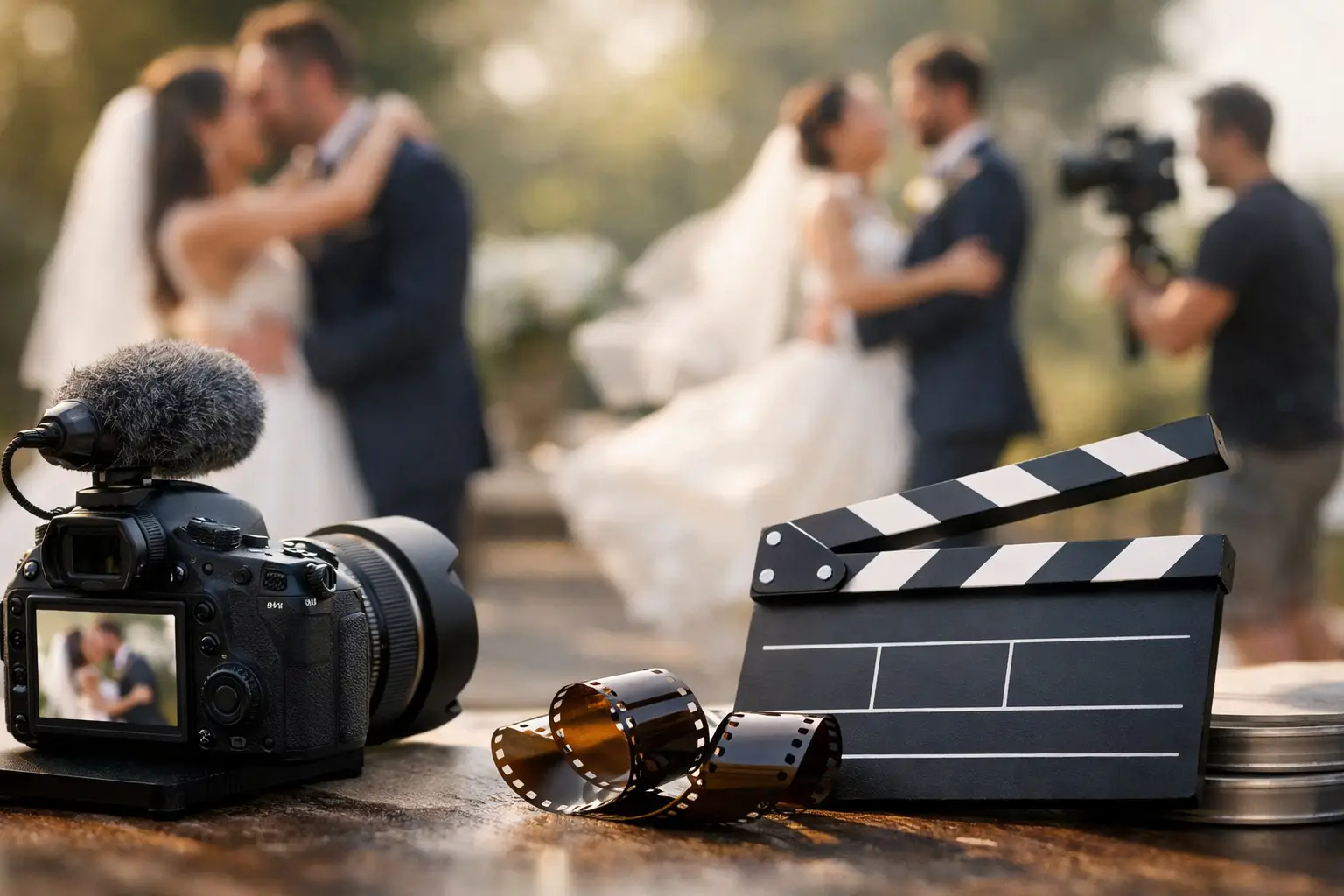
TL;DR:
- The preferred event photography style on Oahu balances candid and posed shots for authentic storytelling.
- Oahu’s unique environment requires photographers to adapt to natural light, weather, and cultural protocols.
- A professional photographer should blend techniques, understanding when to unobtrusively capture emotions or organize structured portraits.
Planning a celebration on Oahu means making dozens of decisions, and choosing the right photography style is one of the most important. The wrong approach can leave you with stiff, forgettable images or miss the raw emotion that made the day special. Oahu’s unique mix of golden beaches, cultural traditions, and unpredictable weather adds another layer to the decision. Whether you’re planning a beach wedding in Waikiki, a birthday luau in Kailua, or a family reunion in Kaneohe, understanding the main types of event photography helps you get images that actually reflect your day.
Table of Contents
- What makes each type of event photography unique?
- Candid and photojournalistic event photography
- Posed and traditional event photography
- Specialty: Low-light, action, and cultural moments
- Comparing event photography types for your Oahu celebration
- Our perspective: The art of balance in Oahu event photography
- Ready to book your Oahu event photographer?
- Frequently asked questions
Key Takeaways
| Point | Details |
|---|---|
| Blend candid and posed | Combining both styles ensures you get genuine emotion and essential group shots. |
| Adapt to Oahu | Successful event photography accounts for lighting, weather, and cultural traditions unique to Oahu. |
| Specialty skills matter | Low-light, action, and cultural moments require specialized equipment and local experience. |
| Ask for tailored coverage | Discuss your event’s needs with your photographer to shape the right mix of approaches. |
What makes each type of event photography unique?
Not all event photography works the same way. The style your photographer uses shapes everything: the mood of your images, how guests feel during the shoot, and which moments get preserved. Knowing the differences puts you in a much stronger position when booking.
The two biggest categories are candid (photojournalistic) and posed (traditional) photography. Candid means the photographer works quietly in the background, capturing real reactions as they happen. Posed means the photographer directs people into position for deliberate, structured shots. Most professional events use a blend of both.
Oahu adds specific factors that influence which style works best:
- Natural light: Sunrise and sunset on Oahu are spectacular, and skilled photographers time their shots around golden hour.
- Cultural sensitivity: Hawaiian and Pacific Islander ceremonies often have protocols that require photographers to stay unobtrusive.
- Weather: Oahu’s weather can shift quickly, so flexibility is essential.
- Location: Outdoor venues like beaches and botanical gardens behave very differently from indoor reception halls.
In practice, professional technique matters as much as style. Expert event photography techniques include starting with aperture priority at f/2.8, keeping shutter speed at a minimum of 1/200s, using back-button focus, targeting a 70/30 candid-to-posed ratio, and applying bounce flash in low-light reception halls. These aren’t just settings. They’re the foundation of consistent, high-quality results.
For Oahu events specifically, creative event photography balances all of these factors into a cohesive visual story. If you’re new to photography terminology, reviewing photography terms and definitions before your consultation will help you communicate your vision clearly.
Pro Tip: Ask your photographer to walk you through their typical candid-to-posed ratio before you sign a contract. A 70/30 split is a strong industry benchmark for events that need both emotion and structure.
Candid and photojournalistic event photography
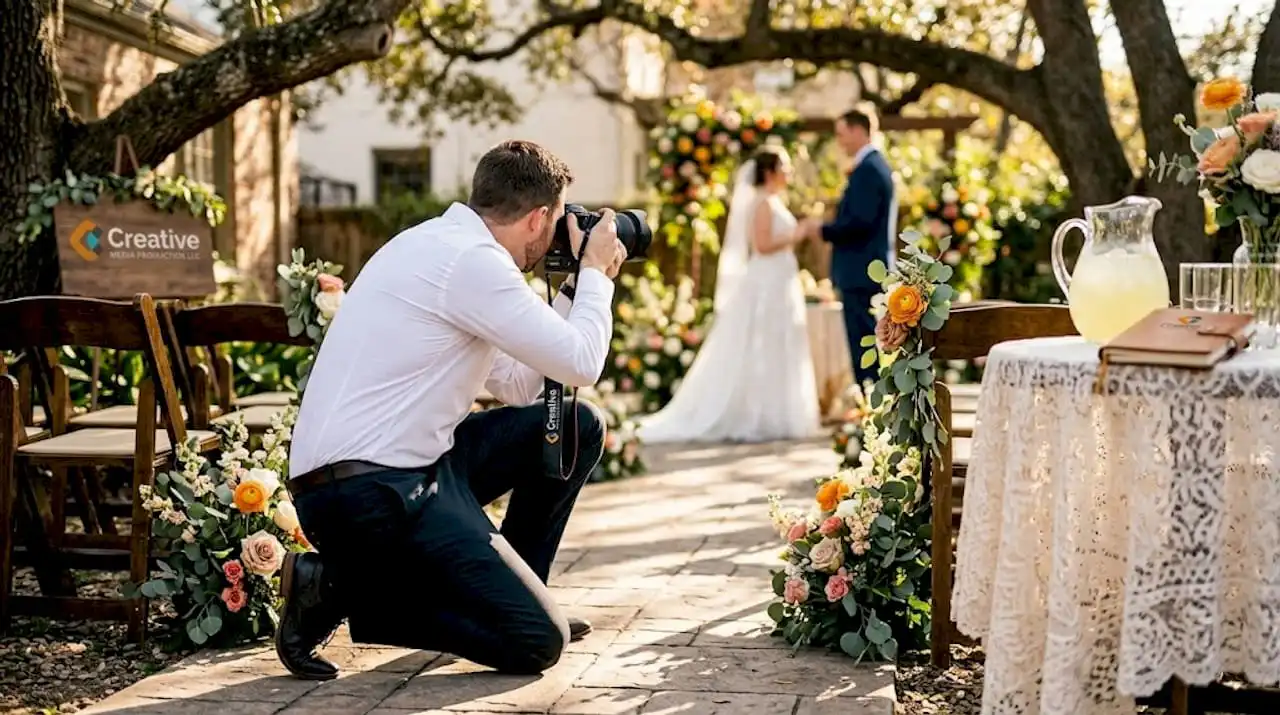
Candid photography is about becoming invisible. The photographer moves through your event without interrupting it, catching real smiles, surprised expressions, and unscripted moments that you’d never recreate in a posed setting.
This style is especially powerful for:
- Beach weddings and elopements where the setting and emotion do the heavy lifting
- Family beach gatherings where kids and elders interact naturally
- Birthday celebrations full of surprise reactions and spontaneous dancing
- Cultural events where ceremony protocols require a hands-off approach
Oahu is a dream location for candid work. Oahu event photography thrives on natural light at sunrise and sunset, unobtrusive blending with cultural events, and the authentic energy of celebrations tied to place and tradition. A skilled photographer knows how to position themselves so the light works in their favor without ever drawing attention.
Imagine a surprise dance breaking out at a luau reception. A candid photographer captures the exact moment the guest of honor realizes what’s happening: eyes wide, hand over mouth, tears starting. That image is impossible to stage. It only exists because the photographer was already watching.
“Candid coverage is preferred for authenticity and emotion, making up roughly 70% of event coverage for maximum emotional impact, while posed shots account for the remaining 30%.”
For wedding photography insights specific to Oahu, candid work during the ceremony and reception consistently produces the most emotionally resonant images couples return to years later.
Posed and traditional event photography
Candid photography tells the story of your event. Posed photography makes sure the right people are in the frame together. Both matter.
Posed photography involves the photographer directing individuals and groups into deliberate positions. It’s the style behind formal family portraits, wedding party lineups, and the classic “everyone look at the camera” group shot. These images serve a specific purpose: they document relationships and create keepsakes that families pass down.
At Oahu events, posed photography works best when:
- Group size is large and coordination is needed to get everyone in frame
- The location is culturally significant, requiring respectful, organized coverage
- Formal portraits are expected, such as wedding party photos or corporate headshots at a company event
- The client wants album-ready images with clean backgrounds and consistent lighting
A typical group shot workflow follows a clear sequence: identify the groups in advance, call them in order from largest to smallest, position people by height, check for closed eyes before moving on, and release each group promptly so the event keeps moving.
Pro Tip: Give your photographer a printed list of must-have group combinations before the event. This saves significant time and ensures no important family grouping gets missed.
Posed coverage makes up roughly 30% of professional event photography, providing the structure that candid work alone can’t deliver. When you choose an Oahu event photographer, confirm they have experience managing group logistics at outdoor locations where wind, sun angle, and moving guests add complexity.
Specialty: Low-light, action, and cultural moments
Some Oahu celebrations push beyond standard candid and posed coverage. Concerts, fire knife performances, late-night receptions, and traditional Hawaiian ceremonies each create unique challenges that demand specialized skills and gear.
The core challenges in specialty photography include:
- Unpredictable lighting: Indoor receptions and evening events can drop to near-darkness
- Fast action: Performers, dancers, and excited kids don’t pause for the camera
- Environmental surprises: Oahu’s wind and rain require flexible timing and protective rain covers for gear
- Cultural protocols: Some ceremonies restrict where photographers can stand or when they can shoot
The right gear makes a significant difference. Fast prime lenses at f/2.8 or lower let in more light without slowing shutter speed. High ISO settings (often 3200 or above) allow shooting in dim venues. External flash units, used correctly, add light without washing out the scene.
Pro Tip: For fire knife performances or first dances, ask your photographer to do a quick venue walkthrough before the event starts. Knowing the lighting conditions and movement patterns in advance leads to sharper, better-composed action shots.
A solid checklist for action and cultural coverage includes: confirming cultural protocols with the event organizer, scouting the venue for power outlets and flash restrictions, testing ISO and shutter combinations before guests arrive, and identifying the two or three must-capture moments so nothing gets missed. Low-light event tips can help you prepare the right questions to ask your photographer before booking.
Comparing event photography types for your Oahu celebration
With the main styles covered, a side-by-side comparison makes the decision clearer.
| Criteria | Candid/Photojournalistic | Posed/Traditional | Specialty techniques |
|---|---|---|---|
| Authenticity | Very high | Moderate | Situational |
| Group shots | Limited | Excellent | Limited |
| Adaptability | High | Moderate | Very high |
| Best settings | Outdoor, natural light | Indoor, controlled light | Low light, action venues |
| Oahu fit | Beach, cultural events | Family portraits, weddings | Concerts, luaus, ceremonies |
| Typical coverage | 70% of event | 30% of event | As needed |
The 70% candid, 30% posed benchmark reflects what most professional Oahu photographers recommend for personal celebrations. It delivers emotional depth while still capturing the structured moments families want.
For Oahu specifically, your decision should factor in:
- Event location: A sacred heiau (Hawaiian temple site) requires invisible candid work. A hotel ballroom gives more flexibility.
- Group size: Larger family reunions need more posed time built into the schedule.
- Cultural sensitivity: Respect for ceremonial protocols is non-negotiable.
- Weather contingency: Coastal venues need a backup plan.
Understanding the importance of professional photoshoots for weddings and family events helps frame why these decisions matter so much before the day arrives.
Our perspective: The art of balance in Oahu event photography
After years of covering events across Oahu, from intimate elopements on the North Shore to large multi-generational family reunions in Kaneohe, one truth stands out: the best results never come from following a rigid formula.
The photographers who deliver the most meaningful work are the ones who read the room. They know when to fade into the background and let a moment breathe. They also know when to step in, gather the family, and organize a group shot before the light disappears or the tide comes in.
Oahu’s sacred sites and coastal dynamics demand a level of local awareness that no amount of technical skill alone can replace. A photographer who has never worked near a Hawaiian ceremony site may not understand the protocols that shape how and when they can shoot.
The honest truth is that blending styles is an art, not a checklist. Creative blending of candid and posed approaches, adapted to Oahu’s environment and cultural context, is what separates a good photographer from a great one. When you’re evaluating photographers, ask to see full event galleries, not just highlight shots. That’s where the real balance shows.
Ready to book your Oahu event photographer?
Now that you understand the main photography styles and how they apply to Oahu celebrations, the next step is finding a team that can deliver on all of it.
At Creative Media Productions, we’ve spent over 15 years blending candid, posed, and specialty techniques for weddings, birthdays, family photoshoots, and cultural events across Honolulu, Waikiki, Kailua, and beyond. Our Oahu event photographer team consults with you before every event to match the right approach to your vision. We also offer photo booth options for complete event coverage that keeps guests engaged all night. Browse our portfolio and reach out to start the conversation.
Frequently asked questions
What is the difference between candid and posed event photography?
Candid photography captures natural, unplanned moments as they happen, while posed photography involves directing people into deliberate positions for formal shots. Candid coverage typically accounts for 70% of professional event photography, with posed work filling the remaining 30%.
Which event photography style works best for Oahu weddings?
Most Oahu weddings benefit from a blend: candid for ceremony emotions and reception energy, posed for family portraits and wedding party lineups. Oahu weddings emphasize natural light and unobtrusive blending, especially at outdoor and culturally significant locations.
How do event photographers handle low-light or bad weather in Oahu?
Professional photographers use fast prime lenses, high ISO settings, and external flash for low-light venues. For Oahu’s wind and rain, they carry rain covers for gear and build flexible timing into the schedule to adapt to changing conditions.
Why blend photography styles at personal events?
A blend tells a fuller story. Candid images capture genuine emotion and spontaneous moments, while posed shots document important relationships and group combinations. A 70/30 candid-to-posed ratio is the professional standard for balanced event coverage.
How can I choose the right event photographer for my Oahu celebration?
Ask about their experience with Oahu’s weather, cultural site protocols, and their approach to blending candid and posed styles. Reviewing full event galleries rather than highlight reels gives you the clearest picture of their real-world capabilities.
Recommended
- Event Photographer in Oahu | Weddings & Events in Hawaii
- Event videography step by step: capture every moment
- Master event photography terms for smooth Oahu celebrations
- 9 Low Light Event Photography Tips – Creative Media Production LLC
- Step-by-step wedding photography guide: capture every moment | Cinevisualstudios Blog