TL;DR:
- Documenting corporate events creates lasting content that enhances brand storytelling and ROI.
- Professional photography and videography provide valuable assets for marketing, PR, and stakeholder engagement.
- Pre-event planning and experienced teams are essential to capture impactful moments despite logistical challenges.
Corporate events are no longer just internal gatherings. They are strategic brand investments, and the global corporate event market is projected to more than double from $330.9 billion in 2023 to $730.7 billion by 2035. That kind of growth signals one thing clearly: events matter more than ever. Yet many Oahu event organizers still treat photography and videography as an afterthought, something to figure out last minute. This guide breaks down why professional documentation is one of the smartest investments you can make for your corporate event, and exactly how to do it right.
Table of Contents
- The big picture: Why documenting corporate events matters
- Business benefits: ROI and brand value from event documentation
- Best practices: How professionals capture memorable corporate events
- Common challenges in corporate event documentation (and how to solve them)
- Transforming documentation into engaging brand stories
- Our take: What most organizers overlook about documenting corporate events
- Ready to elevate your corporate event storytelling?
- Frequently asked questions
Key Takeaways
| Point | Details |
|---|---|
| Event documentation drives ROI | Professional photo and video coverage turns one-day events into long-term brand assets for marketing, recruiting, and more. |
| Overcome common challenges | Top documentation teams prepare for lighting, timing, and venue obstacles to deliver consistently impactful results. |
| Storytelling is key | Intentional, brand-aligned documentation goes beyond snapshots to build an authentic narrative for your organization. |
| Oahu expertise available | Local professionals bring the technical skill and understanding of Island event culture to deliver standout results. |
The big picture: Why documenting corporate events matters
Every corporate event your team produces carries real budget, real effort, and real expectations. A product launch in Waikiki, a leadership summit in Kailua, a client appreciation dinner in Honolulu: each one is a live brand moment. Without quality documentation, that moment evaporates the second guests walk out the door.
The corporate event market reaching $730.7 billion by 2035 tells us that organizations worldwide are betting big on live experiences. Documenting those experiences is how you extract lasting value from that investment. A single well-documented event can generate content for months.
Think about what professional event documentation for brands actually produces:
- PR assets: Press-ready images your communications team can pitch immediately
- Social content: Reels, highlight clips, and photo carousels that drive engagement for weeks
- Recruiting material: Authentic footage showing your company culture to potential hires
- Internal communications: Visual recaps that keep remote or off-site teams connected
- Stakeholder reports: Professional imagery that demonstrates event impact to leadership
Here is the uncomfortable truth: undocumented events are partially wasted events. You spend tens of thousands of dollars producing an experience, but without strong visuals, your audience shrinks to only the people in the room.
| Documented event | Undocumented event |
|---|---|
| Content lives on for 6 to 12 months post-event | Value ends when the event ends |
| Supports PR, social, and recruiting simultaneously | No reusable assets created |
| Strengthens brand storytelling over time | Missed brand narrative opportunity |
| Justifies event budget to leadership | Harder to prove event ROI |
When you look at building an event photography portfolio for your brand, you are essentially building a bank of trust signals. Every great event photo says: we do things well, we show up professionally, and we are worth paying attention to.
Business benefits: ROI and brand value from event documentation
With the stakes established, here is how expert event documentation translates into tangible business advantages.
The most immediate payoff is content multiplication. One corporate event, properly documented, can produce hundreds of usable assets. Photos for your website. Short video clips for LinkedIn. A highlight reel for your next pitch deck. Speaker headshots for press materials. That is not just content creation. It is content leverage.
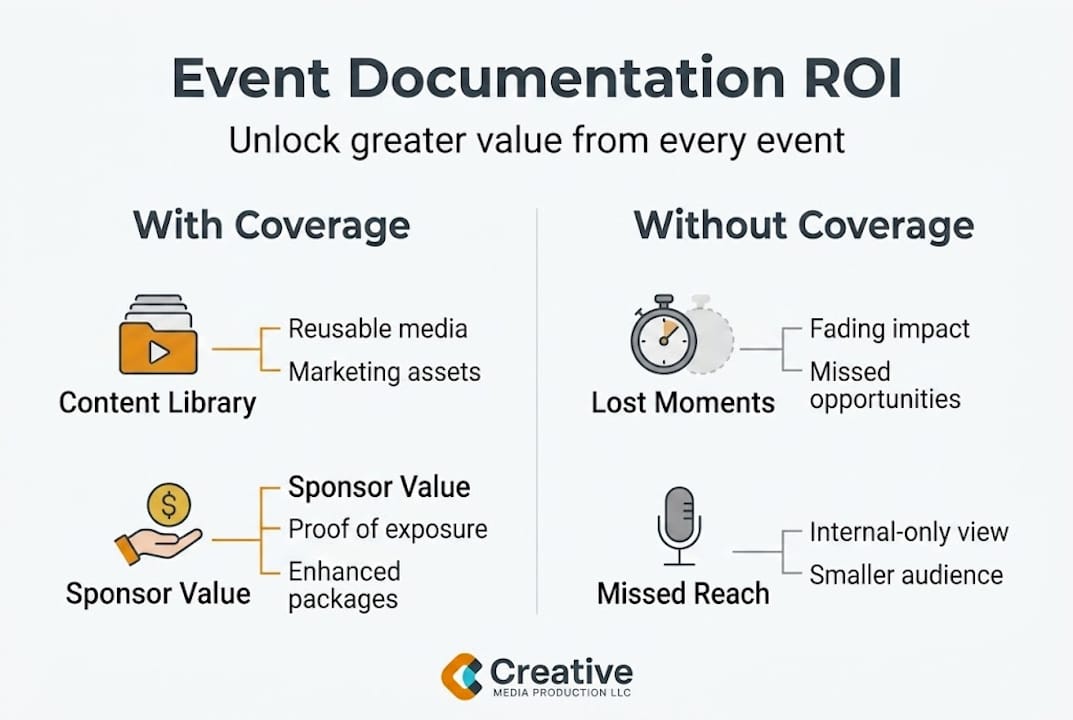
Consistent professional documentation amplifies corporate events across digital platforms and increases engagement far beyond the event date itself. Brands that document consistently build a visual identity that is immediately recognizable.
Here is a clear breakdown of outcomes:
| With professional documentation | Without professional documentation |
|---|---|
| Immediate PR-ready visuals | Scrambling for smartphone photos |
| Sponsor and VIP coverage for relationship building | Sponsors feel undervalued |
| Polished brand story across all channels | Inconsistent or absent brand narrative |
| Higher perceived event quality | Missed credibility signals |
Documenting your VIPs and sponsors deserves special attention. When a sponsor sees professional photos of their logo, their team, and their name prominently featured in polished post-event content, it strengthens the relationship for next year’s renewal. That visual thank-you carries more weight than an email recap ever could.
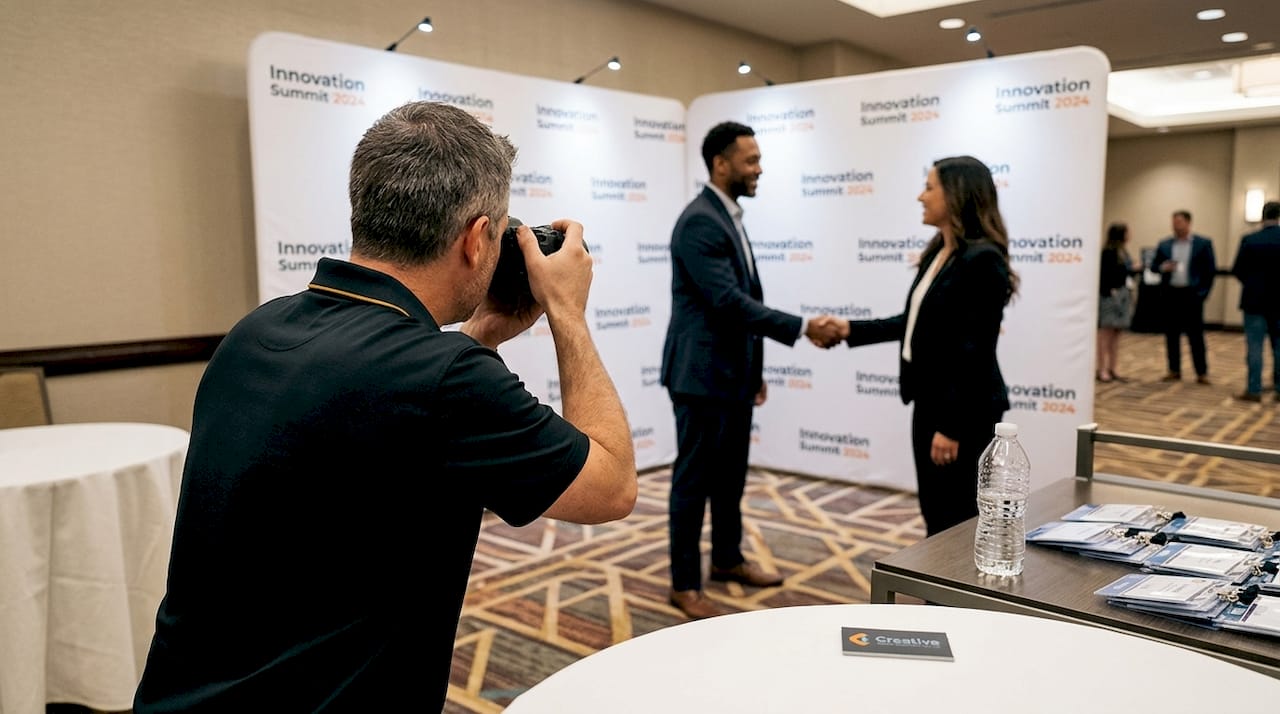
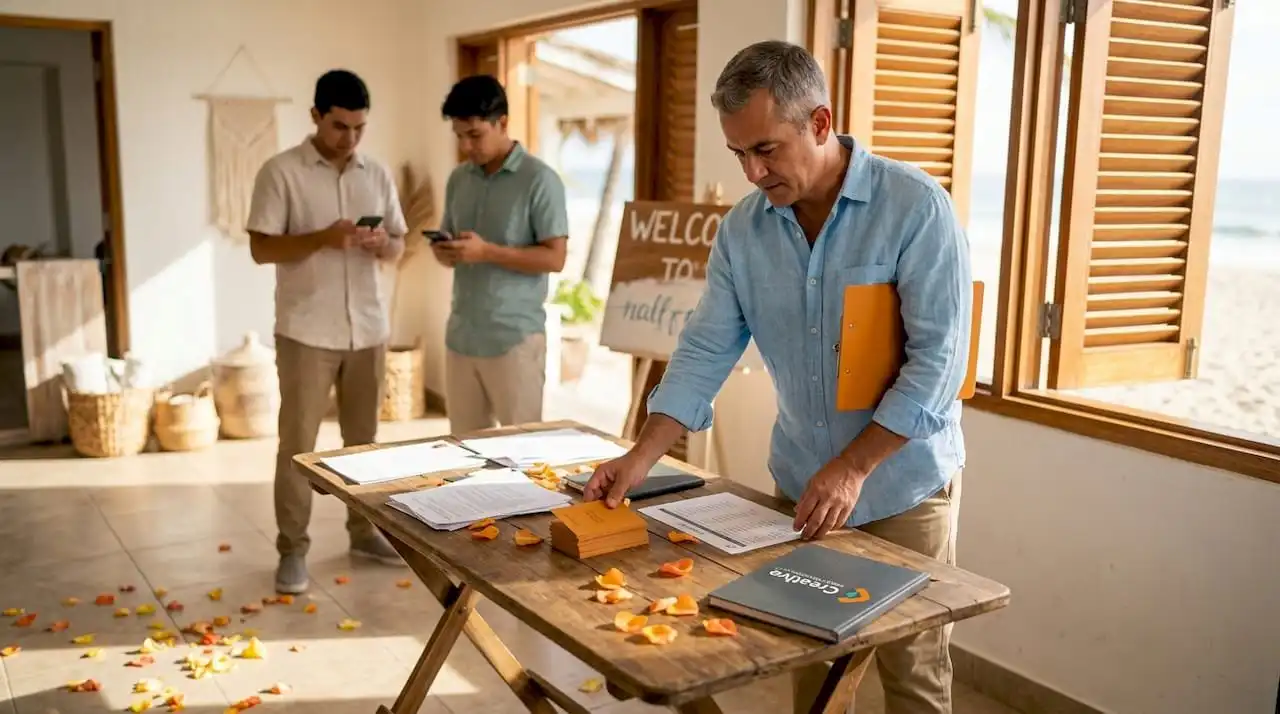
Pro Tip: Create a short brief for your documentation team that lists every sponsor and VIP by name and explains how they should be featured. This takes 20 minutes but dramatically improves the strategic value of your final content.
The types of event photography you commission also affect ROI. Editorial-style candids build authenticity. Staged portraits add formality and press utility. Environmental wide shots establish place and scale. A smart mix of all three gives your marketing team maximum flexibility after the event.
For Oahu-based organizations, there is an added layer of value. Your events happen against one of the world’s most visually compelling backdrops. Properly planning event documentation means making the most of that environment rather than treating it as incidental.
Best practices: How professionals capture memorable corporate events
Understanding the benefits is great, but how do professionals consistently achieve impactful event coverage?
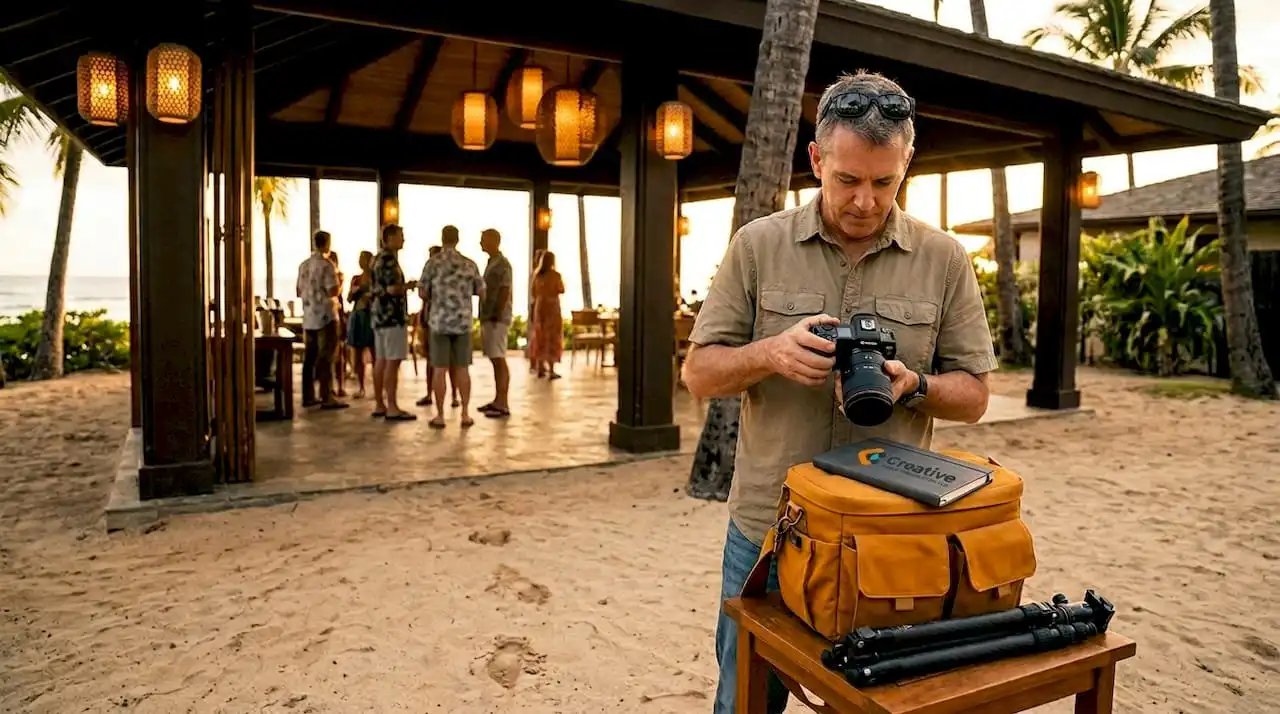
It starts well before the event itself. Experienced event photographers build a pre-event shot list, arrive early to scout the venue, carry dual cameras, shoot in aperture priority mode, use burst mode for key moments, and balance candid coverage with intentional portraits. These are not optional extras. They are the baseline for professional-grade results.
Here is the standard workflow that separates quality event coverage from amateur snapshots:
- Brief and discovery: Meet with the event team to understand brand goals, key moments, and VIP priorities
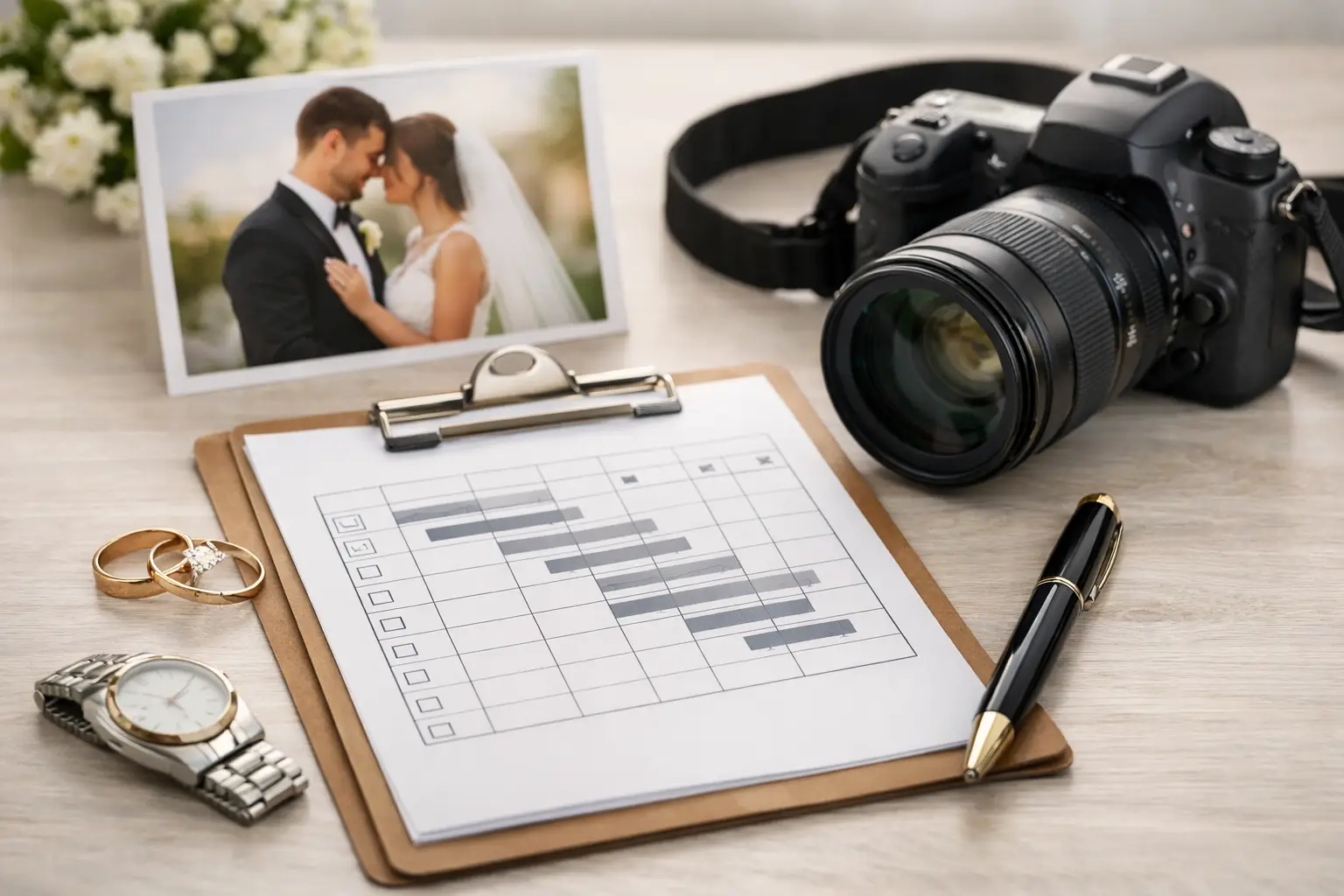
- Shot list creation: Build a prioritized list of must-capture moments, people, and brand elements
- Venue walkthrough: Identify lighting challenges, restricted zones, and ideal angles in advance
- Equipment preparation: Test all gear, bring backup cameras and lenses, check battery packs
- Day-of execution: Arrive 60 to 90 minutes early, establish positions, coordinate with event staff
- Capture the arc: Document setup, arrival, programming, candid networking, and wrap
- Post-event delivery: Curate, edit, and deliver content within the agreed turnaround window
For low light event scenarios, which are common at Oahu corporate dinners and evening receptions, fast lenses with wide apertures are essential. Shooting at f/1.8 or f/2.8 allows clean exposures without disruptive flash in sensitive settings.
“Covering a corporate event well means adapting constantly. The shot list is your anchor, but the best moments happen between agenda items.”
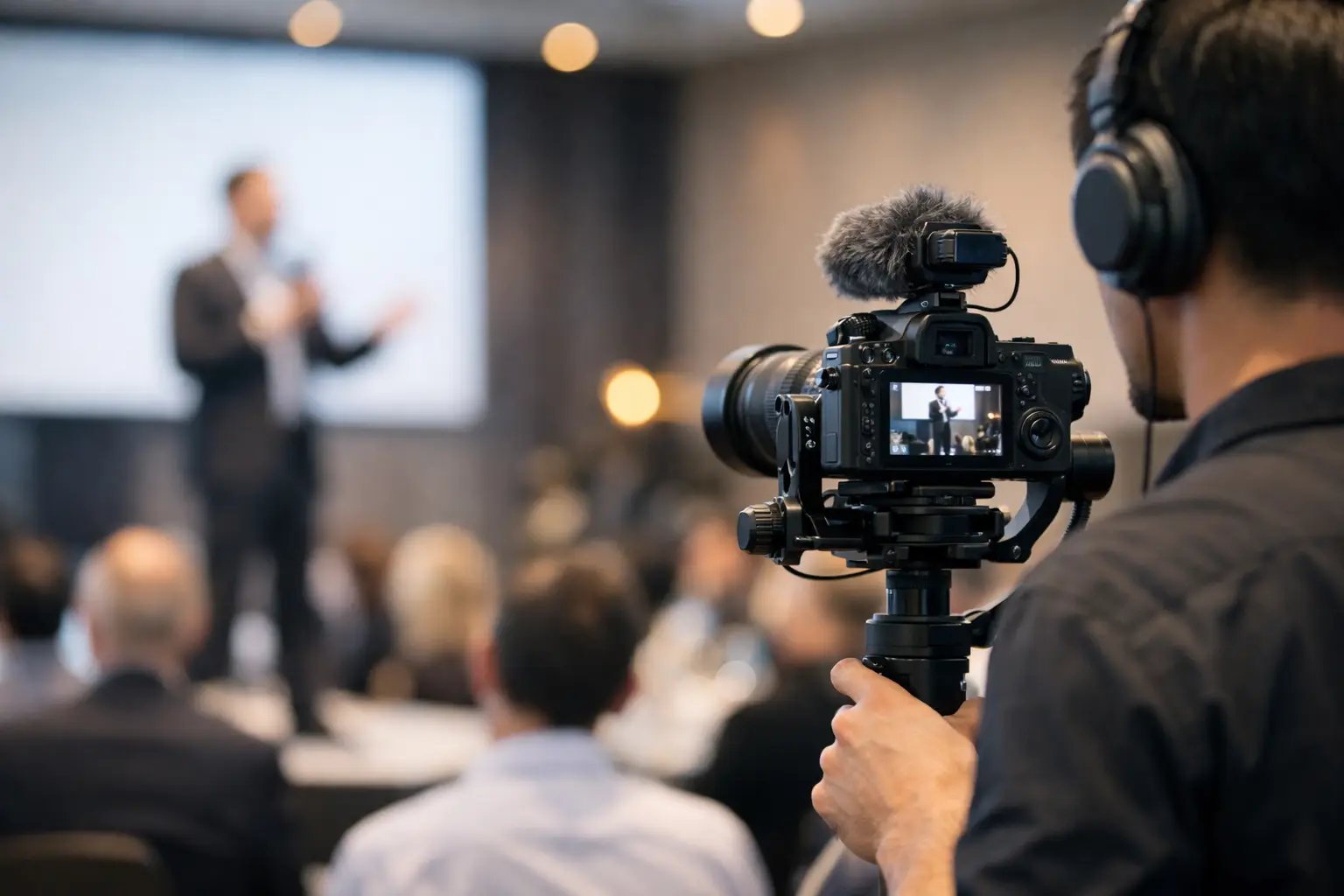
Prioritizing VIPs and sponsors, adapting to low light, and covering multi-room events requires both advanced gear and real teamwork. A solo photographer will always miss something. For larger events, two-photographer or photographer-plus-videographer teams are the professional standard.
Understanding event photography terminology before your first planning meeting puts you in a stronger position to communicate exactly what you need. And working with a team that also understands event videography steps means your photo and video content will feel cohesive rather than disconnected.
Common challenges in corporate event documentation (and how to solve them)
Even with preparation, real-time challenges impact event documentation. Here is how pros handle them.
Lighting is the most consistent villain in event photography. Indoor ballrooms, rooftop venues, and evening settings on Oahu create wildly different exposure conditions, sometimes within the same event. The solution is preparation: visit the venue beforehand, test your equipment in similar conditions, and never rely on a single lighting approach.
Edge cases like low light, no-flash zones, multi-room logistics, and unexpected weather all require advanced gear and careful planning. A photographer who has not prepared for these scenarios will deliver inconsistent results.
Here are the most common documentation challenges and the professional fixes:
- Low light interiors: Use fast primes, high ISO, and off-camera flash where allowed
- No-flash restrictions: Switch to available light with wide apertures and image-stabilized lenses
- Simultaneous sessions: Deploy a second photographer or videographer for multi-room coverage
- Tight schedules: Pre-assign positions based on the run-of-show so no key moment is missed
- Brand inconsistency: Brief the team on brand colors, logos, and visual standards before arrival
“The real risk is not capturing a bad photo. It is missing the moment entirely because you were not positioned correctly.”
For Oahu events, outdoor venues add weather unpredictability to the mix. Trade winds, afternoon rain, and shifting light throughout the day all require experienced judgment calls on the fly. Planning documentation logistics in advance reduces last-minute chaos significantly.
Choosing the right event team means finding professionals who have handled these exact challenges in local venues. Experience in Oahu’s specific conditions is not a bonus. It is a meaningful advantage.
Transforming documentation into engaging brand stories
Once you have captured quality footage, the work is not done. Here is how the best brands leverage it for ongoing impact.
Event media becomes a primary tool for marketing campaigns, PR, employee recruitment, and stakeholder engagement long after the event itself concludes. The brands that win at content marketing are usually the ones treating every event as a production.
Here is how to use your event documentation strategically:
- Website: Refresh homepage imagery and team pages with current, authentic visuals
- Social media: Schedule a series of posts over four to six weeks using photos and short video clips
- Press and media: Pitch event coverage to local Oahu publications and industry outlets with ready-to-use imagery
- Recruitment: Feature culture and team moments in job postings and LinkedIn company pages
- Internal channels: Share recap videos with employees across locations to build community
Tailoring your event photo formats for different platforms is equally important. A vertical crop optimized for Instagram Stories performs very differently from a wide landscape shot suited for a website banner. Request multiple crops and formats from your photography team at delivery.
| Content type | Best platform | Ideal format |
|---|---|---|
| Highlight reel | LinkedIn, website | 60 to 90 second video |
| Candid moments | Instagram, Facebook | Square or portrait photo |
| Speaker portraits | Press, website | Horizontal, high resolution |
| Event recap | Internal, email | Slideshow or PDF gallery |
| Sponsor coverage | Partner channels | Branded photo with logo |
Using video storytelling is particularly powerful for Oahu-based companies looking to attract mainland or international clients. A well-produced two-minute event highlight video does more for brand perception than any brochure ever could.
Our take: What most organizers overlook about documenting corporate events
After more than 15 years covering events across Oahu, we have watched brilliant events leave almost no digital footprint. The organizer checked the photography box, hired someone affordable last minute, and received a folder of forgettable images that never got used.
The real opportunity is in adopting a content-first mindset before the event even begins. That means briefing your visual team on your actual business goals, not just the run-of-show. It means thinking about where each photo will live and who will see it. It means treating documentation as a storytelling project, not a recordkeeping task.
The hidden ROI of consistent event storytelling compounds over time. Organizations that document every corporate event well build a visual brand archive that tells a growing story. Sponsors, recruits, and clients see an organization that is active, credible, and worth investing in.
Bland checkbox documentation is a real risk. Great event photo options paired with intentional creative direction produce assets your team will actually use. That is the difference between documentation and brand building.
Ready to elevate your corporate event storytelling?
If you are ready to transform your next Oahu corporate event into a lasting brand asset, we are here to help you do exactly that.
Our team of Oahu corporate event photographers brings over 15 years of on-island experience to every engagement. We understand local venues, lighting conditions, and the storytelling goals of Oahu businesses. Whether you need a full photo and video package or targeted event photography options for a specific function, we customize every project to your brand and budget. Explore our professional brand photography services or reach out today for a personalized consultation. Your next event deserves more than a camera in the room.
Frequently asked questions
What are the main advantages of documenting corporate events?
Documenting your event creates reusable brand marketing content, increases ROI, and helps tell your organization’s story across multiple channels. Professional documentation amplifies event reach and post-event impact well beyond the day itself.
How can I get the best photos and videos at my corporate event?
Work with a professional team, provide a clear shot list, and communicate key moments and VIPs before the event begins. Pre-event shot lists and venue scouting are industry best practices that directly improve final results.
What challenges do event photographers face and how are they solved?
Photographers tackle low light, multi-room setups, and tight schedules with specialized gear, teamwork, and careful advance planning. Low light and multi-room logistics are among the most common challenges requiring professional-level preparation.
How do event photos and videos support long-term brand goals?
High-quality visuals are repurposed for marketing, PR, recruiting, and building long-term brand credibility with clients and partners. Event media drives ongoing brand marketing and stakeholder communications for months after the event concludes.