TL;DR:
- Effective visual storytelling enhances attendee engagement and reinforces brand messaging.
- Storyboarding and interactive booths create memorable experiences tailored to Oahu’s unique environment.
- Partnering with local media experts ensures authentic, culturally resonant event content.
Corporate events in Oahu face a unique challenge: attendees arrive with sky-high expectations, surrounded by one of the most visually stunning environments on the planet. Generic slide decks and standard ballroom setups simply do not cut it anymore. Planners who want to leave a lasting impression need to treat visual storytelling as a core business tool, not an afterthought. This article walks you through proven media strategies, from storyboarding and interactive booths to hybrid event production, so you can create experiences your attendees will talk about long after the event ends.
Table of Contents
- Defining your event media goals and criteria
- Storyboarding and visual timelines: Raising attendee engagement
- Photo and video booth experiences for real-time interaction
- Hybrid event media: Syncing on-site and virtual storytelling
- A fresh approach: Rethinking event media for Oahu business
- Boost your Oahu event with local media experts
- Frequently asked questions
Key Takeaways
| Point | Details |
|---|---|
| Prioritize storytelling | Craft media around meaningful narratives that connect emotionally with event attendees. |
| Use storyboards | Visual timelines can improve session retention and survey scores while clarifying objectives. |
| Interactive media matters | Photo and video booths drive real-time engagement and help amplify your event’s impact. |
| Plan for hybrid events | Sync on-site and virtual frames with careful prep to enhance the hybrid experience. |
| Leverage local expertise | Partnering with Oahu media professionals ensures high-quality visual storytelling for your event. |
Defining your event media goals and criteria
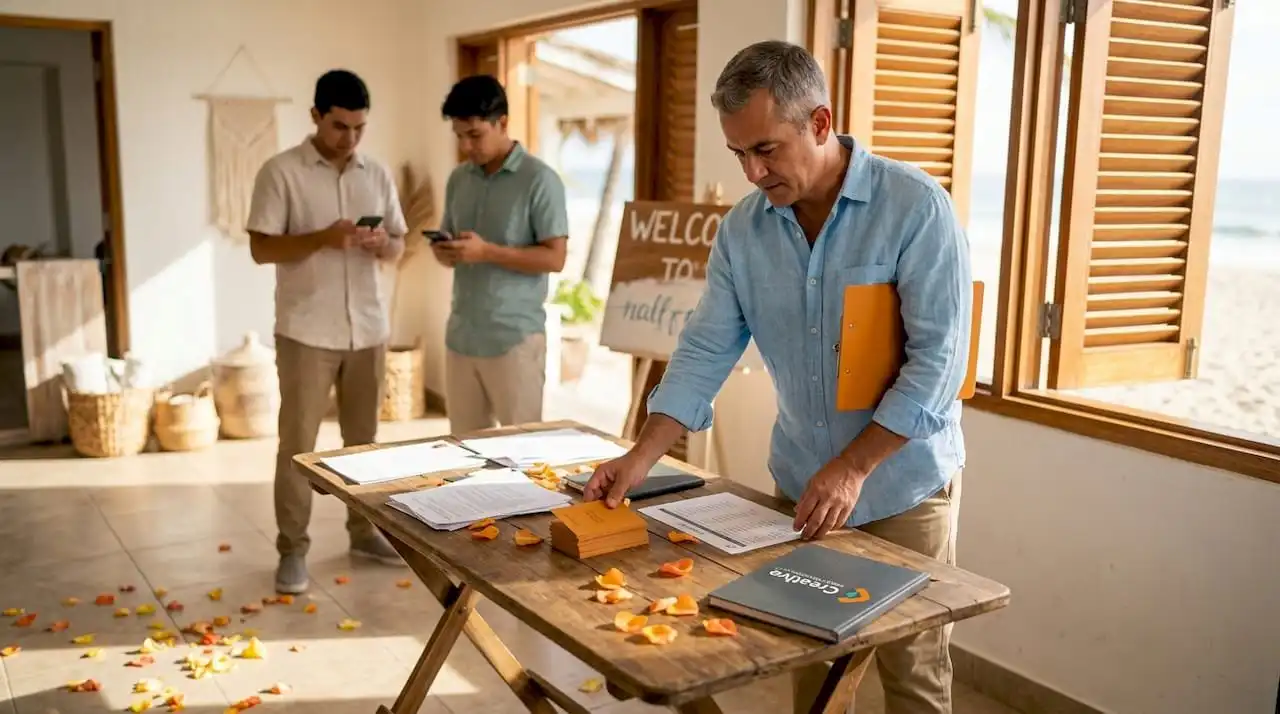
Before you book a single photographer or order a backdrop, you need a clear media strategy. Without one, even the most creative production ideas will miss the mark. Think of your media plan as the blueprint that keeps every visual element aligned with your business objectives.
Start by asking what your event needs to accomplish. Are you launching a product, recognizing top performers, or building community among a distributed team? Each goal calls for a different visual tone. A product launch might demand high-energy, cinematic video content. A leadership summit might call for intimate, candid photography that conveys trust and authenticity. Mapping your media choices to your business outcomes keeps spending purposeful and results measurable.
Next, consider your audience. Oahu corporate events often draw a mix of local professionals, mainland executives, and international guests. Local attendees may respond to content that honors Hawaiian culture and place. Remote or virtual participants need a different approach entirely: clear framing, stable lighting, and clean audio that translates well on a screen. Knowing who is in the room and who is watching remotely shapes every media decision you make.
A practical framework for visual storytelling includes these core elements:
- Business objective: What action or feeling should the media content drive?
- Audience profile: Who is attending in person versus watching online?
- Content lifecycle: Where will photos and videos go after the event? Social media, internal communications, press releases?
- Brand tone: Should the visual style be formal, celebratory, educational, or energizing?
- Budget allocation: How much should go to photography, video, and post-production?
Storytelling transforms corporate events by creating emotional connections through human narratives, interactive activities, and post-event content repurposing. That last point matters more than most planners realize. A well-shot event video does not just document what happened; it becomes a recruiting tool, a client pitch asset, and social proof all in one.
Working with experienced media production in Oahu professionals from the start ensures your media plan is technically sound and creatively aligned before a single frame is captured.
Pro Tip: Build your post-event repurposing plan before the event begins. Decide in advance which clips will go on LinkedIn, which photos will anchor your next email campaign, and which footage will appear in your company’s year-end highlights reel. Planning this upfront shapes what your photographer and videographer prioritize on the day.
Storyboarding and visual timelines: Raising attendee engagement
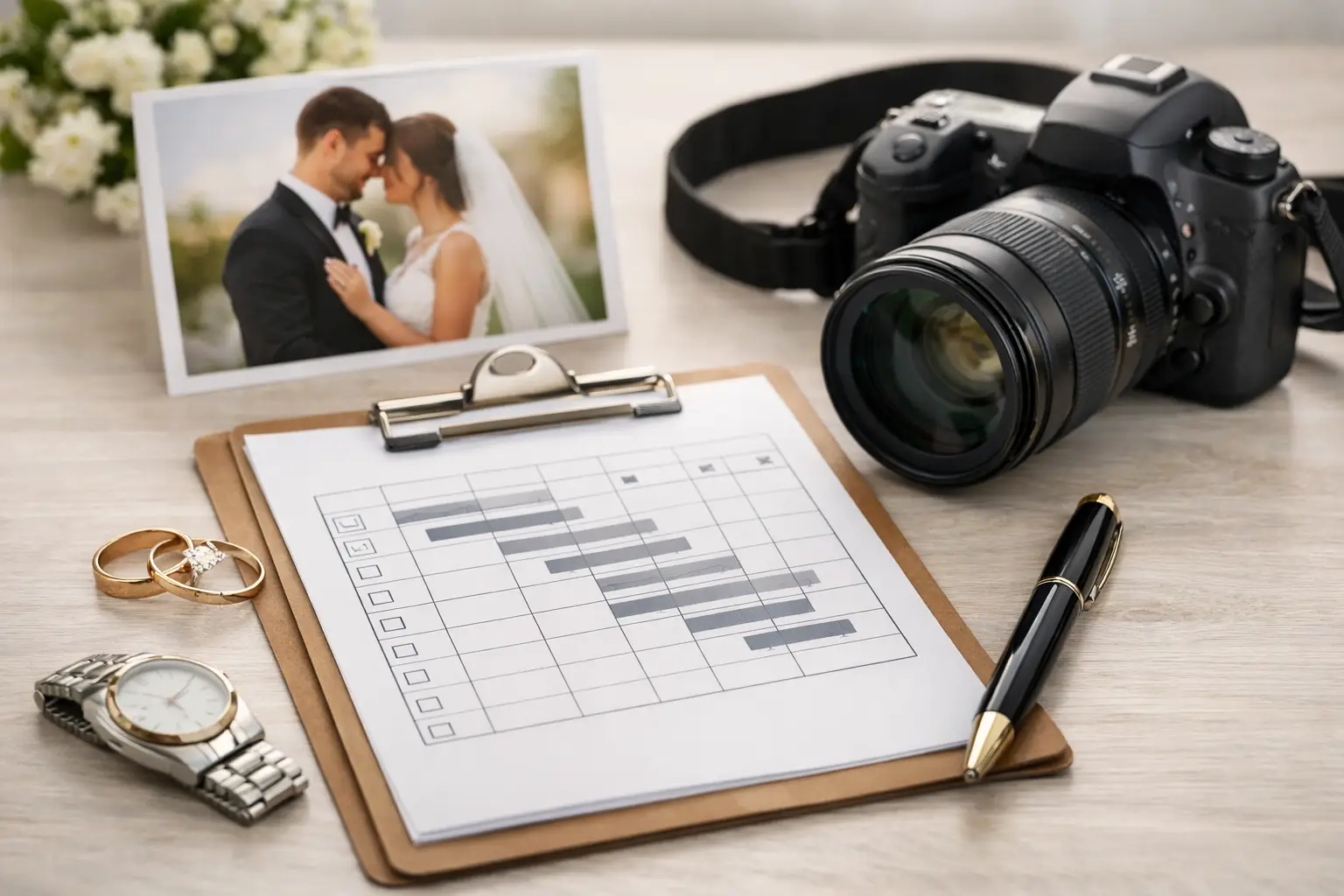
Once your goals are locked in, storyboarding is the single most effective tool for turning those goals into a coherent visual experience. Most corporate planners associate storyboarding with film production, but it applies just as powerfully to live events. Think of it as a session-by-session map of how your event will look, feel, and flow on camera.
Event storyboarding uses visual timelines linking business objectives to audience emotions, boosting session retention by 22% and post-event survey scores by 18%. Those numbers are significant. They mean that when attendees experience a well-paced, visually cohesive event, they absorb more content and leave with a stronger impression of your brand.
Here is how the impact breaks down at a glance:
| Metric | Without storyboarding | With storyboarding |
|---|---|---|
| Session retention rate | Baseline | Up 22% |
| Post-event survey scores | Baseline | Up 18% |
| On-site photographer prep time | High | Reduced |
| Content repurposing success | Low | High |
For Oahu events specifically, storyboarding can incorporate the island’s natural flow: morning light near Diamond Head, midday ocean-facing meeting rooms in Waikiki, or golden-hour networking sessions on a Ko Olina lawn. These are not just backdrops. They are emotional anchors that reinforce the story you are telling.
Steps for building your Oahu event storyboard:
- Define key moments: Opening address, panel discussions, award ceremonies, networking breaks, and closing remarks each deserve a visual note.
- Sketch the emotional arc: Should energy build toward a climax, or stay consistent throughout? Map this explicitly.
- Assign visual styles per session: Candid for networking, formal for keynotes, wide-angle for group activities.
- Brief your media team: Share the storyboard with your planning event photography lead at least four weeks out.
- Review shot lists: Have your step-by-step videography crew walk through the storyboard and flag any technical challenges before the event day.
“Start your storyboard 10 to 12 weeks before the event. Early planning gives your media team time to scout locations, test lighting, and align on timing without blowing your contingency budget.” Artfolio, Storyboarding Corporate Events
The most common mistake planners make is treating the storyboard as a rigid script. Use it as a flexible guide. Oahu events often produce unexpected moments, an impromptu hula performance, a stunning sunset that transforms your outdoor reception, or a speaker who generates an emotional standing ovation. A good storyboard gives your media team enough structure to anticipate the expected and enough flexibility to capture the magic.
Photo and video booth experiences for real-time interaction
From planning the event narrative, the next step is activating that story in real time. Interactive media booths are one of the most reliable tools for doing exactly that. They pull attendees out of passive listening mode and give them a hands-on experience tied directly to your event theme.
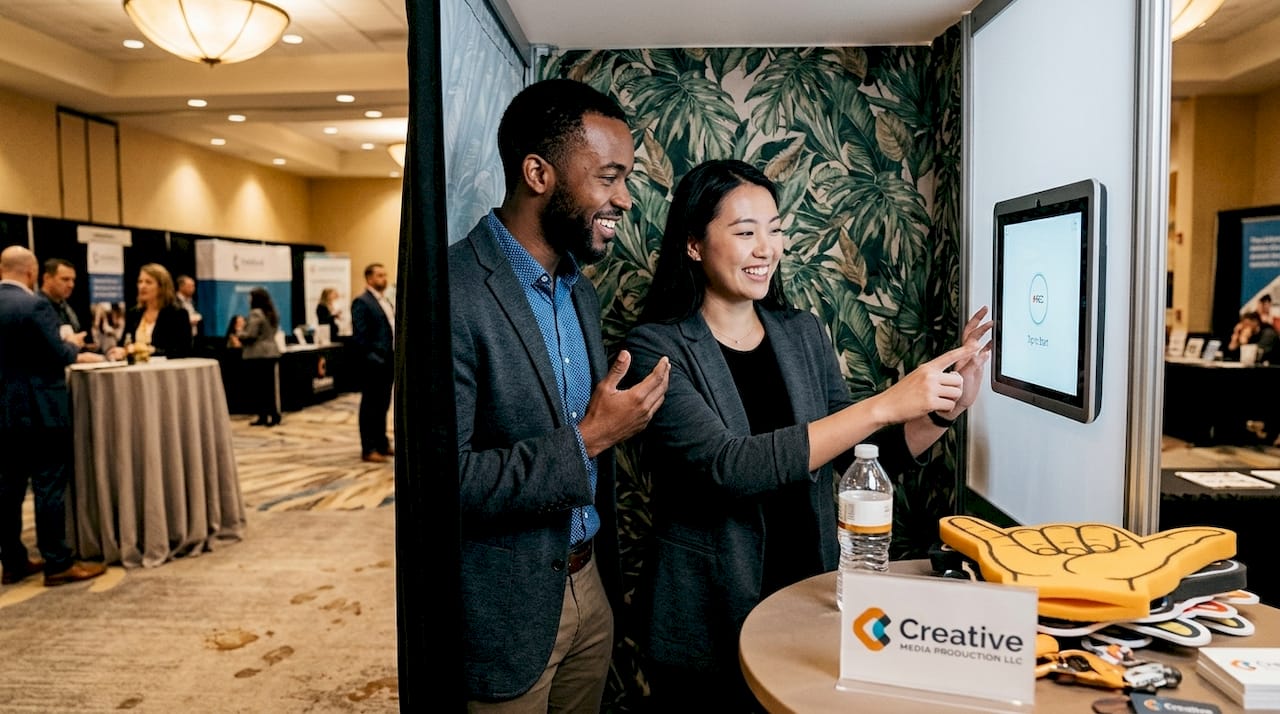
Photo booths and video booths serve different purposes, and choosing the right one depends on your event format:
| Feature | Photo booth | Video booth |
|---|---|---|
| Setup complexity | Low to moderate | Moderate to high |
| Engagement time per attendee | 1 to 2 minutes | 2 to 4 minutes |
| Content output | Branded still images | Short video clips or messages |
| Best for | Networking events, galas, team celebrations | Product launches, testimonial capture, executive summits |
| Social media shareability | Very high | High with proper format |
| Cost range | Lower | Higher |
For Oahu corporate events, locally themed booth setups add a layer of authenticity that generic studios simply cannot replicate. Consider these backdrop ideas:
- Tropical greenery with brand overlay: Combine lush Oahu foliage with a subtle company logo for branded social content that still feels authentic to the island.
- Waikiki skyline at dusk: A curated backdrop using actual photography of the Oahu coastline creates instant connection for attendees visiting from the mainland.
- Cultural textile patterns: Incorporating Hawaiian quilt patterns or kapa-inspired designs into booth frame overlays honors the local culture while reinforcing your brand’s commitment to place.
- Interactive props with local flavor: Leis, surfboards, and local flora make for playful, shareable content without feeling kitschy when executed with care.
- 360-degree spin booths: Increasingly popular for executive events, these create short video loops that attendees love to share on LinkedIn.
Storytelling transforms corporate events through interactive activities that generate emotional connections, and booths are one of the clearest examples of this principle in action.
Once attendees have content in hand, instant sharing options dramatically increase your event’s social reach. Set up a branded landing page or QR code that pushes photos and video clips directly to attendees’ phones or email inboxes within minutes of capture. Pair this with a branded hashtag and watch your event reach extend well beyond the room.
A corporate recap video built from booth content, candid footage, and polished b-roll gives you a post-event asset that reinforces your brand story for months.
Pro Tip: Position your photo or video booth near a natural gathering point, like the bar, registration table, or networking lounge. Forced traffic flow past the booth dramatically increases participation rates without requiring any additional promotion.
Hybrid event media: Syncing on-site and virtual storytelling
Oahu’s geographic position makes hybrid events not just a trend but a practical reality. When your team is spread across the Pacific, the continental US, or international offices, reaching everyone in one room is often impossible. Hybrid event media bridges that gap, but only when it is planned with the same rigor as your in-person experience.
Hybrid events require synced frames for on-site and virtual attendees; budgeting an extra 8% in prep time offsets errors and results in a smoother combined experience. That prep time investment pays off fast. Poorly synced hybrid events frustrate both in-room and remote audiences, generating complaints that overshadow the event’s actual content.
Here is a practical checklist for syncing your on-site and virtual storytelling:
- Unified visual language: Use consistent slide templates, color palettes, and lower-thirds for both the live stage and the virtual stream.
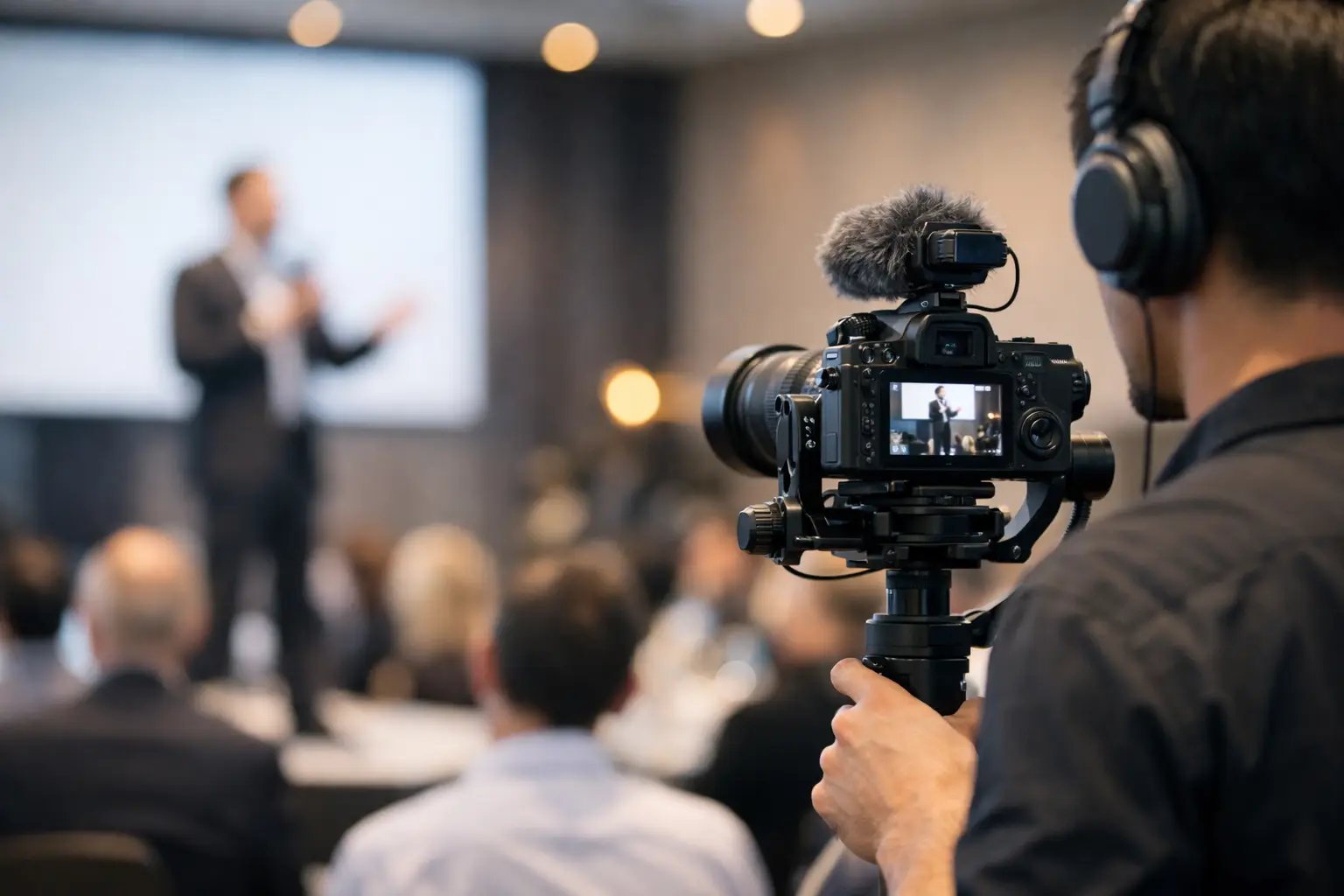
- Dedicated remote camera angle: Assign one camera specifically to capture presenter close-ups optimized for streaming, separate from the wide-angle room camera.
- Live stream monitor on-site: Give your on-site production team a visible monitor showing exactly what remote viewers see so they can catch framing issues instantly.
- Synchronized content drops: Release supporting documents, polls, and Q&A prompts at identical times for both audiences.
- Post-production alignment: Edit the recap video so that both in-room energy and virtual participation are represented fairly, not just the on-site highlights.
- Audio redundancy: Run dual audio capture with a primary and backup system to protect against the most common hybrid failure point.
Effective hybrid event media planning starts with your storyboard, then layers in the virtual audience’s needs at every stage. When you treat both audiences as equally important from the start, the production feels seamless rather than stitched together.
Pro Tip: Assign a dedicated “virtual audience producer” whose only job during the event is to monitor the remote stream, manage chat engagement, and flag technical issues in real time. This single hire consistently produces the biggest improvement in hybrid audience satisfaction scores.
A fresh approach: Rethinking event media for Oahu business
Here is an opinion that might push back on what you have been told: the biggest mistake corporate planners make in Oahu is spending money on trendy media gear while ignoring the most powerful visual resource they already have. The island itself.
Generic photo booths, cookie-cutter recap videos, and stock-photo-style event photography all share one flaw. They could have been shot anywhere. They carry no sense of place, no authentic emotional texture, and no connection to the reason your event happened here instead of in Phoenix or Chicago.
Oahu’s cultural depth, its landscapes, its people, and its traditions offer a visual vocabulary that no other destination can replicate. The planners who tap into that vocabulary, thoughtfully and respectfully, produce events that attendees remember not just because of what was said but because of how it felt to be there.
Smarter media integration beats costly trends every time. Rather than chasing the latest 360-degree LED wall or drone flyover, invest in creative media concepts that use authentic local context as the foundation. A well-timed photograph of your keynote speaker against a real Oahu sunset tells a stronger story than any engineered backdrop.
Look for the overlooked visual cues: the texture of local stone, the movement of trade winds through a tent, the warmth of natural light at 5 PM on the leeward coast. These are your real media assets.
Boost your Oahu event with local media experts
Applying everything covered in this article takes more than good intentions. It takes a production partner who knows Oahu’s venues, understands local light and culture, and has the technical depth to execute across photography, video, and hybrid formats.
Creative Media Productions has spent over 15 years delivering corporate event coverage for businesses across Honolulu, Waikiki, Kailua, and beyond. Whether you need professional brand event photography for your next leadership summit or full video production services for a hybrid conference, our team builds a custom plan around your goals, timeline, and brand. Reach out for a consultation and see how local expertise translates into media that actually works for your business.
Frequently asked questions
How early should event planners start storyboarding corporate event media?
Professionals recommend starting storyboarding 10 to 12 weeks before the event for maximum effectiveness, giving your media team time to plan, scout, and prepare.
What impact does visual storytelling have on attendee engagement?
Event storyboarding boosts retention by 22% and post-event survey scores by 18%, meaning attendees absorb more and leave with a stronger impression of your brand.
How do hybrid events sync on-site and virtual media?
Hybrid events use synced frames and budget an extra 8% in prep time to align in-person and remote media, resulting in fewer technical errors and a smoother experience for all audiences.
What are the best interactive media options for corporate events in Oahu?
Interactive activities like photo and video booths, instant-share setups, and locally themed backgrounds consistently rank as top choices for driving real-time attendee participation at Oahu corporate events.