Category: Corporate Media

Professional corporate event photography and videography in Oahu, capturing conferences, product launches, and business events with polished media coverage.

  • Funeral Videography Services Oahu Families Trust

    Funeral Videography Services Oahu Families Trust

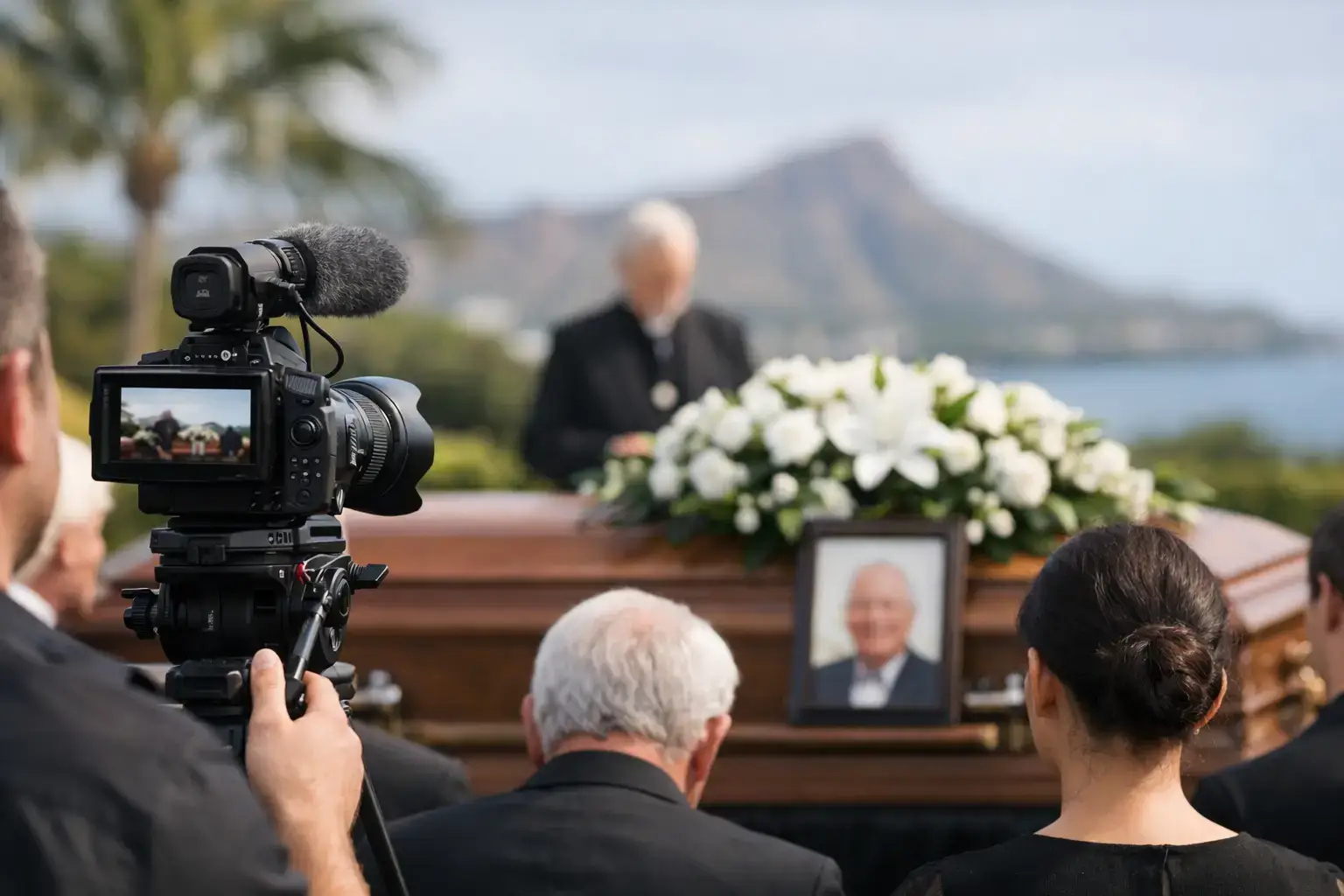
    Some moments are too important to trust to chance. When family and friends gather to honor a life, professional funeral videography services Oahu families can rely on provide a way to preserve words, faces, music, and quiet gestures that may otherwise blur in an emotional day.

    For many families, memorial coverage is not about producing something elaborate. It is about making sure loved ones on the mainland, relatives overseas, elders who cannot travel, and future generations can witness the service with clarity and dignity. On Oahu, where families are often spread across islands and across the world, that need is especially real.

    Why funeral videography matters more than people expect

    A memorial service moves quickly. A eulogy lands with weight in the room, a song begins, someone embraces at the end of a prayer, and before you know it, the day has passed. Families often remember the feeling of the service, but not every detail. Video helps preserve both.

    That matters for practical reasons and emotional ones. Some relatives cannot attend because of age, health, military deployment, or travel cost. Others may be present but too overwhelmed to fully take in what was said. A thoughtfully filmed memorial allows them to revisit the service when they are ready, not only when grief is at its sharpest.

    There is also a difference between having any recording and having a well-produced one. A phone set on a chair may capture fragments. Professional coverage captures the full story – clear audio of speeches, steady visuals of meaningful moments, and respectful framing that honors the tone of the occasion.

    What to expect from funeral videography services on Oahu

    The best funeral videography services Oahu providers offer are built around discretion. This is not an event where a production team should feel visible or intrusive. Families need calm communication before the service, punctual arrival, quiet operation during the ceremony, and dependable delivery afterward.

    Planning usually begins with a short consultation. That conversation should cover the location, service order, family preferences, religious or cultural considerations, and whether the final video is meant for private family use, memorial sharing, or a broader celebration of life.

    Coverage often includes the arrival of guests, the ceremony itself, eulogies, musical performances, photo displays, military honors if applicable, and post-service greetings. Some families want only a clean documentary recording of the full service. Others prefer a shorter cinematic memorial film that highlights key moments. Neither approach is better across the board. It depends on how the family hopes to preserve and share the day.

    Choosing the right style for a memorial video

    A full-length service recording serves a clear purpose. It preserves the event exactly as it happened, in order, with complete speeches and songs. This option is often best for families who want an archival record or need to share the ceremony with relatives who could not attend live.

    A highlight film serves a different need. It condenses the day into a more watchable memorial piece, often combining key visuals, selected remarks, and music into a shorter format. This can feel more personal and accessible for sharing with extended family.

    Sometimes the right answer is both. A family may want the full ceremony preserved while also receiving a shorter film to send privately to loved ones. That choice typically comes down to budget, intended use, and how much of the service includes spoken tributes worth preserving in full.

    The details that make funeral videography feel professional

    In memorial coverage, technical quality is not about flash. It is about reliability. Audio matters as much as visuals, and often more. If a eulogy cannot be heard clearly, the most meaningful part of the service may be lost. A professional team plans for this by using dependable microphones and backup recording methods, especially in chapels, mortuaries, outdoor sites, and graveside services where sound conditions can change quickly.

    Camera placement matters too. The goal is to document the service without distracting mourners. That means stable framing, respectful distance, and an understanding of where key moments will happen before they begin. Lighting can also vary widely in churches, funeral homes, beachside gatherings, and cemetery settings across Oahu, so experience in mixed conditions is important.

    Fast turnaround is another detail families value more than they may expect. After a funeral, there is often immediate need to share the recording with relatives who were unable to attend. Prompt delivery reduces stress and helps families stay connected during a difficult week.

    Local experience matters on Oahu

    Oahu services come with local considerations that out-of-area vendors may overlook. Traffic timing between Honolulu, Kailua, Kapolei, Waikiki, and the North Shore can affect arrival planning. Outdoor memorials may need backup plans for wind, bright sun, or sudden rain. Some families are coordinating guests flying in from neighbor islands or the mainland, while others are organizing a service around cultural traditions that require sensitivity and preparation.

    A local videography team brings more than equipment. They bring familiarity with venues, travel timing, and the pace of event logistics on the island. That kind of preparation helps keep the day calm and avoids unnecessary friction for families already handling enough.

    Questions families should ask before booking

    Not every event videographer is the right fit for a funeral. Weddings and corporate events require professionalism, but memorial coverage requires a different kind of presence. Families should feel comfortable asking how the team approaches funerals, how they remain unobtrusive, and what steps they take to protect the dignity of the service.

    It is also smart to ask about audio capture, delivery timelines, editing options, and whether live streaming is available if guests cannot attend in person. Some services need only a single camera and simple editing. Others may benefit from multi-camera coverage, especially if the venue is large or the program includes several speakers and musicians.

    Pricing can vary based on hours of coverage, location changes, and the type of final deliverables requested. Cheaper is not always better here. A low-cost option that misses key audio or delivers late can create more disappointment than savings. For many families, peace of mind is worth investing in.

    A respectful process makes the day easier

    The strongest service providers understand that this is not just about filming. It is about reducing pressure on the family. Clear communication before the event helps everyone know what will be captured and what will not. A dependable team arrives on time, dresses appropriately, coordinates quietly with venue staff, and adapts without needing constant direction.

    That level of professionalism matters because family members should be free to be present. They should not be adjusting tripods, checking battery life, or worrying whether a reading was recorded. They should be able to focus on honoring their loved one.

    For families seeking premium, compassionate coverage, Creative Media Production LLC approaches memorial videography with the same craftsmanship and reliability it brings to every event category, while recognizing the care and sensitivity this setting requires.

    When videography may not be the right choice

    There are situations where a family may decide not to film the service, and that is a valid choice. Some gatherings are intentionally private. Some cultural or religious traditions may limit recording. In other cases, families may prefer to document only a slideshow, reception, or spoken tributes recorded separately after the ceremony.

    A professional videographer should never push coverage that does not fit the family’s wishes. Good service means listening first, then recommending the approach that feels appropriate.

    Preserving a life with care

    A memorial video cannot lessen a loss, but it can preserve something meaningful from a day that often passes in a blur. It can keep a voice accessible, a tribute audible, and a room full of love visible long after the flowers are gone.

    If you are planning a service and want funeral videography services Oahu families can count on, look for a team that combines discretion, strong storytelling, clear communication, and reliable delivery. In a moment this personal, professionalism should feel comforting, not corporate. And the finished film should feel like what it represents – respectful, polished, and worthy of the person being remembered.
  • How to Pose Camera Shy Couples Naturally

    How to Pose Camera Shy Couples Naturally

    The moment a couple says, “We’re awkward in photos,” the session really begins.

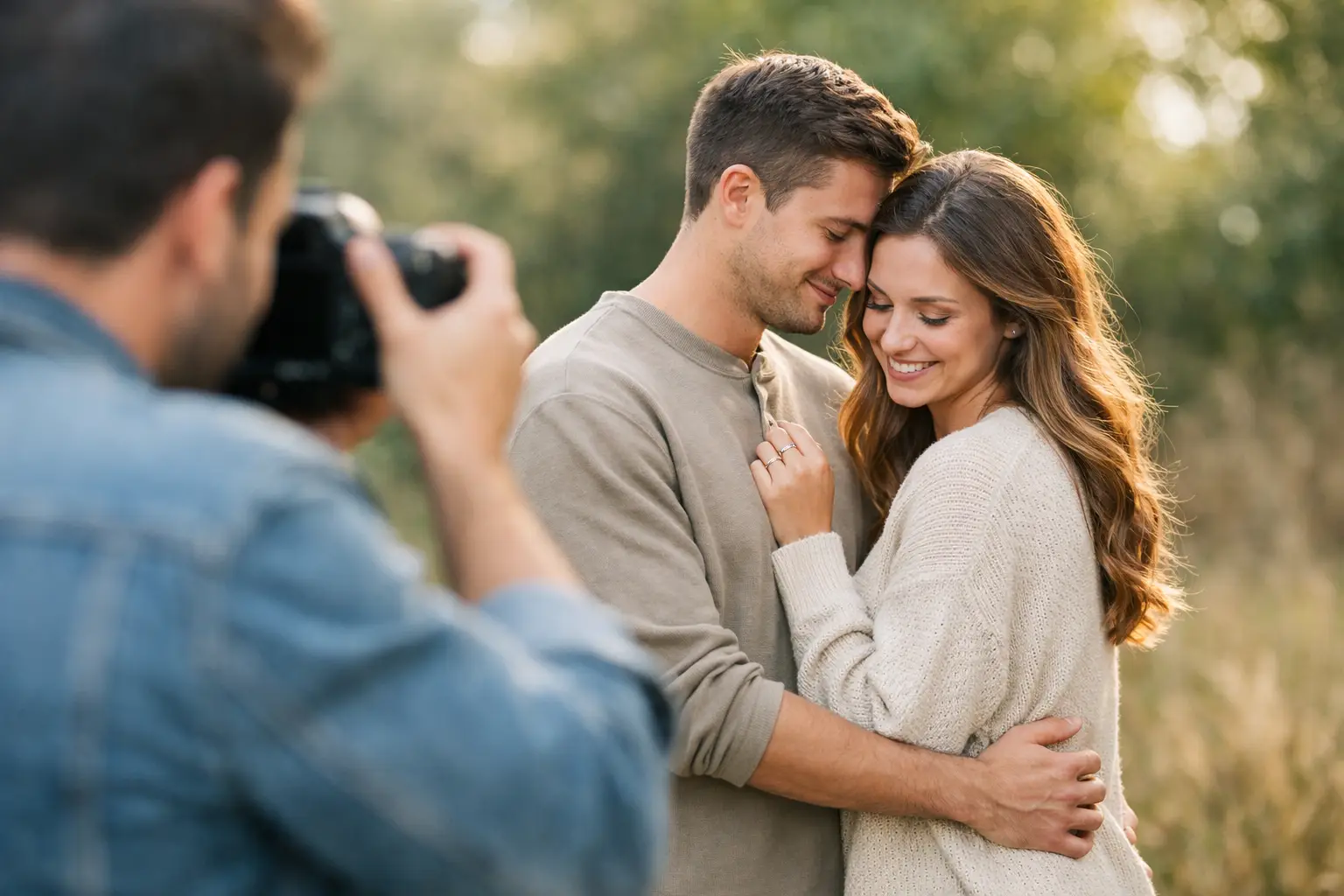
    That line is common, and it rarely means they are truly unphotogenic. More often, it means they do not know what to do with their hands, they feel watched, or one partner is more comfortable than the other. Knowing how to pose camera shy couples starts with removing pressure, not adding more direction. The goal is not to force perfect poses. It is to create enough comfort and momentum that real connection has room to show up.

    For couples on Oahu planning engagement photos, wedding portraits, or a family session, this matters even more. Beautiful light and scenery can only do so much. If the couple feels stiff, the images will too. Strong posing is less about choreography and more about trust, pacing, and clear guidance.

    How to pose camera shy couples without making them stiffer

    The fastest way to lose a camera shy couple is to start with a high-pressure pose and a silent camera. If they are already nervous, putting them in a formal stance and expecting instant chemistry usually creates frozen smiles. A better approach is to begin with movement and keep talking.

    Start with a simple walking prompt. Ask them to walk slowly, shoulder to shoulder, and look at each other for a second instead of the lens. Then have one partner brush the other’s arm, lean in, or say something quietly. These micro-actions give them a job to do. When people have a task, they stop thinking so hard about being photographed.

    This is also where pacing matters. Some couples loosen up in two minutes. Others need twenty. Pushing too fast can make them self-conscious. Staying patient usually pays off with more natural expressions and better body language.

    Begin with easy wins

    Early poses should feel low-risk. Standing side by side, walking hand in hand, or having one person rest a hand on the other’s shoulder works well because it feels familiar. You are not asking them to perform romance on command. You are easing them into proximity.

    Give direction in small pieces. Instead of saying, “Act natural,” say, “Turn your bodies slightly toward each other,” or “Take one small step closer.” Specific direction is reassuring. Vague direction makes nervous people overthink.

    One small adjustment at a time also keeps a pose from collapsing. Fix the feet first, then posture, then hands, then eye line. If you correct everything at once, couples often reset into tension.

    Use prompts, not just poses

    A static pose can look polished, but prompts are what bring it to life. Ask one partner to pull the other in by the hand. Ask them to touch foreheads and breathe for a second. Ask for a quiet joke, a shared memory, or a simple whisper. These are subtle prompts, but they create genuine reactions that look cinematic without feeling staged.

    There is a trade-off here. Too many prompts can feel performative, especially for reserved couples. Too few can leave them standing there unsure of themselves. The right balance depends on personality. Some couples respond well to playful direction. Others need a calmer, more understated style.

    Read the couple before you direct the pose

    Camera shy couples are not all shy in the same way. One partner may be uncomfortable with public affection. Another may dislike being the center of attention. Some are only nervous because they have never had professional photos taken. Reading that difference helps you choose the right level of direction.

    If one partner is clearly more confident, be careful not to build the whole session around that energy. The quieter partner can start to feel like they are failing the session. Instead, give both people equal attention and use poses that let them support each other. A hand squeeze, a shoulder lean, or standing chest to shoulder can create security without asking for exaggerated emotion.

    Watch for physical tells. Locked elbows, raised shoulders, tight hands, and fixed smiles usually mean they need a reset. That reset might be as simple as letting them walk, shaking out their arms, or changing locations for a minute. Good posing direction is not about controlling every detail. It is about noticing when the couple needs space to relax.

    Keep communication calm and precise

    Your tone shapes the session. A camera shy couple needs confidence from the person behind the camera. That does not mean being loud or overly energetic. It means sounding clear, steady, and in control.

    Praise what is working. If their posture looks good, say so. If a moment looks natural, let them know. People repeat what gets affirmed. That creates momentum and helps them trust your direction.

    It also helps to explain why you are making an adjustment. Saying, “Bring your faces a little closer so the photo feels more connected,” is more reassuring than physically moving them without context. Professional direction should always feel respectful and intentional.

    The most flattering poses for camera shy couples

    Not every pose suits every couple, but a few setups are consistently effective because they feel natural and photograph well.

    The walking pose is dependable because it reduces stiffness. The close side-by-side pose is another strong option, especially when both partners angle slightly inward. It creates shape in the body and keeps the connection visible without requiring too much intensity.

    The almost-embrace works well too. Have one partner stand slightly behind or beside the other, with relaxed hands at the waist or forearm. This adds closeness while keeping the pose grounded. Sitting poses can also help, especially if standing makes the couple feel exposed. A seated setup on steps, a bench, or even a blanket can lower tension and create softer posture.

    For couples who are very reserved, looking at each other is often easier than looking at the camera. For couples who feel awkward being romantic, looking out toward the scenery together can be even better. That shared eye line creates connection without pressure.

    Hands matter more than most people think

    Awkward hands can ruin an otherwise strong pose. When people are nervous, their hands either hang stiffly or grip too tightly. Give the hands a purpose. Hold hands loosely. Rest one hand on a shoulder, chest, or waist. Hook an arm naturally. Adjust hair. Straighten a collar. These small actions keep the body engaged.

    The key is keeping contact soft. Tension shows up quickly in fingers and wrists. If a hand looks rigid, ask them to relax and reset rather than forcing the exact placement.

    Use the environment to take pressure off the couple

    A good location does more than look beautiful. It gives the couple something to interact with. That is especially useful on Oahu, where beaches, parks, urban textures, and coastal paths can all support different kinds of posing.

    A shoreline naturally encourages walking. A wall or railing gives couples a place to lean. Steps help create flattering seated variations. Open space allows for movement and breathing room, which is useful if the couple feels self-conscious around other people.

    This is one reason planning matters. When the setting fits the couple’s comfort level, posing gets easier. A busy public beach at sunset may look incredible, but if the couple hates attention, a quieter location often leads to better images. Premium results are not only about scenery. They come from choosing conditions that help people relax.

    When a pose is not working, change the energy

    Sometimes a pose should work on paper and still falls flat. That does not always mean the couple is doing something wrong. It may just be the wrong pose for their personality.

    Instead of over-correcting, shift the energy. If a close embrace feels forced, back them up and have them walk. If smiling looks strained, ask for a quieter moment. If facing the camera feels awkward, turn them toward each other or toward the light. A professional session should feel guided, not rigid.

    This flexibility is what separates a stressful experience from a smooth one. Couples remember how the session felt just as much as they remember the photos. When they feel taken care of, it shows in the final gallery.

    For clients who want polished, story-driven images without feeling over-posed, that balance matters. At Creative Media Production LLC, we see the best results when preparation, clear communication, and calm direction all work together from the first consultation through delivery.

    How to pose camera shy couples for authentic emotion

    Authentic emotion usually appears in the space between poses. It happens after the adjustment, during the laugh, in the quiet second before they realize the camera is still going. That is why the best approach combines structure with room for real interaction.

    Give the couple a strong starting position, then let the moment breathe. Keep them connected. Keep the direction simple. Let movement do some of the work. And when you see a real expression, do not rush past it trying to create something more dramatic.

    Most camera shy couples do not need bigger poses. They need a better experience. When they feel comfortable, respected, and clearly guided, they stop trying to look right and start looking like themselves. That is where the most lasting images come from.

  • Memorial Tribute Video Planning Guide

    Memorial Tribute Video Planning Guide

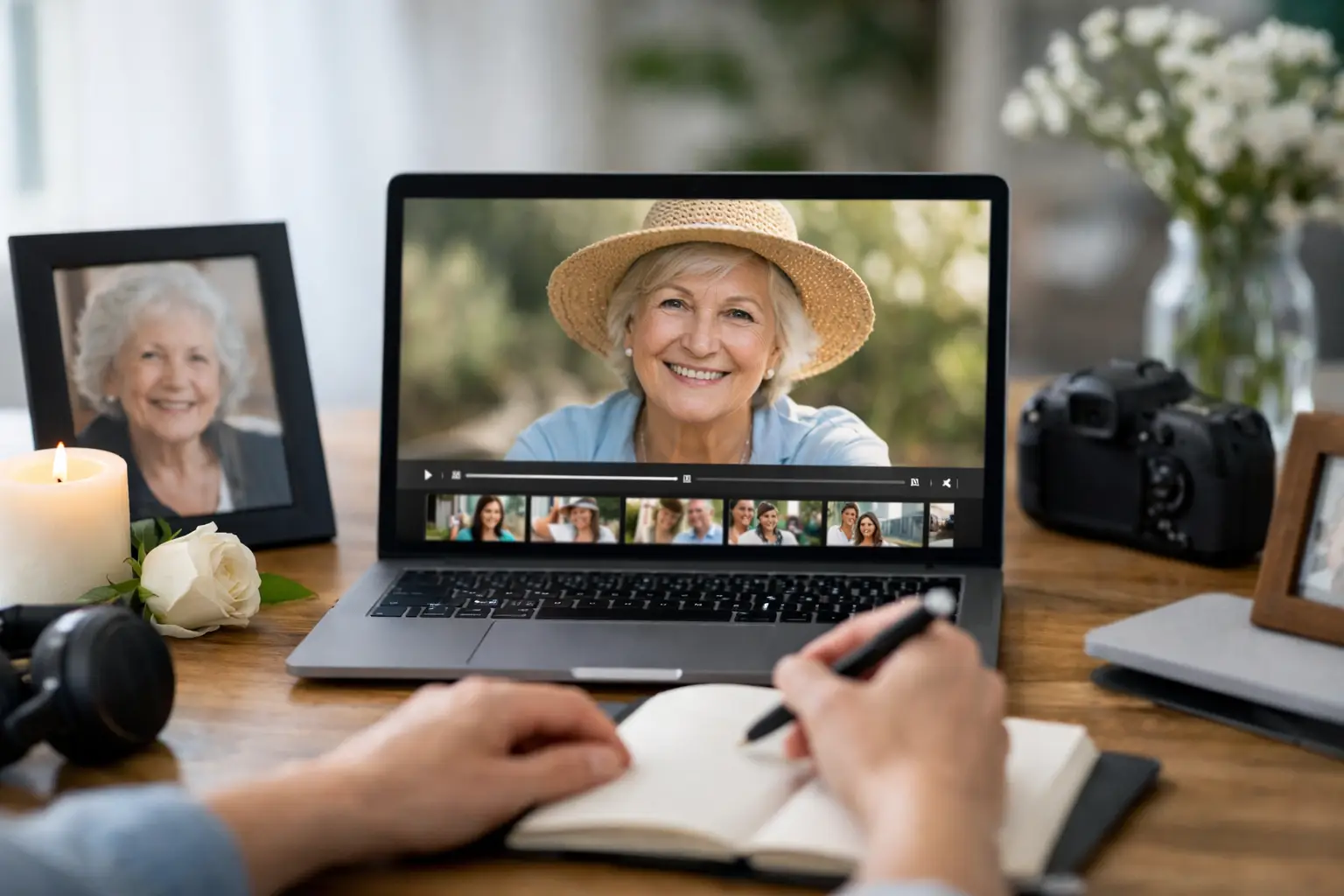
    When families sit down to create a memorial video, the hardest part usually is not the software. It is deciding how to honor a full life in just a few minutes without making the process feel overwhelming. A strong memorial tribute video planning guide helps bring structure to an emotional task, so the final piece feels personal, respectful, and thoughtfully made.

    A tribute video does more than display photos on a screen. At its best, it gives family and friends a shared moment to remember someone clearly – their expressions, milestones, humor, relationships, and quiet everyday presence. That is why planning matters. A little direction up front makes the video feel less rushed, more cohesive, and far more meaningful.

    What a memorial tribute video should do

    A memorial video is not a complete biography, and it does not need to cover every chapter evenly. Its job is to create an emotional throughline that feels true to the person being remembered. For some families, that means a warm and uplifting sequence centered on family life. For others, it may be more formal, faith-centered, or reflective.
    This is where many people get stuck. They assume more photos, more songs, and more text will create a fuller tribute. Usually, the opposite is true. A cleaner edit with the right pacing often carries more weight than a long slideshow packed with every image available.

    The question to ask is simple: what do we want people to feel and remember when the video ends? Once that answer is clear, the rest of the planning becomes much easier.

    Memorial tribute video planning guide: start with the story

    Before sorting files, define the story. Not a script in the formal sense, but a simple narrative shape. You might organize it around life stages, around relationships, or around the qualities the person was known for.

    A chronological structure is often the easiest place to begin. Childhood, school years, marriage, parenthood, community involvement, holidays, and later life create a natural flow that most memorial audiences can follow easily. But chronology is not always the best choice. If someone was widely known for military service, church leadership, surfing, music, or a deep role in the local community, those themes may deserve stronger emphasis than a strict timeline.

    There is also a practical trade-off here. The more ambitious the structure, the more editing care it requires. A thematic video can feel cinematic and deeply personal, but it works best when there is enough material to support it. If the family has a limited photo archive, a simple chronological format may be the strongest option.

    Choose the right photos and video clips

    Photo selection determines the emotional impact of the tribute more than any transition or visual effect. Start by gathering more than you need, then narrow down. Most memorial videos work best when they focus on images that show expression, connection, and recognizable life moments.

    Try to include a balanced mix of portraits and candid images. Formal portraits help establish identity and key milestones, while candid images make the person feel present and familiar. A graduation photo matters, but so does a snapshot of them laughing at a backyard gathering or holding a grandchild.

    Quality matters, but perfection is not required. Older images may be grainy, faded, or scanned from prints, and that is completely normal. What matters more is emotional relevance. If an imperfect image captures who they were, it belongs in consideration.

    For length, a useful range is often 50 to 100 photos for a tribute running about 4 to 8 minutes. That is not a fixed rule. A service with a larger audience and a more formal program may allow for a slightly longer video, while a smaller, more intimate gathering may benefit from something shorter and tighter.

    If you have home video clips, use them carefully. A few short moments of movement – waving, dancing, speaking, walking into frame – can add a powerful sense of presence. Too many long clips, however, can slow the pacing and make the video feel uneven.

    Pick music that supports the room

    Music shapes tone immediately. It is one of the most sensitive choices in any memorial tribute video planning guide because the right song can unify the whole piece, while the wrong one can feel distracting or overly sentimental.

    Start with the setting. A memorial service held in a church, funeral home, beachside gathering, or private family venue may call for very different choices. Consider the audience too. A song that was personally meaningful to the individual may be the perfect fit, but only if it serves the mood of the room and the family is comfortable with it.

    Instrumental music often works well because it allows the images to lead. Songs with lyrics can also be effective, especially when the words reflect faith, love, family, or legacy in a way that feels genuine rather than dramatic. If you use more than one song, make sure the tone change feels intentional. A sudden shift from solemn to upbeat can work, but only when it reflects the person honestly.

    Keep text minimal and meaningful

    Text should support the tribute, not compete with it. Usually, that means opening with the person’s full name, birth and passing dates, and perhaps a short phrase such as “In Loving Memory” or a favorite line that reflects their character.

    Beyond that, restraint is usually better. Some families want captions identifying places, relatives, or life stages. That can help, especially for larger audiences or multi-generational gatherings. But too much on-screen text can make a memorial video feel busy.

    If you plan to include a quote, obituary excerpt, prayer, or short message from the family, place it where it can breathe. A few well-timed text moments are more effective than paragraphs spread throughout the video.

    Build around the service, not just the screen

    A tribute video needs to fit the event plan. That sounds obvious, but timing issues are common. Ask where the video will play – before the service begins, during the formal program, at a reception, or as part of a celebration of life montage running in the background.

    Each option changes how the video should be edited. A centerpiece video shown during the service should be focused and intentional. A looping reception video can be longer and more flexible, because guests may watch in segments rather than all at once.

    You also need to think about technical logistics early. Confirm the screen size, sound system, file format, and who will press play. A beautiful video can still create stress if no one has tested the audio or if the venue equipment is unreliable. This is one reason many families choose professional help. Reliable planning matters just as much as creative execution when the day itself is already emotionally full.

    Why professional editing can make a difference

    Families often begin this process thinking they can assemble the tribute themselves in a slideshow app. Sometimes that works, especially for a very simple presentation. But when the video needs to feel polished, cinematic, and ready for a service, professional editing usually creates a noticeable difference.

    The value is not just visual quality. It is the ability to shape pacing, color-correct older scans, blend photos and clips cleanly, time moments to music, and deliver a finished file that plays properly at the venue. Just as important, it removes pressure from the family during a difficult week.

    For Oahu families planning a memorial or funeral service, working with a team that understands both storytelling and event logistics can help the process feel far more manageable. Creative Media Production LLC approaches memorial coverage with that balance of care, professionalism, and dependable delivery, which matters when timing and sensitivity are equally important.

    Common mistakes to avoid

    The most common mistake is trying to include everything. A tribute becomes stronger when it is curated. Another issue is waiting too long to gather materials, which leads to rushed choices and file problems the night before the service.

    Music mismatches are also common. A song may be personally loved but still feel too fast, too lyrical, or too emotionally heavy for the setting. Finally, many DIY videos suffer from inconsistent image timing. When some photos flash by and others linger too long, the audience feels the edit rather than the story.

    A steady pace, thoughtful sequence, and respectful tone will usually matter more than fancy effects. Clean storytelling wins here.

    A simple way to make decisions when emotions are high

    If your family is struggling to choose what to include, narrow every decision through three filters: does this image feel true to them, does it support the tone of the service, and does it help people remember something real? That approach cuts through a lot of uncertainty.

    No memorial video can capture every memory, every relationship, or every season of a person’s life. That is not a failure of the format. It is simply the nature of tribute. The goal is to create a piece that feels dignified, personal, and steady enough to hold the room for a few meaningful minutes.

    If you are planning one now, give yourself permission to keep it simple, thoughtful, and well-made. People will not remember whether it used elaborate effects. They will remember whether it felt like the person they came to honor.

  • 25 Wedding Photographer Questions to Ask

    25 Wedding Photographer Questions to Ask

    Most couples can tell within five minutes whether they like a photographer’s images. The harder part is figuring out whether that team will actually make the wedding day feel organized, calm, and well covered from start to finish.

    That is where a strong wedding photographer consultation questions list helps. A consultation is not just a chemistry check. It is your chance to confirm style, experience, logistics, turnaround, and how the photographer handles real wedding-day pressure when timelines shift, weather changes, or family dynamics get complicated.

    If you are planning a wedding on Oahu, or coming in for a destination celebration, these questions can help you book with confidence and avoid surprises later.

    Why a wedding photographer consultation questions list matters

    Wedding photography is part creative fit and part operational trust. Beautiful portfolio images matter, but they only show one side of the job. You also need to know whether your photographer is punctual, prepared, communicative, and consistent.

    A polished consultation gives you a clearer picture of what the service will feel like. You are not only hiring someone to take portraits. You are hiring a professional to document emotional moments, manage time well, coordinate with other vendors, and deliver images you will still care about years from now.

    That is why the best consultation questions cover more than pricing. They help you understand how the photographer works before, during, and after the wedding.

    Wedding photographer consultation questions list: start with style and approach

    The first conversation should focus on how your photographer sees a wedding day. Two portfolios can both look high quality while offering very different experiences.

    Ask how they describe their shooting style. Some photographers lean heavily editorial and posed. Others are documentary-first and concentrate on candid storytelling. Most premium teams blend both, but the balance matters. If you want clean, natural moments with direction when needed, say that clearly and ask how they make it happen.

    It also helps to ask whether the photos in their portfolio reflect full weddings or only favorite highlight images. A few standout sunset portraits are great, but consistency across the entire day tells you more. You want to know whether they can produce strong work in bright sun, dim reception lighting, crowded getting-ready rooms, and fast-moving ceremonies.

    Ask what kinds of moments they prioritize. Some photographers focus on decor and detail styling. Others are strongest at emotion, family interactions, and story-driven coverage. Neither is wrong, but it should match what matters most to you.

    Questions about experience and wedding-day reliability

    Once style feels aligned, move into experience. This is where many couples either gain confidence or realize they need to keep looking.

    Ask how many weddings they have photographed and whether they have worked at your venue or a similar one. Venue familiarity can be helpful, but it is not everything. A reliable professional should be able to adapt quickly, scout lighting, and build a plan even in a new location.

    You should also ask whether they have photographed weddings similar to yours in size, timeline, and setting. A beachfront ceremony, ballroom reception, church wedding, and private estate event all come with different demands.

    A few direct questions go a long way here:

    • How do you handle delayed timelines?
    • What is your backup plan if equipment fails?
    • What happens if you are sick or unable to attend?
    • Do you work alone or with a second shooter?
    • How do you coordinate with videographers and planners?

    These are not dramatic hypotheticals. They are basic professionalism checks. A premium wedding photography team should have clear answers without sounding defensive.

    Ask about coverage, timing, and what is actually included

    A lot of frustration starts when couples assume one thing is included and the contract says another. Use the consultation to get specific.

    Ask how many hours of coverage are included in each package and what a typical wedding-day timeline looks like from the photographer’s perspective. This can reveal whether the team is thinking proactively about your experience or simply quoting hours.

    You should also ask whether travel, setup time, assistant coverage, or second shooter coverage is included. If your wedding spans multiple locations, ask how transitions between them are handled. If you are planning a destination wedding on Oahu, ask about beach permits, travel between towns, and how weather backup plans affect photo coverage.

    Family portrait timing deserves special attention. Ask how they organize family formals efficiently and what they need from you beforehand. A good team will usually recommend a short, organized family shot list and a designated point person who knows relatives by name. That small detail can save a surprising amount of time.

    Wedding photographer consultation questions list for editing and delivery

    Couples often spend most of the consultation talking about the wedding day and forget to ask what happens after. That is a mistake, because delivery is a major part of the service.

    Ask how long it takes to receive previews, full galleries, and any albums or printed products. Fast turnaround can be a real advantage, especially if you want images ready for thank-you cards, social sharing, or post-wedding announcements.

    You should also ask how the images are edited. Will skin tones look natural? Is the editing timeless or trend-driven? Heavy filters may look stylish now but feel dated later. Clean, polished editing usually has more staying power.

    Other useful questions include how many final images are typically delivered, whether high-resolution files are included, and how the gallery is shared. Ask how long the gallery stays online and whether backup storage is offered. It is better to know the retention window now than discover it after the link expires.

    Pricing questions that help you compare photographers fairly

    Price matters, but comparing only the total number can lead to the wrong decision. One package may look lower upfront while offering less coverage, fewer deliverables, or slower service.

    Ask for a clear breakdown of what is included in each collection. That should cover hours, number of photographers, engagement sessions if offered, editing, gallery delivery, prints or albums, and any overtime rates.

    Also ask about the payment schedule, deposit requirements, cancellation terms, and rescheduling policies. If you are planning from out of town, clarity matters even more. You want to know exactly when payments are due and what flexibility exists if plans change.

    This is also the right time to ask about custom packages. Some couples need full-day coverage with both photo and video. Others want a more focused package built around ceremony, portraits, and reception highlights. A service-oriented company should be able to explain the options clearly instead of pushing a one-size-fits-all quote.

    Questions that reveal the client experience

    Technical skill matters, but client experience often determines whether wedding coverage feels easy or stressful. The consultation should help you understand how the photographer communicates and supports planning.

    Ask how often you can expect communication leading up to the event and whether timeline guidance is part of the service. Ask how they help couples who feel awkward in front of the camera. If their answer is thoughtful and practical, that is a good sign.

    You can also ask what they need from you to do their best work. Strong professionals usually have a process. They may ask for a finalized timeline, family photo list, inspiration notes, venue details, and key priorities such as specific relatives, traditions, or reception moments.

    If you are booking a company like Creative Media Production LLC, this planning support should feel like part of the premium service, not an add-on. Strong consultation and clear prep reduce friction on the wedding day and lead to better images.

    Red flags to listen for during the consultation

    The right photographer does not need a perfect answer to every question, but they should answer clearly, confidently, and professionally.

    Be cautious if pricing feels vague, turnaround dates are uncertain, or backup plans sound improvised. The same goes for photographers who interrupt often, dismiss your priorities, or cannot explain how they handle difficult lighting or schedule changes.

    Another red flag is an overemphasis on trends without much discussion of consistency, service, or delivery. Weddings move fast. You need more than a good Instagram eye. You need a dependable partner who can create polished, story-driven coverage under real conditions.

    Bring this list, but trust the conversation too

    The best wedding photographer consultation questions list is not a script to race through. It is a tool to help you compare professionals in a calm, informed way.

    Bring your questions, but also pay attention to how the conversation feels. Are they listening carefully? Are they organized? Do they explain things in a way that builds trust? Can they balance creativity with professionalism?

    When a photographer combines strong visual work with reliable planning, clear communication, and fast, polished delivery, the decision gets easier. You are not just booking coverage for one day. You are choosing who gets to preserve the moments that matter most, and that choice should feel confident from the very first call.

    If a consultation leaves you feeling more relaxed, more informed, and more certain about the process, you are probably asking the right questions.

  • 9 Low Light Event Photography Tips

    9 Low Light Event Photography Tips

    Low light changes everything fast. A ballroom can look bright to the eye and still be difficult for a camera. A sunset beach wedding on Oahu can shift from warm and glowing to dim in minutes. A corporate dinner may have beautiful ambiance, but that same atmosphere often means mixed lighting, dark corners, and fast-moving subjects.

    That is why low light event photography tips matter so much. In event coverage, there are no do-overs for the first dance, the keynote laugh, the candle lighting, or the embrace between family members. The goal is not simply to make a dark room look brighter. It is to preserve the mood of the event while delivering clean, professional images that feel natural, polished, and usable.

    Low light event photography tips start with exposure control

    When light is limited, exposure becomes a balancing act between aperture, shutter speed, and ISO. Open the aperture too wide and you may lose depth of field in group shots. Drop the shutter speed too far and motion blur starts to show up in hands, faces, and gestures. Push ISO too high and noise can soften the premium look clients expect.

    There is no single perfect setting for every event. A wedding reception, memorial service, and brand launch all call for different decisions. In a quiet ceremony, you may be able to work with slower shutter speeds because people are more still. At a birthday party or dance floor, you need more speed to freeze motion, even if that means accepting higher ISO.

    The best approach is to decide what cannot be compromised in that moment. If the image must be sharp because it captures a key emotional expression, protect shutter speed first. If the scene depends on atmosphere and layered background detail, keep aperture and ambient light in mind instead of flattening everything with aggressive flash.

    Start with fast lenses when possible

    A fast lens gives you options. Lenses like a 35mm f/1.4, 50mm f/1.8, or 85mm f/1.8 let in more light and help maintain image quality in darker venues. They also create a refined, cinematic separation between subject and background.

    That said, very wide apertures are not always the right move. During toasts or portraits, they can look beautiful. During large family groupings or corporate networking coverage, they can leave some faces soft if the focus plane is too shallow. Premium event work often means knowing when to stop down slightly for consistency.

    Protect shutter speed based on the moment

    A useful rule is to match your shutter speed to the amount of movement in the frame. For standing conversations, you may be comfortable around 1/160. For entrances, dancing, or candid crowd reactions, 1/250 or higher may be safer.

    The trade-off is straightforward. Faster shutter speeds reduce blur but demand more light. If the venue is especially dark, that usually means raising ISO or adding flash support. Choosing the right compromise is part of professional event coverage.

    Use flash to support the scene, not overpower it

    Flash is one of the most misunderstood tools in event photography. Used poorly, it can make an elegant event feel harsh and flat. Used well, it adds clarity, flattering skin tones, and consistency while still preserving the ambiance clients spent time and money creating.

    For most indoor events, bounce flash is often the cleanest option if the ceiling and walls are neutral enough. Bouncing softens the light and keeps it from looking overly direct. In venues with dark wood ceilings, colored uplighting, or open outdoor spaces, bounce may not be effective, so a diffuser or carefully controlled direct flash can be more reliable.

    The key is restraint. If every background goes black and every face looks overly lit, the image stops feeling like the actual event. Strong event photography should still show the room, the decor, the candles, the stage lighting, or the city view that helped define the experience.

    Watch for mixed lighting

    Low light venues often combine tungsten chandeliers, DJ lights, LED uplights, window light, and flash. That mix can create skin tones that are difficult to correct later. A technically sharp image can still feel off if the color looks unnatural.

    Whenever possible, set a consistent white balance strategy instead of relying fully on auto. You may still need adjustments in post-production, but controlled capture creates a stronger starting point. This matters even more when clients need fast turnaround and expect a polished gallery without uneven color shifts.

    Focus needs a backup plan in dark conditions

    Autofocus systems are better than they used to be, but low light still challenges them. Dim rooms, low-contrast clothing, and moving subjects can all cause missed focus, especially during fast moments.

    One of the most practical low light event photography tips is to focus on contrast whenever you can. Look for edges around eyes, lapels, jewelry, or facial features instead of flat areas with little definition. If your camera includes focus assist tools, use them. If a scene is especially dark and predictable, pre-focusing on a spot where the action will happen can save the shot.

    This is especially useful during aisle walks, speeches, award presentations, or cake cutting. Event photography rewards anticipation as much as reaction. When you already know where the moment will land, focusing becomes more controlled.

    Position matters more than gear alone

    Good low light coverage is not just about camera settings. It is also about where you stand in relation to the available light. Even in a dim venue, there are usually stronger pockets of illumination near stages, candles, window edges, dance floor lights, or practical fixtures.

    Moving a subject two steps closer to better light can improve the image more than changing settings alone. For portraits during receptions or corporate mixers, a quick adjustment in position often creates cleaner skin tones and better catchlights without interrupting the flow of the event.

    For candid coverage, this means reading the room constantly. Experienced photographers do not just chase moments. They anticipate where moments will look best and place themselves there first.

    Noise is acceptable. Missed moments are not.

    Many photographers hesitate to raise ISO because they want perfectly clean files. In real event conditions, that can lead to shutter speeds that are too slow or underexposed images that fall apart in editing.

    A moderate amount of grain is usually far less damaging than motion blur or missed expression. Clients care most about whether the moment was captured well, whether they look flattering, and whether the final gallery feels consistent and professional. Clean storytelling wins over technical perfection every time.

    Of course, there is a limit. Every camera handles high ISO differently, and every brand has its own quality standard. The point is not to ignore noise. The point is to treat it as one variable, not the only one.

    Shoot for the final gallery, not just the single frame

    A strong event gallery needs variety. In low light, it is easy to fall into survival mode and shoot everything the same way – same lens, same flash look, same tight composition. That may get the job done, but it can leave the final story feeling repetitive.

    Make room for a mix of wide establishing images, mid-range interactions, and close emotional details. Capture the atmosphere of the room, then the expressions inside it. This is especially important for weddings, memorial gatherings, and corporate events where the environment carries meaning alongside the people.

    At Creative Media Production LLC, that story-driven mindset is part of what separates basic coverage from premium coverage. Clients are not only booking photos. They are trusting a team to document the feeling of the event with consistency, professionalism, and care.

    Preparation before the event reduces problems during it

    Some of the best low light event photography tips happen before the first photo is taken. Ask about the venue, the timeline, the lighting plan, and any restrictions on flash use. If possible, review the space in advance or arrive early enough to test settings before key moments begin.

    This is especially important for weddings, memorials, and corporate programs where timing is tight and there is little room for disruption. A quick lighting check at the reception ballroom, conference stage, or chapel can help identify problem areas before they affect important shots.

    Planning also helps with client expectations. If the event intentionally uses candlelight, moody uplighting, or a darker reception aesthetic, the photography should honor that look while still keeping subjects clear and flattering. Professional coverage is not about making every event look the same. It is about matching the visual approach to the event while protecting quality.

    Editing should refine the image, not rescue it

    Post-production can improve exposure, reduce noise, and correct color, but it should not be the first line of defense. Files that are captured with solid intent hold up better, edit faster, and produce a more consistent final gallery.

    That matters for clients who value fast turnaround. It matters even more for businesses that need timely assets for marketing and for families who want to relive meaningful moments without a long wait. Efficient editing begins with disciplined shooting.

    Low light will always be part of event photography because many of the most memorable moments happen after sunset, under soft reception lighting, in candlelit rooms, or on dimly lit stages. The real skill is not fighting that reality. It is using technique, judgment, and preparation to turn difficult conditions into images that still feel clean, emotional, and true to the event.

    If you are planning an event and want coverage that stays polished even when the light gets challenging, the right photographer brings more than good gear. They bring calm decision-making, consistency under pressure, and the ability to preserve the atmosphere without losing the moment.

  • Types of family photography sessions in Oahu: 2026 guide

    Types of family photography sessions in Oahu: 2026 guide

    Choosing the right family photography session in Oahu can feel overwhelming when you’re trying to capture meaningful moments against the island’s stunning backdrops. With options ranging from quick beach snapshots to extended reunion coverage, each session type offers unique benefits for different family sizes, occasions, and budgets. Understanding these distinctions helps you select a session that delivers the authentic, lasting memories you want while making the most of Oahu’s natural beauty and golden light.

    Table of Contents

    Key takeaways

    Point Details
    Session type impacts duration and style Different sessions range from 30-minute mini shoots to 90-minute extended coverage, each suited to specific family needs and group sizes.
    Natural light enhances Oahu photos Scheduling during golden hour and choosing scenic locations like beaches and parks creates visually stunning images with soft, flattering light.
    Group size determines session length Larger families and multiple locations require longer sessions, while smaller groups can capture beautiful portraits in shorter timeframes.
    Experienced photographers improve results Skilled photographers build rapport with families, especially children, to capture genuine smiles and relaxed, authentic moments.
    Professional services simplify planning Booking with services that handle location scouting and permits removes logistical stress from your photography experience.

    How to choose the right family photography session in Oahu

    Selecting the perfect photography session starts with evaluating your family’s specific needs and the occasion you’re celebrating. Consider how many family members will participate, as larger groups naturally require more time for posing, location changes, and capturing everyone together. A family of four might thrive in a 60-minute session, while a multigenerational reunion with 15 people benefits from a 90-minute extended session that allows the photographer to work with smaller groups and full family configurations.

    Match your session type to the occasion you’re commemorating. Annual family portraits call for a different approach than milestone celebrations like graduations or birthdays. Reunions often need varied backdrops and flexible timing to accommodate everyone’s energy levels, while anniversary sessions might focus on intimate couple shots with children joining for select frames. Think about whether you want formal posed portraits, candid lifestyle moments, or a blend of both styles.

    Location selection plays a crucial role in your session’s success. Oahu offers iconic settings where natural light creates exceptional photos, from sandy beaches with turquoise water to lush parks with mountain backdrops. Scout locations that resonate with your family’s personality and the story you want to tell. Booking a service that handles permits eliminates administrative hassles, letting you focus on enjoying the experience.

    Photographer expertise matters tremendously. Look for professionals skilled at working with families, particularly those who know how to engage children naturally without forcing stiff poses. Review portfolios to ensure their style matches your vision, whether you prefer bright and airy images, moody and dramatic tones, or documentary-style storytelling. Experienced photographers understand how to use Oahu’s landscapes creatively while keeping families comfortable and relaxed.

    Pro Tip: Schedule a brief phone consultation with your photographer before booking to discuss your family’s dynamics, any special needs, and your vision for the final images. This conversation helps ensure you’re selecting both the right session length and the right creative partner.

    Key considerations when choosing your session:

    • Number of family members and generations participating
    • Occasion being celebrated or documented
    • Desired mix of posed versus candid shots
    • Budget and number of edited photos needed
    • Willingness to travel to multiple locations
    • Children’s ages and attention spans

    Exploring Oahu photography tour options can reveal unique locations and session styles you might not have considered, expanding your creative possibilities beyond traditional beach portraits.

    Casual beach sessions remain the most requested option for families visiting or living in Oahu. These sessions capitalize on soft natural light during golden hour, typically lasting 60 minutes and yielding 35 to 40 edited images. Photographers work with the ocean as a dynamic backdrop, capturing families walking along the shore, playing in gentle waves, or sitting together on the sand. The relaxed beach environment helps children feel comfortable, leading to genuine smiles and interactions rather than forced poses.

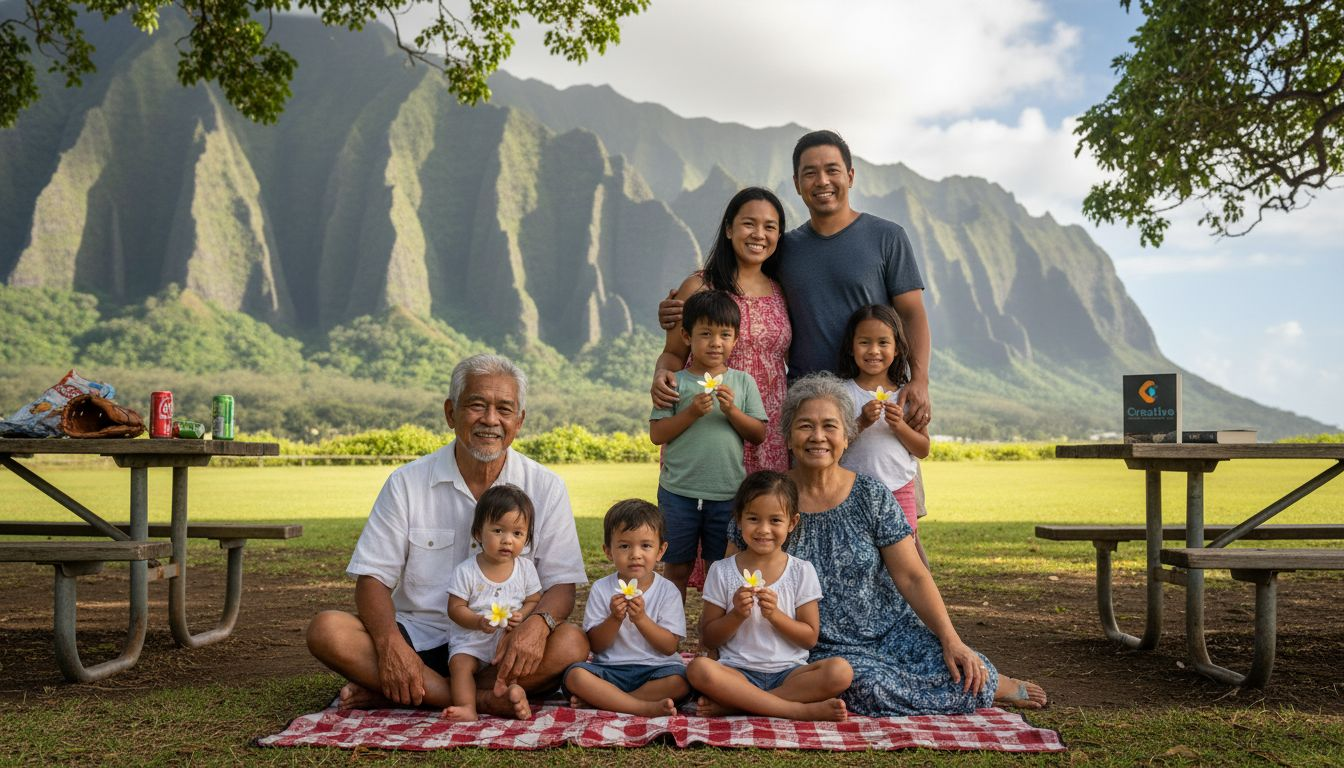
    Park and garden sessions showcase Oahu’s lush tropical landscapes and dramatic mountain vistas. Locations like Kualoa Regional Park offer sweeping views of the Ko’olau Mountains and offshore islands, creating stunning natural frames for family portraits. These settings work beautifully for families who want variety within a single location, moving between shaded groves, open grassy areas, and waterfront spots. The greenery provides rich color contrast and softer light even during midday hours.

    Large family posing in Oahu park setting

    Milestone portrait sessions focus on specific celebrations like birthdays, graduations, or anniversaries. These sessions blend formal posed portraits with lifestyle moments that capture the honoree’s personality and relationships. Photographers might split time between indoor and outdoor settings, or concentrate entirely on a meaningful outdoor location. The session structure allows for both traditional family groupings and creative individual or couple shots that highlight the milestone being celebrated.

    Extended reunion sessions provide 90 minutes of coverage designed for large multigenerational families gathering in Oahu. This format allows time for full group photos, individual family units, couples, siblings, and grandparent portraits without feeling rushed. Photographers often incorporate two or three locations within the extended timeframe, creating diverse visual storytelling across Oahu’s varied landscapes. These sessions typically deliver 50 to 60 edited images covering all the different groupings.

    Mini sessions offer a quick, affordable alternative for families wanting professional photos without a significant time or financial commitment. Lasting 30 minutes and producing 15 to 20 edited images, mini sessions work best for smaller families or those comfortable with a single location and streamlined shot list. While shorter, these sessions still capture beautiful family moments when planned thoughtfully.

    Popular session types ranked by duration:

    1. Extended reunion sessions at 90 minutes for large groups
    2. Standard beach or park sessions at 60 minutes for typical families
    3. Milestone portrait sessions at 60 to 75 minutes for special occasions
    4. Mini sessions at 30 minutes for quick, focused coverage

    Exploring Oahu family photo session options helps you visualize different styles and settings before making your final decision, ensuring the session type aligns perfectly with your family’s needs and the memories you want to preserve.

    Comparing session features: duration, pricing, and delivery

    Understanding the practical differences between session types helps you make an informed decision based on your budget and expectations. Standard 60-minute sessions typically include 35 edited digital images delivered via online gallery, with pricing around $425 through services that handle location coordination and permits. This duration provides ample time for multiple family groupings, outfit changes, and location variety without exhausting young children.

    Extended 90-minute sessions increase coverage to approximately 50 edited images, with pricing typically around $590. The additional 30 minutes proves valuable for large families needing more grouping combinations or those wanting to incorporate two distinct locations. This format reduces the rushed feeling that can occur when trying to capture everyone in a shorter timeframe, allowing for more spontaneous moments and creative experimentation.

    Local Oahu photographers often charge $500 or more for 60-minute sessions with fewer deliverables, making comprehensive photography services competitive while offering additional conveniences like location expertise and permit handling. Photo delivery timelines generally range from five to seven days after your session, with some photographers providing sneak peeks within 24 hours to build excitement.

    Mini sessions represent the most budget-friendly option, usually priced between $250 and $350 for 30 minutes and 15 to 20 images. While this format limits creative exploration, it works perfectly for families wanting annual update photos or simple beach portraits without extensive variety. The shorter duration requires families to arrive prepared and ready to shoot immediately.

    Session Type Duration Edited Photos Typical Price Delivery Time
    Mini Session 30 minutes 15 to 20 $250 to $350 5 to 7 days
    Standard Session 60 minutes 35 to 40 $425 to $500 5 to 7 days
    Extended Session 90 minutes 50 to 60 $590 to $650 7 to 10 days
    Reunion Session 90 to 120 minutes 60 to 75 $650 to $800 7 to 10 days

    Pro Tip: Book extended sessions if your family includes children under five or more than eight people. The extra time accommodates bathroom breaks, wardrobe adjustments, and the natural energy fluctuations that come with photographing young kids or large groups.

    Reviewing Oahu family photo session pricing across different providers helps you compare value beyond just the hourly rate, considering factors like number of edited images, usage rights, and additional services included in each package.

    Expert tips for a successful Oahu family photography session

    Timing your session during golden hour, the period shortly after sunrise or before sunset, transforms your photos with soft, warm light that flatters skin tones and creates a magical glow. Morning sessions around 6:30 to 7:30 AM offer cooler temperatures and fewer crowds at popular locations, while evening sessions from 5:30 to 6:30 PM provide stunning sunset backdrops. Avoid midday shooting when harsh overhead sun creates unflattering shadows and causes squinting.

    Hiring photographers who genuinely engage with children makes an enormous difference in capturing natural expressions rather than forced smiles. Skilled photographers build rapport quickly, using games, jokes, and gentle direction that keeps kids entertained while getting the shots you want. This relaxed approach works equally well with adults, helping everyone forget the camera and interact authentically with each other.

    Location scouting before your session eliminates surprises and ensures you’re maximizing Oahu’s scenic potential. Research spots like Kualoa Beach Park for dramatic mountain backdrops, Lanikai Beach for turquoise water and offshore islands, or Waimanalo Beach for wide open sand and fewer tourists. Consider accessibility for elderly family members or very young children when selecting locations, and verify whether permits are required for commercial photography.

    Communicating your family’s style and preferences before the shoot helps your photographer prepare appropriately. Share examples of photos you love, mention any family dynamics to be aware of, and discuss wardrobe choices to ensure everyone coordinates without matching too exactly. This preparation allows the photographer to plan shot lists and timing that align with your vision.

    Pro Tip: Arrive 10 minutes early to your session location so children can explore, use restrooms, and settle into the environment before shooting begins. This buffer time reduces stress and helps everyone start the session calm and ready.

    “The best family photos happen when everyone feels comfortable and connected. A skilled photographer creates that environment by building trust, staying patient, and capturing the authentic moments between posed shots.” – Professional Family Photographer

    Strategies for optimal session results:

    • Coordinate outfits in complementary colors rather than exact matches
    • Feed children a snack 30 minutes before the session to avoid hunger meltdowns
    • Bring a backup outfit for young children prone to spills or accidents
    • Trust your photographer’s creative direction while voicing specific must-have shots
    • Stay present and engaged with your family rather than worrying about the camera

    Staying relaxed throughout your session allows the photographer to capture genuine emotions and connections. When parents stress about perfect behavior or ideal poses, children sense that tension and become less cooperative. Natural light and scenic settings provide the technical foundation, but your family’s authentic interactions create the memorable images you’ll treasure.

    Working with experienced Oahu photographers who understand the island’s unique lighting conditions, weather patterns, and hidden gem locations ensures you’re getting both technical expertise and local knowledge that elevates your final images beyond standard tourist snapshots.

    Capture your Oahu family memories with professional photography

    Now that you understand the different session types and how to prepare for success, partnering with a trusted professional service brings your vision to life. Creative Media Production offers comprehensive family photography in Honolulu with over 15 years of experience capturing authentic moments across Oahu’s most beautiful locations. Our photographers specialize in creating relaxed, enjoyable sessions that result in stunning images you’ll cherish for generations.

    https://creativemediaprod.com

    We understand that every family has unique dynamics and preferences, which is why we offer flexible session options tailored to your specific needs. Whether you’re planning an intimate immediate family portrait or coordinating a large reunion with multiple generations, our team handles all the details from location scouting to permit coordination. Our event photography services extend beyond family sessions to cover birthdays, graduations, and other milestone celebrations with the same dedication to quality and storytelling.

    Explore our Oahu family photo session packages to find the perfect fit for your family’s timeline and budget, and let us help you create lasting memories against the island’s breathtaking backdrops.

    FAQ

    What is the best time of day for family photos in Oahu?

    Golden hour, occurring shortly after sunrise or before sunset, offers the most flattering light with soft, warm tones and minimal harsh shadows. Morning sessions around 6:30 to 7:30 AM provide cooler temperatures and fewer crowds at popular beaches and parks. Evening sessions from 5:30 to 6:30 PM capture stunning sunset colors while avoiding the intense midday sun that causes squinting and unflattering shadows.

    How long should a family photography session last?

    Standard family sessions typically last 60 minutes, providing sufficient time for multiple poses, groupings, and one or two locations. Extended 90-minute sessions work better for families with more than eight people, young children who need breaks, or those wanting to explore multiple distinct locations. Mini sessions of 30 minutes offer a quick, affordable option for smaller families comfortable with streamlined coverage at a single spot.

    Kualoa Beach Park ranks highly for family photos with its stunning mountain views, calm waters, and iconic offshore island backdrops. Lanikai Beach offers turquoise water and powdery sand perfect for sunrise sessions, while Waimanalo Beach provides wide open spaces with fewer tourists. Historic sites like Iolani Palace or the Byodo-In Temple add cultural storytelling elements to your family narrative. Exploring Oahu photography tour locations reveals hidden gems beyond the typical tourist beaches.

    How soon will I receive my photos after the session?

    Most professional services deliver photos within one week after your session, with some photographers providing even faster turnaround times of three to five days. You’ll typically receive an online gallery with downloadable high-resolution images and sharing capabilities. Some photographers offer sneak peek images within 24 to 48 hours to build excitement while they complete the full editing process for your entire gallery.

    Article generated by BabyLoveGrowth

  • What to Wear for Family Portraits

    What to Wear for Family Portraits

    The fastest way to make family portraits feel stressful is to wait until the night before and realize everyone planned a different version of “dress nice.” One person is in a bold floral print, one is wearing neon sneakers, and one child has decided a superhero shirt is non-negotiable. Good photos can still happen, but polished, cohesive portraits usually start with a clear wardrobe plan.

    What you wear shapes the entire look of your gallery. Clothing affects color balance, visual harmony, how timeless the images feel, and even how relaxed everyone appears on camera. The goal is not to make your family look overly styled or identical. It is to create a coordinated look that feels natural, elevated, and true to your family.

    What to wear for family portraits starts with coordination

    The best family portrait outfits are coordinated, not matched. That distinction matters. When everyone wears the exact same white shirt and jeans, the result can feel dated and flat. When outfits share a color palette and similar level of formality, the images feel more refined and story-driven.

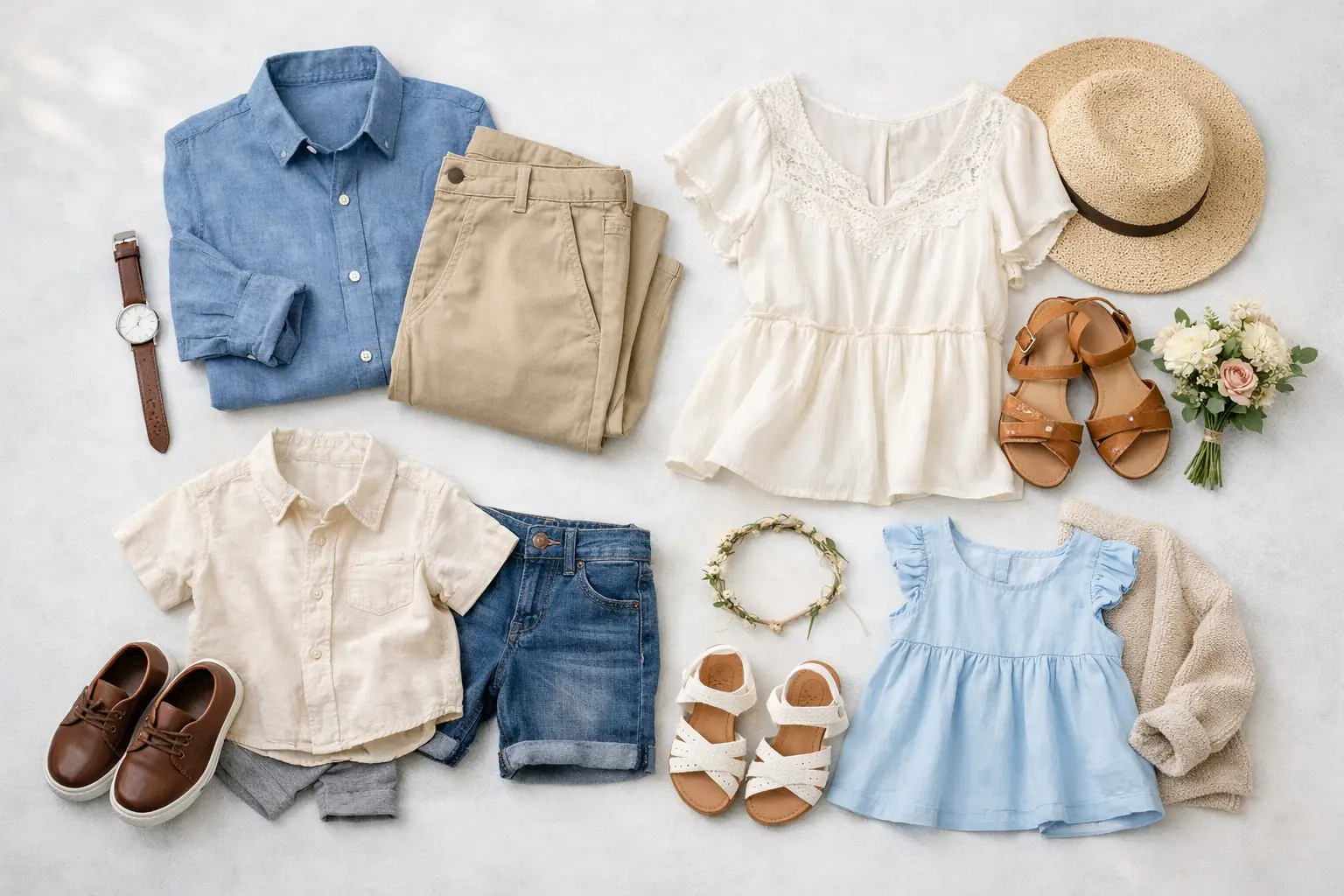
    Start by choosing two to four colors that work well together. Soft neutrals, earth tones, muted blues, sage, rust, cream, tan, dusty rose, and warm gray tend to photograph beautifully in a wide range of settings. On Oahu, these tones also work especially well with beach, park, and sunset locations because they complement the landscape instead of competing with it.

    Once you have a palette, spread those colors across the family instead of putting everyone in the same shade. For example, one person might wear a light beige dress, another a soft blue button-down, and another tan pants with a cream top. That variation creates depth without looking random.

    Choose outfits based on location and light

    A family session at the beach calls for a different wardrobe approach than portraits in a garden, downtown setting, or at home. This is where styling becomes practical, not just aesthetic.

    For beach portraits, lighter colors and breathable fabrics usually work best. Linen, cotton, gauze, and soft-flowing materials move well in the breeze and suit the relaxed elegance of coastal photos. Bare feet can work beautifully in some beach sessions, but it depends on the look you want. If you want a more polished result, simple sandals or neutral footwear may be the better choice.

    For park or nature locations, earthy and muted tones often feel most natural. Olive, rust, cream, soft blue, and warm neutrals blend well with greenery and golden-hour light. In more urban settings, you can lean slightly more structured – think clean silhouettes, classic dresses, button-downs, or well-fitted casual pieces that still feel comfortable.

    Lighting matters too. Bright midday sun can make very stark white appear harsh, while very dark clothing may lose detail in shaded areas or evening light. Mid-tone colors often photograph more consistently and keep the final gallery balanced.

    Keep the formality level consistent

    One of the most common styling mistakes is mixing outfit levels that do not belong together. If one parent is in a flowing dress and polished shoes while another family member is in gym shorts and a graphic tee, the mismatch stands out immediately.

    Before anyone shops or pulls clothes from the closet, decide on the overall dress code. Are you going for elevated casual, polished and dressy, or relaxed beach formal? Once that is clear, every outfit should support the same visual tone.

    This does not mean every family member needs to look equally dressed up. Small children, especially, should still look like children. But everyone should look like they are part of the same session. A coordinated level of formality helps your portraits feel intentional and premium.

    The best colors for timeless family portraits

    If your main priority is creating images that still look current years from now, color choice deserves extra attention. Trend-heavy colors can date photos quickly, while balanced, understated palettes tend to last.

    Neutrals are reliable for a reason. Cream, ivory, beige, taupe, camel, soft gray, and muted navy photograph cleanly and keep attention on faces and connection. Soft pastels can work beautifully too, especially for spring sessions or lighter outdoor settings. Richer tones like deep green, burgundy, and burnt orange can add warmth in the right season or location.

    There are trade-offs. An all-neutral palette feels clean and elegant, but it can look a little flat if there is no texture or contrast. Adding one or two accent colors, along with fabric variety, usually solves that. On the other hand, very bright colors can bring energy, but they often pull attention away from expressions.

    If you are unsure, aim slightly softer than you think you need. Muted tones tend to photograph more beautifully than highly saturated ones.

    Patterns, logos, and texture: what helps and what hurts

    Patterns are not automatically a problem, but they need restraint. One subtle floral, plaid, or small-scale print can add personality. Several competing patterns in one frame can make a portrait look busy fast.

    Large graphics, visible brand logos, and text on shirts are usually best avoided. They distract from the emotional focus of the image and can make an otherwise timeless portrait feel casual in the wrong way. Neon colors have a similar effect. They reflect color onto skin and can overpower the composition.

    Texture is often the better way to create visual interest. Linen, knits, embroidery, eyelet details, and layered fabrics photograph beautifully without overwhelming the image. Texture adds depth while keeping the look cohesive and elevated.

    Dress the most difficult outfit first

    If one family member is hardest to style – often mom, a teen, or a toddler with strong opinions – start there. Build the rest of the wardrobe around that piece.

    This approach is more efficient than trying to choose everyone else’s clothing first. For example, if the anchor outfit is a soft blue dress with subtle texture, you can pull complementary tones for the rest of the family with much less guesswork. That single piece can guide the color palette, formality, and overall mood of the session.

    It also helps reduce last-minute decision fatigue, which is often what turns wardrobe planning into stress.

    What parents and kids should keep in mind

    Adults usually focus on how an outfit looks. For children, comfort matters just as much. If a child is itchy, too warm, or constantly adjusting stiff clothing, it will show in the photos.

    Choose pieces that fit well and allow movement. Children should be able to sit, walk, and be held comfortably. For babies and toddlers, simple outfits in soft colors usually work best. Avoid overly busy prints, character clothing, or anything that requires constant fixing.

    For parents, fit matters more than trend. Clothing that is too tight, too loose, or unfamiliar often reads as discomfort on camera. The most flattering choice is usually something structured enough to photograph well but comfortable enough that you can move naturally, hold your kids, and relax.

    A few details people forget

    The outfit is only part of the frame. Shoes, undergarments, accessories, and grooming all contribute to the final look.

    Shoes should match the outfit’s formality and color palette. Athletic sneakers are one of the most common distractions in family portraits unless the session is intentionally casual. Accessories should be simple and supportive, not dominant. Delicate jewelry, a classic hat for the right setting, or a subtle hair accessory can work well.

    Wrinkled clothing, visible bra straps, bulky pockets, smart watches, and hair ties on wrists often go unnoticed until the gallery arrives. A quick full-length mirror check before leaving for the session can prevent most of these issues.

    What to wear for family portraits if you want less stress

    If you want the process to feel easier, choose outfits at least one week in advance and lay them out together. Seeing everything side by side helps you spot issues with color, balance, and formality before the session day.

    Take a phone photo of the full set of outfits in natural light. This is a simple way to see whether one piece feels too bright, too dark, or out of place. If you are booking with a professional team, asking for wardrobe guidance during planning can save time and help you avoid common mistakes. At Creative Media Production LLC, that kind of preparation supports a smoother session and a more polished final gallery.

    Family portraits do not need perfect wardrobes. They need thoughtful choices that photograph well, feel comfortable, and let your connection stay at the center of the frame. When your outfits work together, the images feel effortless – and that is usually what makes them last.

  • Photo booth setup guide for Oahu weddings and events 2026

    Photo booth setup guide for Oahu weddings and events 2026

    Setting up a photo booth at your Oahu wedding or event can feel overwhelming. You need to coordinate equipment, timing, space, and guest flow while ensuring every photo looks amazing. Many planners struggle with choosing the right setup or avoiding last-minute technical issues. This guide walks you through preparation, equipment selection, physical setup, and common pitfalls so your photo booth runs smoothly and keeps guests engaged throughout your celebration.

    Table of Contents

    Key takeaways

    Point Details
    Space and power requirements Photo booth types need different space: classic open booths require 8’x8’x8’, 360 booths need 10’x10’x8’, and dedicated power outlets are essential.
    Equipment quality impacts guest experience Modern setups use 21-inch touchscreen monitors and DSLR cameras for intuitive interaction and superior image quality.
    Logistics must be planned ahead Coordinate load-in access, parking, elevators, and stable internet before setup day to avoid delays.
    Contract clarity prevents issues Carefully review service hours, setup times, deliverables, and extra fees to avoid misunderstandings.
    Testing before guests arrive is critical Pre-cleared space allows time to perfect lighting, camera angles, and touchscreen responsiveness.

    Preparing your event for a successful photo booth setup

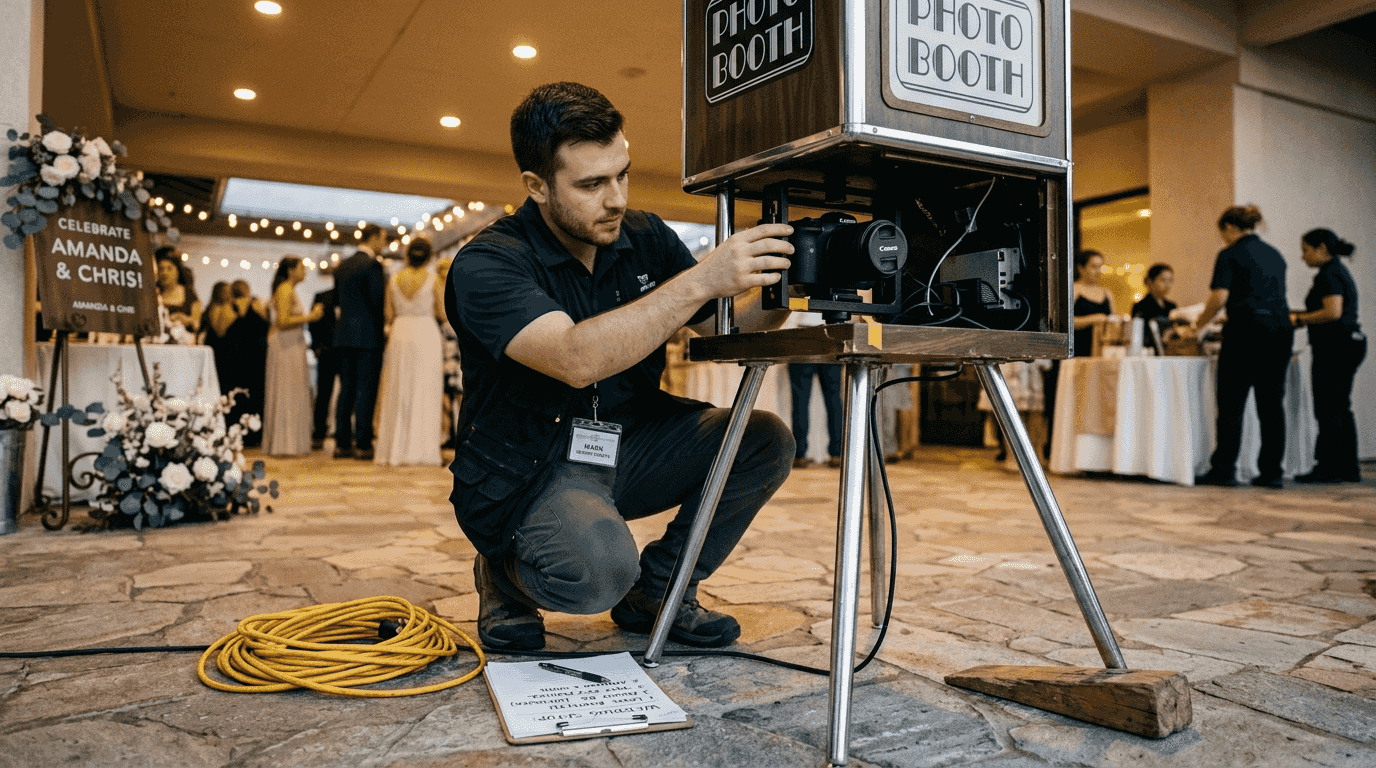
    Before the photo booth team arrives, you need to handle crucial logistics. Clear load-in paths, reserved parking or loading dock access, and elevator access are essential for timely setup, especially at Oahu venues with limited access. Multi-story locations require elevator coordination for heavy gear like lighting stands and backdrops.

    Your venue needs a dedicated power outlet near the booth location. Extension cords create tripping hazards and voltage drops that damage equipment. Coordinate Wi-Fi credentials or hotspot availability for instant photo sharing, which guests expect at modern celebrations. Stable internet keeps cloud-based features running smoothly.

    Pre-clear the photo booth area completely. Remove chairs, tables, and decor from the designated space at least 30 minutes before setup begins. This gives technicians time to test lighting angles and camera positions without rushing. Communicate backdrop and prop needs with your planner and florist so colors and themes align with overall event aesthetics.

    Pro Tip: Create a venue contact sheet with phone numbers for facility managers, parking attendants, and security staff. Share this with your photo booth provider so they can resolve access issues quickly without involving you during setup.

    If you need same-day event photo turnaround, coordinate this requirement during venue prep conversations. Quick delivery depends on smooth technical setup from the start.

    Choosing the right equipment for your photo booth in Oahu

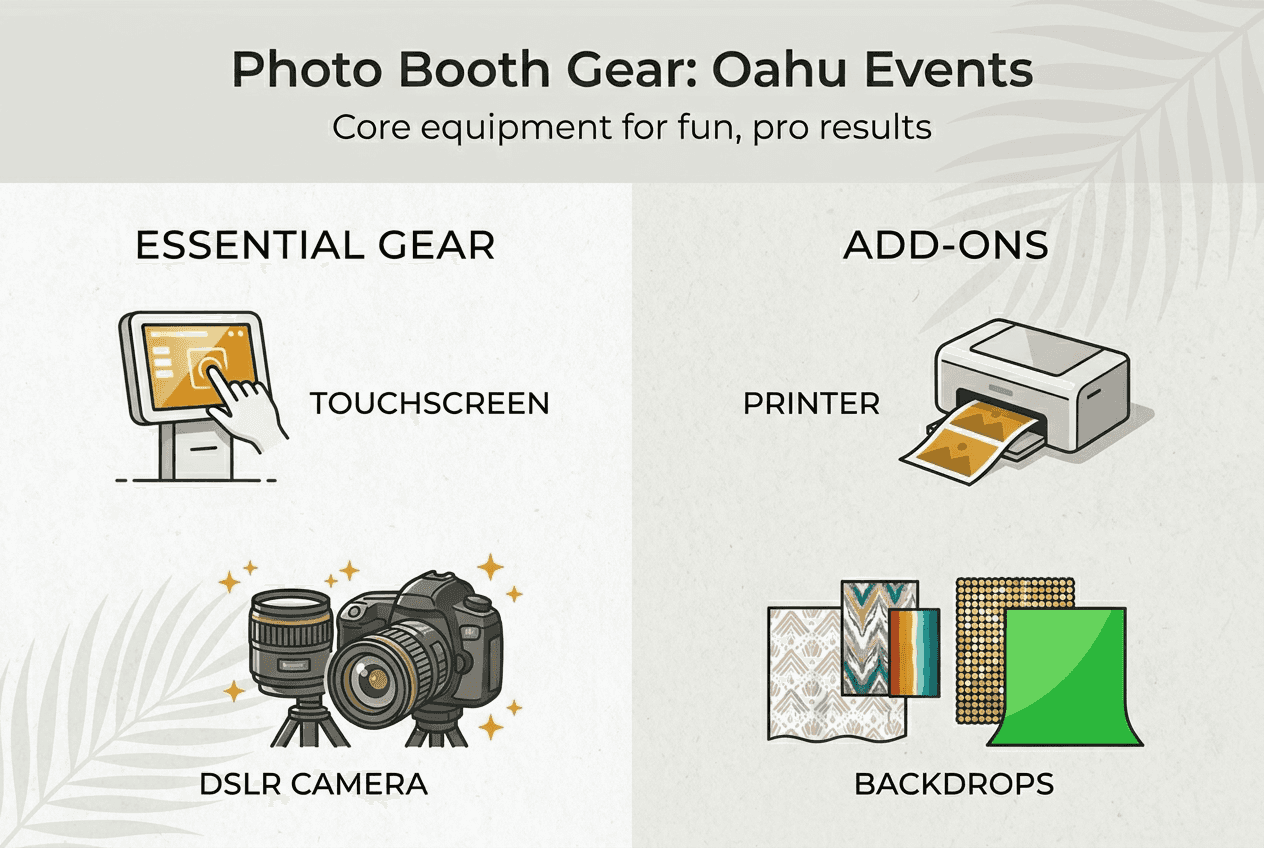
    Equipment selection directly impacts photo quality and guest satisfaction. Touchscreen monitors are the most popular choice, with 21-inch displays in landscape orientation being ideal for intuitive guest interaction. Smaller screens frustrate users, while portrait orientation feels awkward for group shots.

    Infographic of photo booth core equipment

    Camera choice matters significantly. DSLR or mirrorless cameras connected via HDMI capture cards deliver professional image quality that smartphones cannot match. Canon EOS models, Sony Alpha series, and Nikon Z cameras paired with Elgato Cam Link 4K capture cards provide excellent results. These setups handle low-light venues common in Oahu evening celebrations.

    Cloud-based AI photo booths offer a simpler alternative. They require only a modern laptop with 8GB RAM minimum and stable internet, reducing hardware complexity dramatically. These systems process photos in the cloud, eliminating the need for powerful on-site computers. However, internet reliability becomes critical, so Ethernet connections work better than Wi-Fi at crowded venues.

    Equipment Type Minimum Specs Best For
    Touchscreen Monitor 21-inch landscape, capacitive touch Guest interaction and session start
    DSLR Camera Canon EOS, Sony Alpha, Nikon Z series Premium image quality
    Capture Card Elgato Cam Link 4K Connecting cameras to computers
    Laptop 8GB RAM, GPU or DirectML support Cloud processing and local software
    Printer Dye-sublimation instant printer Physical keepsakes at weddings

    Instant photo printers add tangible value at weddings and upscale events. Guests love taking home physical prints as keepsakes. Dye-sublimation printers produce higher quality images than inkjet models and handle humidity better, which matters in Oahu’s tropical climate. Check photo booth prints quality standards before committing to a printer model.

    Advanced features like hand gesture control require computers with GPU or DirectML support. These systems let guests trigger photos with hand waves, creating a touchless experience that feels futuristic and hygienic.

    Pro Tip: Rent equipment for your first event before purchasing. This lets you test different camera and touchscreen combinations to find what works best for your typical venue types and guest demographics.

    Setting up and optimizing your photo booth at your event

    Physical setup requires methodical attention to space, stability, and lighting. Start by verifying your space meets dimensional requirements for your booth type. Classic open booths need approximately 8’x8’x8’, while 360 video booths require 10’x10’x8’ to accommodate the rotating camera arm and guest movement. Digital stations work in tighter 5’x5’ spaces.

    Position the booth on a stable, level platform. Uneven floors cause camera shake and vibration in photos, especially with 360 booths. Use leveling feet or shims under equipment legs to eliminate wobble. Carpet and grass surfaces absorb vibrations better than tile or concrete.

    Technician stabilizing resort photo booth setup

    Lighting setup separates amateur from professional results. Arrange LED panels or ring lights to eliminate facial shadows and enhance skin tones. Position lights at 45-degree angles from the subject area, roughly 6 feet high. Test lighting with sample shots before guests arrive, adjusting intensity and direction until faces look natural and vibrant. Pre-cleared space allows more time to perfect angles and test lighting thoroughly.

    Complete these steps in order:

    1. Verify power outlet function and voltage stability with a circuit tester.
    2. Position camera, touchscreen, and backdrop according to space layout.
    3. Connect all cables and secure them with gaffer tape to prevent tripping.
    4. Install and test lighting at multiple intensities for various skin tones.
    5. Configure Wi-Fi or hotspot connection and test upload speeds.
    6. Run test sessions with different guest counts to check framing and focus.
    7. Set up props table and guest flow barriers to manage congestion.

    Guest flow planning prevents bottlenecks during peak hours. Position the booth away from bar and food service areas so guests can access it without blocking traffic. If your event expects over 100 guests, station an attendant to guide visitors and manage props. This keeps sessions moving and prevents awkward crowding.

    Branded backdrops and curated prop collections elevate aesthetic quality. Choose backdrop colors that complement your event theme without clashing with guest attire. Oahu weddings often feature tropical or beach themes, so consider lush greenery backdrops or elegant white draping. Props should be Instagram-worthy, matching your event’s formality level.

    Pro Tip: Create a backup power solution with a portable battery pack rated for your equipment wattage. Outdoor Oahu venues sometimes experience power fluctuations, and a battery backup keeps the booth running during brief outages without losing guest photos.

    For additional guidance on capturing great moments, explore tips from an event photographer in Kapolei who understands Oahu venue lighting challenges.

    Avoiding common mistakes and ensuring great results

    Contract review prevents costly surprises and service gaps. Carefully review service hours, setup and teardown times, deliverables, and potential extra fees before signing. Many vendors charge overtime rates if your event runs past contracted hours, and these fees can double your cost. Clarify what happens if equipment fails mid-event and confirm backup plans in writing.

    Poor lighting ruins otherwise perfect setups. Insufficient or harsh lighting creates unflattering shadows, washed-out faces, and inconsistent photo quality. Always test lighting with multiple skin tones and outfit colors before guests arrive. Adjust light position and intensity until every test shot looks vibrant and professional.

    Space miscalculation causes guest discomfort and operational problems. Measure your designated area carefully and compare it against your booth type’s requirements. Insufficient space forces guests to squeeze together awkwardly or prevents proper camera angles. When in doubt, allocate 20% more space than the minimum recommendation.

    “A quick skim of a contract can lead to headaches later. Take the time to read every line carefully and ask questions about anything unclear before committing.”

    Avoid these frequent setup errors:

    • Skipping full gallery reviews and judging quality from highlight reels only
    • Positioning booths in high-traffic areas that block venue flow
    • Using consumer-grade cameras that struggle in low light
    • Forgetting to test touchscreen calibration before guest arrival
    • Neglecting to coordinate booth aesthetics with overall event decor
    • Overlooking internet bandwidth needs during peak usage hours

    Keep a printed setup checklist during installation. This simple tool ensures you verify power connections, camera settings, internet access, lighting levels, and backup equipment before opening the booth to guests. Checklists prevent you from discovering missing items or configuration errors after guests start lining up.

    Backdrop and prop coordination with your event designer creates cohesive aesthetics. Share your booth design plans with florists and decorators so colors and styles complement rather than clash. This attention to detail makes photo booth images feel integrated with your event’s overall look, increasing social media sharing.

    For help selecting reliable vendors, review strategies for hiring event photographers in Oahu that apply equally to photo booth providers.

    Enhance your Oahu event with professional photography services

    Planning photo booth logistics alongside professional coverage can feel overwhelming. When you need expert support beyond DIY setups, consider partnering with teams who know Oahu venues intimately and coordinate seamlessly with photo booth operations.

    https://creativemediaprod.com

    Creative Media Production specializes in event photography across Oahu, from Honolulu to Kailua and beyond. Their experienced photographers work alongside photo booths to capture candid moments and formal portraits while ensuring your booth setup complements overall event aesthetics. They understand Oahu’s unique lighting challenges, from bright beach ceremonies to dimly lit reception halls.

    Their team provides guidance on optimizing photo booth print quality and coordinating equipment placement for maximum guest engagement. Whether you need help choosing the right photographer or want comprehensive coverage that includes booth management, they offer tailored packages that simplify planning and deliver exceptional results.

    Frequently asked questions

    What size space do I need for a photo booth at my Oahu event?

    Space requirements vary by booth type, impacting venue selection significantly. Classic open or enclosed booths typically need 8’x8’x8’, while 360 video booths require approximately 10’x10’x8’ for the rotating camera arm. Digital stations and film scanning setups work in smaller 5’x5’ areas, making them ideal for intimate Oahu venues with limited space.

    How important is internet connectivity for photo booths?

    Stable internet is crucial for cloud-based AI photo booths, with Ethernet strongly recommended over Wi-Fi for reliability. Cloud processing enables instant social media sharing and advanced AI features guests expect at modern events. Unstable connections cause processing delays, failed uploads, and frustrated guests who cannot access their photos immediately after sessions.

    What should I look for when reviewing a photo booth rental contract?

    Confirm setup and teardown times, service hours, deliverables, and any extra charges before signing anything. Ask vendors to clarify unclear terms and get backup equipment guarantees in writing. Verify what happens if technical issues arise mid-event and whether overtime fees apply if your celebration runs late. Clear contracts prevent disputes and ensure you receive exactly what you expected.

    Can photo booths work at outdoor Oahu venues?

    Yes, but outdoor setups require additional planning for power access, weather protection, and lighting control. Bring backup battery packs for locations without nearby outlets and use weighted stands to secure equipment against trade winds. Shade tents prevent harsh sunlight from washing out photos and protect gear from sudden rain showers common in Oahu’s tropical climate.

    How far in advance should I book a photo booth for my Oahu event?

    Book at least 8 to 12 weeks ahead for peak wedding season from April through October. Popular Oahu vendors get reserved quickly, especially for Saturday evening events at sought-after venues like beachfront locations and historic estates. Last-minute bookings often mean limited equipment choices and higher rush fees that strain your budget.

    Article generated by BabyLoveGrowth

  • Why plan a professional photoshoot for weddings

    Why plan a professional photoshoot for weddings

    You’ve probably heard someone say their cousin with a fancy camera can handle wedding photos just fine. While good equipment helps, it takes planning, experience, and artistic vision to capture moments that become treasured family heirlooms. Professional event photographer Oahu services combine technical expertise with an understanding of Oahu’s unique environment to document weddings and family celebrations authentically.

    Table of Contents

    Key takeaways

    Point Details
    Professional expertise matters Skilled photographers anticipate and capture emotional moments guests typically miss during celebrations.
    Oahu planning essentials Weather unpredictability and cultural awareness require contingency plans and local knowledge for successful shoots.
    Comprehensive service value Album design, print services, and online galleries simplify memory preservation beyond basic photo delivery.
    Emotional investment pays off Professional photography increases satisfaction by 85% and strengthens family connections across generations.
    Risk mitigation through planning Clear communication, backup equipment, and detailed timelines prevent common pitfalls like missed moments.

    Why professional photographers make a difference

    The belief that expensive cameras automatically produce stunning images overlooks the human element behind memorable photography. Professional photographers anticipate and capture key wedding moments that guests often miss while enjoying celebrations themselves. Technical skill, artistic vision, and client management expertise combine to create images that tell compelling stories.

    Consider what happens during a first dance or cake cutting ceremony. Guests watch these moments through their own eyes or phone screens, often from awkward angles with poor lighting. Professional photographers position themselves strategically, adjust settings instantly for changing conditions, and capture both planned highlights and spontaneous emotional reactions. They document the tears in a father’s eyes during a toast or the genuine laughter between siblings reuniting for a celebration.

    This expertise provides something invaluable: peace of mind. You focus on experiencing your special day while trusting someone else handles visual documentation. No worrying about whether Uncle Bob remembered to charge his camera battery or whether anyone captured that surprise moment when your grandmother smiled.

    Pro Tip: Ask potential photographers to show full wedding galleries, not just highlight reels. This reveals their consistency in capturing both major moments and subtle details throughout an entire event.

    Key skills that distinguish professionals include:

    • Reading lighting conditions and adjusting technical settings within seconds
    • Directing large groups efficiently while keeping the atmosphere relaxed and fun
    • Anticipating emotional moments before they happen based on event flow experience
    • Editing images to enhance natural beauty without creating artificial looks
    • Managing timelines to ensure coverage of all important moments without feeling rushed

    Creativity and experience outweigh equipment value every time. A skilled Oahu photographer with mid-range gear consistently produces better results than an amateur with top-tier cameras because they understand composition, storytelling, and human connection.

    Planning for Oahu’s unique challenges and opportunities

    Oahu’s stunning natural beauty creates breathtaking backdrops, but island conditions demand thorough preparation. Weather changes rapidly on the island, requiring clear contingency plans and backup equipment. That perfect beach ceremony location might face unexpected rain showers or intense midday sun within the same hour.

    Photographer planning beachside shoot with weather concerns

    Professional photographers working in Oahu carry redundant systems for every critical component. Backup camera bodies, multiple lenses, extra batteries, and protective gear ensure technical failures never ruin your memories. They scout locations beforehand, identifying optimal shooting angles and timing based on sun position throughout the day. This preparation proves essential when golden hour arrives and you want those magazine-worthy sunset portraits.

    Cultural awareness enhances the photography experience significantly in Hawaii. Understanding and respecting Hawaiian customs, sacred sites, and local traditions shows reverence for the islands while creating authentic imagery. Professional photographers familiar with Oahu know which locations require special permissions and how to incorporate cultural elements respectfully into your celebration coverage.

    Large family groups common at Hawaiian celebrations require patience and clear direction for efficient photos. Getting 30 people organized, properly lit, and smiling simultaneously challenges even experienced photographers. Those skilled in group management use humor, clear instructions, and quick execution to capture beautiful family portraits without exhausting everyone’s patience.

    Pro Tip: Schedule family formal photos before the ceremony when everyone looks fresh and makeup remains perfect. Post-ceremony emotions and celebration activities make gathering groups more challenging.

    Common planning pitfalls to avoid include:

    • Underestimating travel time between Oahu locations during peak traffic hours
    • Failing to communicate specific must-have shot lists and family groupings in advance
    • Choosing outdoor locations without considering seasonal weather patterns and backup options
    • Overlooking permit requirements for popular Oahu beaches and parks
    • Not discussing cultural sensitivities and customs important to your family

    These challenges transform from obstacles into opportunities when you work with experienced professionals who understand island photography intimately. Their local knowledge helps you make informed decisions about timing, locations, and logistics that maximize both beauty and efficiency.

    The comprehensive services professional photographers offer

    Modern professional photography extends far beyond showing up with cameras and delivering digital files. The best photographers provide complete solutions that simplify preserving and sharing your memories. Professional services include album design, printing, and online galleries that enrich your overall experience.

    Physical photo albums offer tangible heirlooms that families treasure for generations. Unlike digital files stored on hard drives or cloud services, beautifully designed albums sit on coffee tables where they spark conversations and bring joy repeatedly. Professional album design considers storytelling flow, color harmony, and layout variety to create cohesive narratives of your celebration.

    Print services provide additional ways to display favorite images throughout your home. Canvas wraps, framed prints, and specialty products like parent albums give you options that match your aesthetic preferences and budget. Quality printing uses archival papers and inks that resist fading, ensuring your images look vibrant for decades.

    Online galleries revolutionize how you share memories with friends and family worldwide. Password-protected galleries let guests view, download, and order prints of images featuring them. This convenience eliminates the hassle of managing photo sharing through social media or messaging apps while giving everyone easy access.

    Pro Tip: Order your album within six months of receiving final images while memories remain fresh and decision-making feels easier. Couples who wait often find selecting favorites more difficult as time passes.

    Service Category Typical Options Value Provided
    Digital delivery High-resolution downloads, online galleries, backup storage Easy access and sharing capabilities
    Print products Albums, parent albums, canvas prints, framed photographs Tangible keepsakes for display and gifting
    Design services Custom album layouts, photo book creation, wall art arrangements Professional aesthetic presentation
    Specialty items Thank you cards, save-the-dates, holiday cards using event photos Extended value from your photography investment

    Package customization varies among photographers, with some offering all-inclusive options while others let you build services à la carte. Understanding what matters most to you helps select the right coverage level. Oahu wedding media services typically include consultation time to discuss your specific needs and preferences before finalizing packages.

    Emotional and lasting value of professional photoshoots

    The true measure of photography value emerges not on your wedding day but years later when you revisit those images. Couples investing in professional photography report 85% higher satisfaction with their wedding memories compared to those who chose amateur coverage or relied solely on guest photos. This satisfaction difference reflects both image quality and comprehensive event documentation.

    Infographic outlining main reasons for professional wedding photography

    Family celebrations with professional photography show 20% increased positive emotional recall when reviewing images months or years later. The ability to relive genuine emotions, remember forgotten details, and share stories with future generations creates profound value that transcends initial costs.

    Professional images become family legacy pieces passed down through generations. Your grandchildren will see how you looked on your wedding day, the joy on your parents’ faces, and the love surrounding your celebration. These visual records preserve family history in ways that strengthen connections across time.

    Professional photography provides peace of mind, enabling clients to fully enjoy special moments knowing an expert captures everything important. This psychological benefit often goes unrecognized until after events when couples realize they remember experiences rather than worrying about documentation.

    The emotions and candid moments captured often become most treasured over time. Formal portraits provide beautiful commemorative images, but spontaneous laughter, happy tears, and unguarded interactions reveal authentic relationships and feelings. These unscripted moments require photographers who blend into celebrations while maintaining constant awareness.

    Memory Aspect Amateur Coverage Professional Coverage
    Satisfaction rate Moderate (variable quality) 85% higher satisfaction
    Emotional connection Limited recall enhancement 20% increased positive recall
    Legacy value Inconsistent documentation Comprehensive family heirloom quality
    Peace of mind Often stressful and distracting Complete confidence in coverage

    Family photographer Honolulu professionals understand that their work serves purposes far beyond immediate event coverage. They create visual time capsules that gain sentimental value as years pass and family dynamics evolve. This perspective informs how they approach each celebration, seeking images that will resonate decades into the future.

    Investing in professional photography means prioritizing memories over momentary expenses. When you compare costs against the decades of joy those images provide, the value proposition becomes compelling. You’ll never regret having beautiful, comprehensive documentation of life’s most meaningful celebrations.

    Capture your special moments with expert Oahu photographers

    Now that you understand why professional photography planning matters, finding the right photographer becomes your next step. Creative Media Production specializes in capturing weddings and family celebrations across Oahu with over 15 years of local experience.

    https://creativemediaprod.com

    Our team knows Oahu’s best locations, weather patterns, and cultural considerations intimately. We offer complete services including professional albums, print products, and online galleries that make preserving and sharing your memories effortless. Every package includes personalized consultation to align our coverage with your unique vision and priorities.

    Whether you’re planning a beachside wedding in Waikiki, a family reunion in Kailua, or an intimate celebration in Honolulu, our event photographer Oahu expertise ensures comprehensive documentation you’ll treasure forever. We manage all logistical challenges while you focus on enjoying your special day with loved ones. Our family photographer Honolulu services extend beyond weddings to capture milestones of all kinds. Ready to discuss your photography needs? Explore our guide on hiring an event photographer to learn what questions to ask and what to expect during the booking process.

    Frequently asked questions

    When should I book a photographer for my Oahu wedding or family event?

    Book your photographer 9 to 12 months in advance for weddings, especially during peak season from April through October. Popular dates fill quickly, and the best photographers maintain limited availability to ensure quality. Family celebrations require less lead time but booking 2 to 3 months ahead ensures your preferred date remains available.

    How do professional photographers handle unexpected weather on photoshoot day?

    Experienced Oahu photographers always prepare backup plans including alternative indoor locations, covered outdoor spaces, and protective equipment for light rain. They monitor weather forecasts closely and communicate proactively about potential changes. Many beautiful images happen during or immediately after rain when dramatic skies and soft light create unique conditions.

    What happens during a photography consultation?

    Consultations let you discuss your vision, review the photographer’s portfolio, and ask questions about their process. You’ll cover location preferences, must-have shots, family dynamics, timeline logistics, and package options. This conversation helps ensure mutual understanding and comfort before your event. Learn more about what to ask in our photographer selection guide.

    Can photographers accommodate specific Hawaiian cultural customs?

    Professional Oahu photographers familiar with local culture understand and respect Hawaiian traditions, sacred sites, and ceremonial customs. Discuss any cultural elements important to your celebration during your consultation so your photographer can plan appropriately. This might include specific blessing ceremonies, traditional attire considerations, or location sensitivities.

    What are the best ways to preserve and share photos after my event?

    Order a professional album within six months while memories remain fresh and decision-making feels easier. Back up digital files in multiple locations including external hard drives and cloud storage. Use password-protected online galleries to share with family and friends, and consider printing favorite images for display throughout your home. These multiple formats ensure your memories remain accessible and enjoyable for years to come.

    Article generated by BabyLoveGrowth

  • Wedding Photography vs Videography

    Wedding Photography vs Videography

    A lot of couples realize this too late: the cake gets eaten, the flowers come down, and the timeline you spent months building is over in a blur. What stays is what you chose to preserve.

    That is why the question of photography vs videography for weddings matters more than most couples expect. It is not just a budget decision. It is a decision about how you want to remember the day, how you want to share it with family, and what kind of story you want to revisit years from now.

    For some couples, photography is the clear priority. For others, video is what brings the day back to life. And for many, the right answer is not one or the other, but understanding what each service actually gives you before you book.

    Photography vs videography for weddings: what is the real difference?

    Wedding photography preserves moments as individual frames. It gives you the still image of your partner seeing you for the first time, the look on your parents’ faces during the ceremony, and the group portraits that end up framed on walls and shared for generations. A strong wedding photo gallery is timeless, easy to revisit, and practical to print, post, and keep.

    Wedding videography captures movement, sound, and pacing. It lets you hear your vows again, watch the ceremony unfold, and relive the energy of the reception in a way photos simply cannot. Great wedding films are emotional because they do more than show what happened. They bring back how it felt.

    Neither format is better in every situation. They do different jobs. Photography is often about preserving key moments with clarity and elegance. Videography is about preserving atmosphere, motion, and voice.

    When photography should come first

    If you are choosing only one service, photography is often the first recommendation for weddings. There is a simple reason for that: photos cover a wide range of needs after the event. You can print them, frame them, send them to family, add them to thank-you cards, and revisit them quickly without setting aside time to watch a full film.

    Photography also tends to fit naturally into how families preserve milestones. Albums become heirlooms. Portraits become part of your home. Group shots become records of who was there in that exact season of life.

    For couples planning a smaller wedding, a tight timeline, or a more budget-conscious celebration, photography usually delivers the broadest long-term value. If your biggest priority is having polished, story-driven visuals of the people and moments that mattered most, photography often carries the most weight.

    That said, photography does have limits. It cannot preserve the sound of your vows, the tone of the speeches, or the movement of your first dance. It can suggest those moments beautifully, but it cannot replay them.

    When videography should come first

    Videography becomes especially valuable when the emotional experience of the day is your main priority. If you already know you will want to hear your vows again, watch your family react in real time, or relive the rhythm of the day, video offers something photography cannot replace.

    It is also a strong priority for couples with loved ones who cannot attend. A wedding film gives absent family and friends a much fuller sense of the event than a gallery alone. For destination weddings in Hawaii, that can matter even more. Guests who could not make the trip often appreciate being able to see and hear the ceremony rather than just viewing the highlights.

    Videography also captures in-between moments exceptionally well. The laughter before the ceremony, the movement of the dress in the wind, the way your partner’s voice changes during vows – those details are often what make a wedding film feel deeply personal.

    The trade-off is that video is less instantly practical than photos. You are not framing a five-minute highlight film in your hallway. You are sitting down to experience it. That can make videography feel more emotional, but sometimes less frequently revisited in everyday life.

    Why many couples regret skipping video

    A common pattern in weddings is that couples who book photography rarely regret having photos. Couples who skip videography sometimes do regret not having sound and motion preserved.

    That regret usually shows up around speeches, vows, and candid interactions with family members. Still images can capture the expression on a parent’s face, but they cannot replay the words. They cannot bring back a laugh, a voice, or the cadence of a toast.

    This does not mean every wedding must have a videographer. It means couples should make that choice with a clear understanding of what they are giving up. If spoken moments are central to your day, if your ceremony is highly personal, or if family connection is a major part of the event, video deserves serious consideration.

    Why many couples still choose photography only

    Even with the emotional value of video, photography remains the most common standalone choice for practical reasons. Budget is a major one. Adding both services can increase your investment, especially if you want full-day coverage and a team large enough to work efficiently without missing moments.

    Some couples also know their own habits. They may be the kind of people who print albums, share favorite images, and revisit photos often, but rarely sit down to watch longer videos. In that case, photography may align better with how they actually preserve memories.

    There is also the question of event style. A very intimate ceremony with a simple reception may not need a cinematic film to feel complete. In some weddings, a strong photo collection tells the story beautifully on its own.

    How to decide what fits your wedding best

    The best way to choose between wedding photography and videography is to think beyond the booking phase and imagine yourself one, five, and twenty years after the event.

    Ask yourself what you will reach for first. If you picture opening an album, hanging portraits, and sharing images with family, photography should be your foundation. If you picture replaying vows, hearing speeches, and seeing the day unfold again, videography may deserve equal or greater priority.

    It also helps to look at your timeline and guest experience. If your wedding includes meaningful speeches, cultural traditions, live music, or emotional ceremony moments, video adds more value. If your celebration is centered on portraits, family groupings, and elegant visual details, photography may do more of the heavy lifting.

    Budget should be part of the conversation, but not the only part. Couples often focus on coverage hours and package totals without asking what they would miss most if one format were not there. That question usually leads to a more confident decision.

    If your budget allows, both usually work best

    For most weddings, the strongest coverage comes from having both photography and videography. They complement each other rather than compete.

    Photos give you the clean, timeless stills you will use constantly. Video gives you the living memory of the day. Together, they preserve both the appearance of the event and its emotion.

    The key is working with a professional team that can coordinate coverage smoothly. Weddings move fast. You want photographers and videographers who understand pacing, communicate clearly, and know how to capture the same moment from different angles without creating friction or delay. That is where experience matters just as much as artistic skill.

    A reliable team also makes planning easier before the wedding. Clear consultation, timeline guidance, and style alignment reduce event-day stress and help make sure your priorities are captured properly. That level of preparation is often what separates average coverage from a polished final result.

    At Creative Media Production LLC, that planning-first approach matters because couples do not just need beautiful visuals. They need dependable service, strong communication, and fast turnaround they can trust.

    What to ask before you book

    Whether you choose one service or both, ask to see complete wedding galleries and full film samples, not just highlight reels or social media favorites. You want to know how consistently the team handles real timelines, changing light, family moments, and reception coverage.

    You should also ask how they coordinate with planners, DJs, and venues, how audio is captured for vows and speeches, what turnaround time to expect, and whether the package matches your actual priorities. A polished portfolio matters, but so does punctuality, professionalism, and a process that keeps your day running smoothly.

    The right choice is the one that reflects how you want to remember your wedding, not what someone else says every couple should do. Some weddings need a photo-first approach. Some deserve full cinematic coverage. Some need both because the story is simply too important to preserve in only one format.

    Years from now, you will not be comparing package names or line items. You will be looking for the feeling of the day. Choose the kind of record you will be grateful to have when the day itself is long gone.