
A lot of couples realize this too late: the cake gets eaten, the flowers come down, and the timeline you spent months building is over in a blur. What stays is what you chose to preserve.
That is why the question of photography vs videography for weddings matters more than most couples expect. It is not just a budget decision. It is a decision about how you want to remember the day, how you want to share it with family, and what kind of story you want to revisit years from now.
For some couples, photography is the clear priority. For others, video is what brings the day back to life. And for many, the right answer is not one or the other, but understanding what each service actually gives you before you book.
Photography vs videography for weddings: what is the real difference?
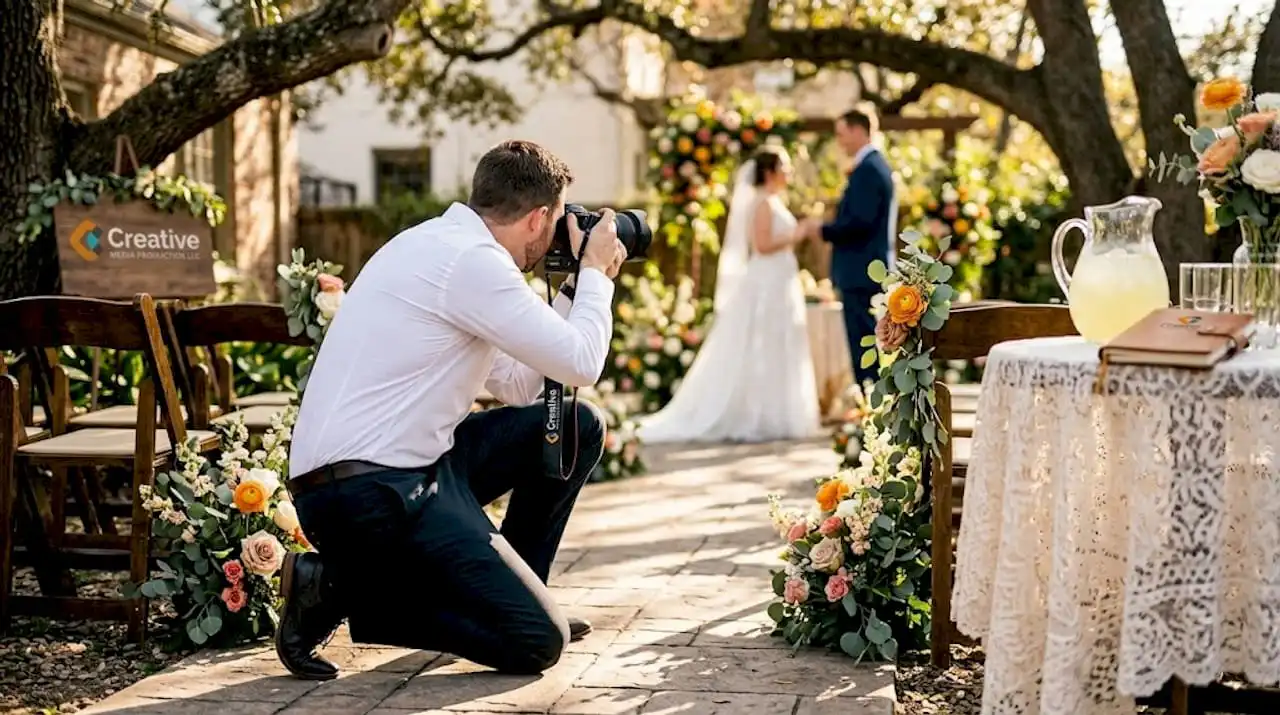
Wedding photography preserves moments as individual frames. It gives you the still image of your partner seeing you for the first time, the look on your parents’ faces during the ceremony, and the group portraits that end up framed on walls and shared for generations. A strong wedding photo gallery is timeless, easy to revisit, and practical to print, post, and keep.
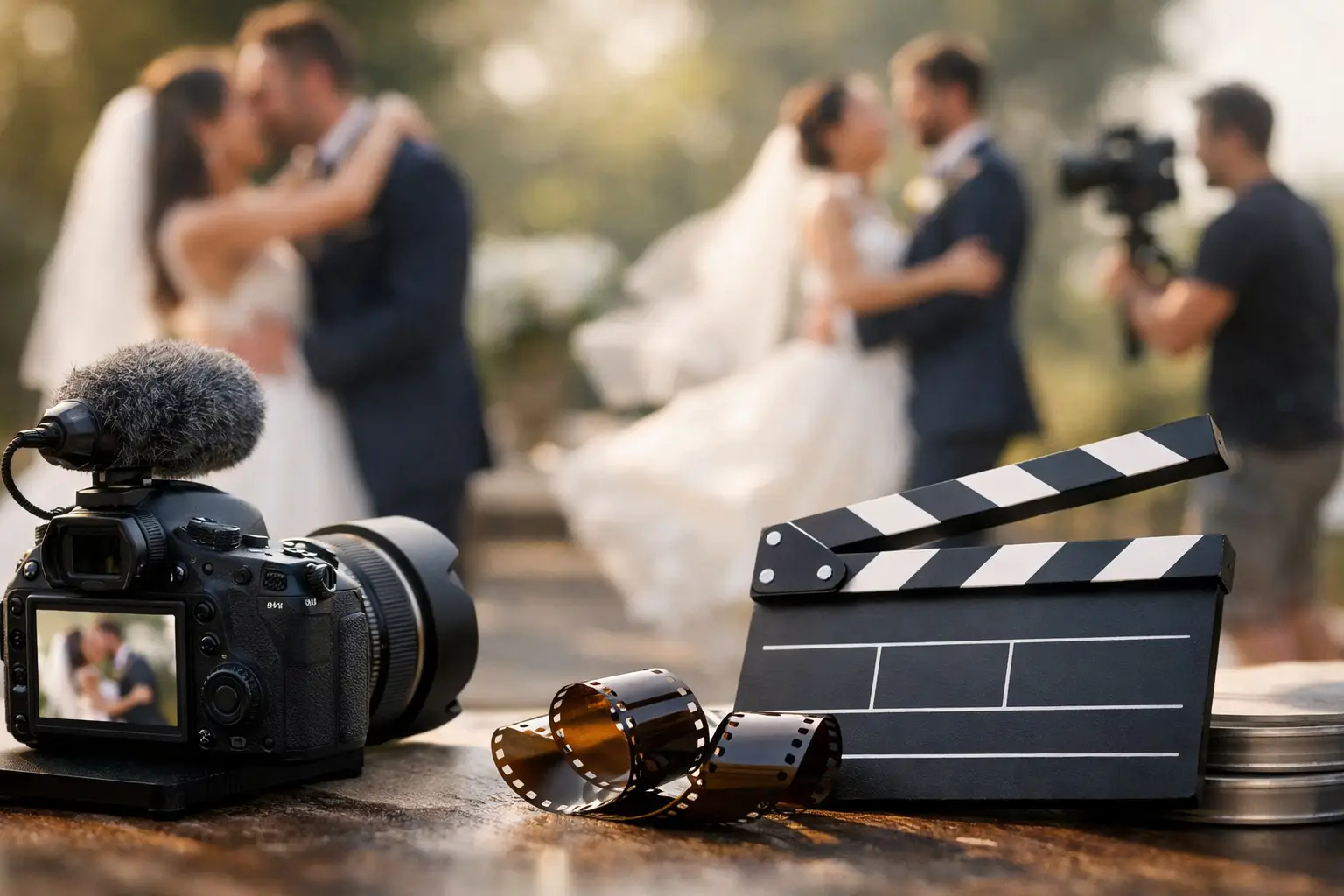
Wedding videography captures movement, sound, and pacing. It lets you hear your vows again, watch the ceremony unfold, and relive the energy of the reception in a way photos simply cannot. Great wedding films are emotional because they do more than show what happened. They bring back how it felt.
Neither format is better in every situation. They do different jobs. Photography is often about preserving key moments with clarity and elegance. Videography is about preserving atmosphere, motion, and voice.
When photography should come first
If you are choosing only one service, photography is often the first recommendation for weddings. There is a simple reason for that: photos cover a wide range of needs after the event. You can print them, frame them, send them to family, add them to thank-you cards, and revisit them quickly without setting aside time to watch a full film.
Photography also tends to fit naturally into how families preserve milestones. Albums become heirlooms. Portraits become part of your home. Group shots become records of who was there in that exact season of life.
For couples planning a smaller wedding, a tight timeline, or a more budget-conscious celebration, photography usually delivers the broadest long-term value. If your biggest priority is having polished, story-driven visuals of the people and moments that mattered most, photography often carries the most weight.
That said, photography does have limits. It cannot preserve the sound of your vows, the tone of the speeches, or the movement of your first dance. It can suggest those moments beautifully, but it cannot replay them.
When videography should come first
Videography becomes especially valuable when the emotional experience of the day is your main priority. If you already know you will want to hear your vows again, watch your family react in real time, or relive the rhythm of the day, video offers something photography cannot replace.
It is also a strong priority for couples with loved ones who cannot attend. A wedding film gives absent family and friends a much fuller sense of the event than a gallery alone. For destination weddings in Hawaii, that can matter even more. Guests who could not make the trip often appreciate being able to see and hear the ceremony rather than just viewing the highlights.
Videography also captures in-between moments exceptionally well. The laughter before the ceremony, the movement of the dress in the wind, the way your partner’s voice changes during vows – those details are often what make a wedding film feel deeply personal.
The trade-off is that video is less instantly practical than photos. You are not framing a five-minute highlight film in your hallway. You are sitting down to experience it. That can make videography feel more emotional, but sometimes less frequently revisited in everyday life.
Why many couples regret skipping video
A common pattern in weddings is that couples who book photography rarely regret having photos. Couples who skip videography sometimes do regret not having sound and motion preserved.
That regret usually shows up around speeches, vows, and candid interactions with family members. Still images can capture the expression on a parent’s face, but they cannot replay the words. They cannot bring back a laugh, a voice, or the cadence of a toast.
This does not mean every wedding must have a videographer. It means couples should make that choice with a clear understanding of what they are giving up. If spoken moments are central to your day, if your ceremony is highly personal, or if family connection is a major part of the event, video deserves serious consideration.
Why many couples still choose photography only
Even with the emotional value of video, photography remains the most common standalone choice for practical reasons. Budget is a major one. Adding both services can increase your investment, especially if you want full-day coverage and a team large enough to work efficiently without missing moments.
Some couples also know their own habits. They may be the kind of people who print albums, share favorite images, and revisit photos often, but rarely sit down to watch longer videos. In that case, photography may align better with how they actually preserve memories.
There is also the question of event style. A very intimate ceremony with a simple reception may not need a cinematic film to feel complete. In some weddings, a strong photo collection tells the story beautifully on its own.
How to decide what fits your wedding best
The best way to choose between wedding photography and videography is to think beyond the booking phase and imagine yourself one, five, and twenty years after the event.
Ask yourself what you will reach for first. If you picture opening an album, hanging portraits, and sharing images with family, photography should be your foundation. If you picture replaying vows, hearing speeches, and seeing the day unfold again, videography may deserve equal or greater priority.
It also helps to look at your timeline and guest experience. If your wedding includes meaningful speeches, cultural traditions, live music, or emotional ceremony moments, video adds more value. If your celebration is centered on portraits, family groupings, and elegant visual details, photography may do more of the heavy lifting.
Budget should be part of the conversation, but not the only part. Couples often focus on coverage hours and package totals without asking what they would miss most if one format were not there. That question usually leads to a more confident decision.
If your budget allows, both usually work best
For most weddings, the strongest coverage comes from having both photography and videography. They complement each other rather than compete.
Photos give you the clean, timeless stills you will use constantly. Video gives you the living memory of the day. Together, they preserve both the appearance of the event and its emotion.
The key is working with a professional team that can coordinate coverage smoothly. Weddings move fast. You want photographers and videographers who understand pacing, communicate clearly, and know how to capture the same moment from different angles without creating friction or delay. That is where experience matters just as much as artistic skill.
A reliable team also makes planning easier before the wedding. Clear consultation, timeline guidance, and style alignment reduce event-day stress and help make sure your priorities are captured properly. That level of preparation is often what separates average coverage from a polished final result.
At Creative Media Production LLC, that planning-first approach matters because couples do not just need beautiful visuals. They need dependable service, strong communication, and fast turnaround they can trust.
What to ask before you book
Whether you choose one service or both, ask to see complete wedding galleries and full film samples, not just highlight reels or social media favorites. You want to know how consistently the team handles real timelines, changing light, family moments, and reception coverage.
You should also ask how they coordinate with planners, DJs, and venues, how audio is captured for vows and speeches, what turnaround time to expect, and whether the package matches your actual priorities. A polished portfolio matters, but so does punctuality, professionalism, and a process that keeps your day running smoothly.
The right choice is the one that reflects how you want to remember your wedding, not what someone else says every couple should do. Some weddings need a photo-first approach. Some deserve full cinematic coverage. Some need both because the story is simply too important to preserve in only one format.
Years from now, you will not be comparing package names or line items. You will be looking for the feeling of the day. Choose the kind of record you will be grateful to have when the day itself is long gone.

2 thoughts on “Wedding Photography vs Videography”
Pingback: Choosing an Event Photo and Video Team Oahu - Creative Media Production LLC
Pingback: Oahu Wedding Photographer Timeline Planning - Creative Media Production LLC