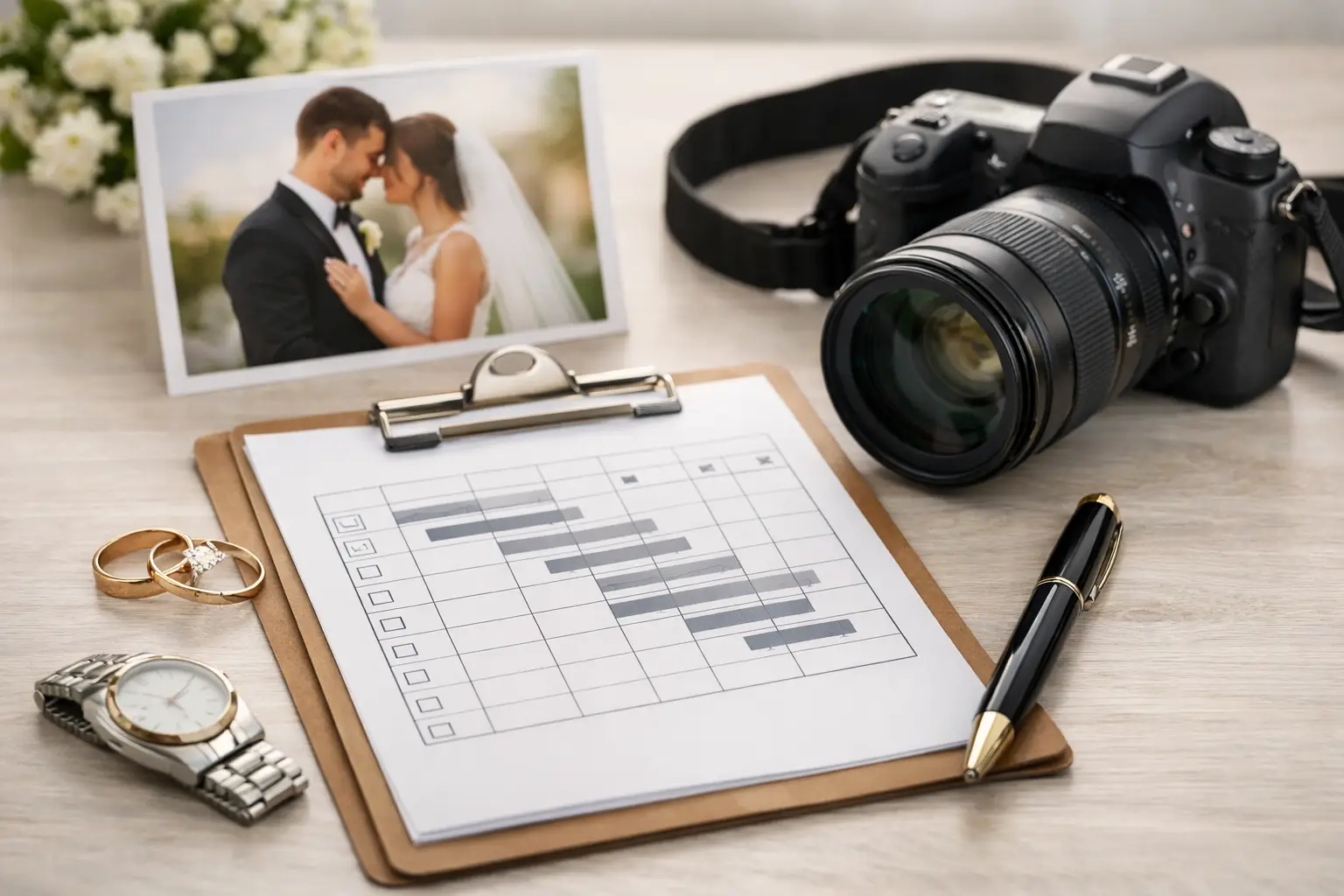
TL;DR:
- Proper planning, clear communication, and location permits are essential for capturing genuine Hawaii wedding moments.
- Building a detailed timeline and selecting suitable locations with contingency plans ensures a smooth photography process.
- Trust and emotional connection with your photographer lead to authentic, memorable wedding photos.
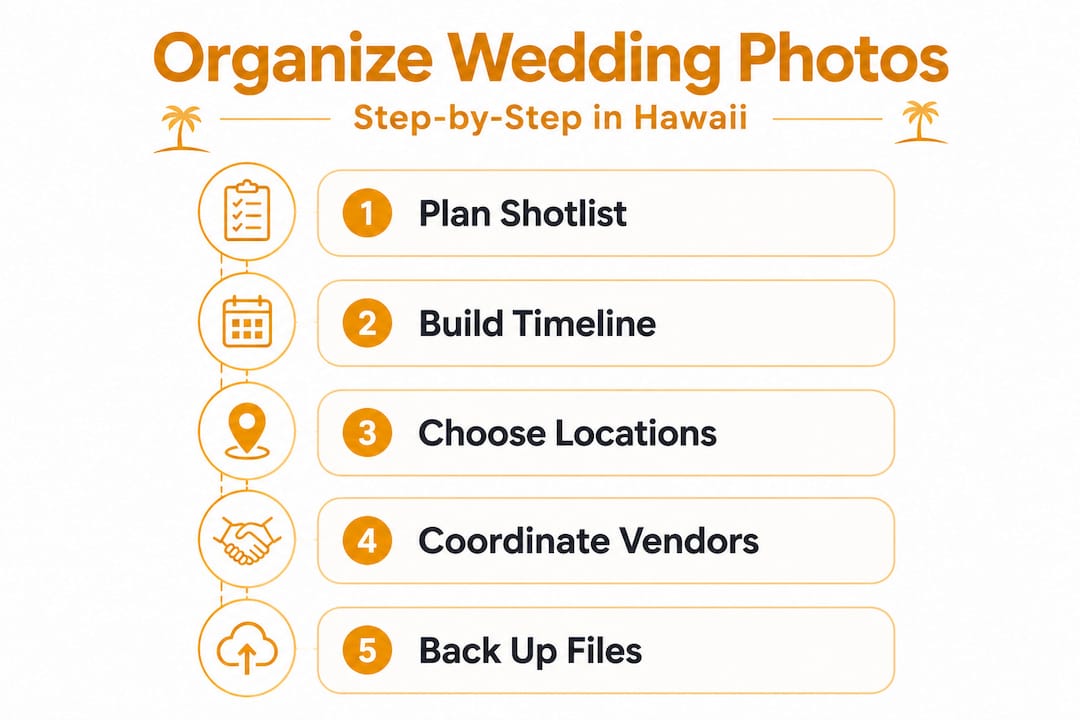
Planning a Hawaiian wedding is a dream come true, but countless couples have watched that dream blur into a blurry, disorganized slideshow of missed moments. The bridal party gathered on the wrong beach. The sunset ceremony started 20 minutes late. The photographer never got the shot list. These are real, avoidable mistakes that happen when photography planning gets treated as an afterthought. This guide walks you through every step, from locking in your vision to coordinating vendors, so that every precious moment of your Hawaii wedding is captured exactly the way you imagined it.
Table of Contents
- What you need to organize wedding photography in Hawaii
- Step-by-step: Organizing a wedding photography timeline
- Picking the perfect Hawaiian locations for photos
- Coordinating with your photographer and other vendors
- Troubleshooting common wedding photography challenges in Hawaii
- The one thing most couples overlook: Real stories from Hawaii weddings
- Get expert help organizing your dream Hawaii wedding photography
- Frequently asked questions
Key Takeaways
| Point | Details |
|---|---|
| Early planning is essential | Securing your photographer and building a timeline months in advance ensures better results. |
| Location logistics matter | Consider permits, accessibility, and lighting for your chosen Hawaii backdrops. |
| Collaborate with vendors | Open communication between vendors reduces stress and avoids missed photo moments. |
| Prepare for surprises | Have a backup plan for weather and unforeseen delays so your special day stays on track. |
| Personal touches count | Aligning your vision with your photographer creates photos that truly reflect your story. |
What you need to organize wedding photography in Hawaii
To begin organizing your photography, first gather all essentials needed for effective planning. Think of this phase like packing before a hike: if you forget something critical, you won’t notice until you’re halfway up the mountain with no way back.
Here are the core essentials every couple needs before photography planning begins:
- A clear visual vision: Mood boards, Pinterest collections, or sample galleries from photographers you admire
- A realistic budget: Know what you can spend on photography and videography before approaching vendors
- A shot list: A written document of every must-have photo, from the first look to the bouquet toss
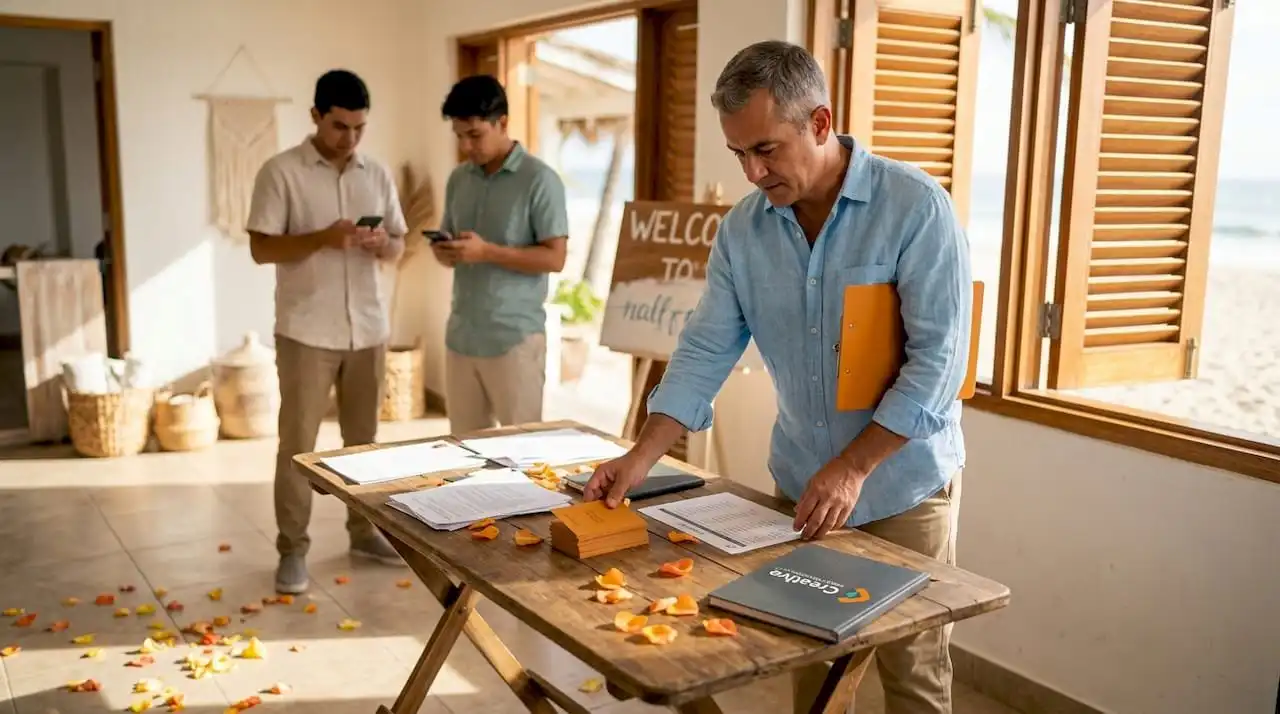
- A vendor contact list: Names, phone numbers, and emails for every vendor involved in the day
- A working timeline: A minute-by-minute breakdown of the entire wedding day
- Permit documentation: Copies of any permits required for your chosen locations
One of the most overlooked essentials is the permit. Hawaii’s most popular beaches and parks often require commercial photography permits. Waimea Bay, Diamond Head, and sections of Kailua Beach all fall under state or county jurisdiction. Research your location requirements at least three months in advance to avoid scrambling.
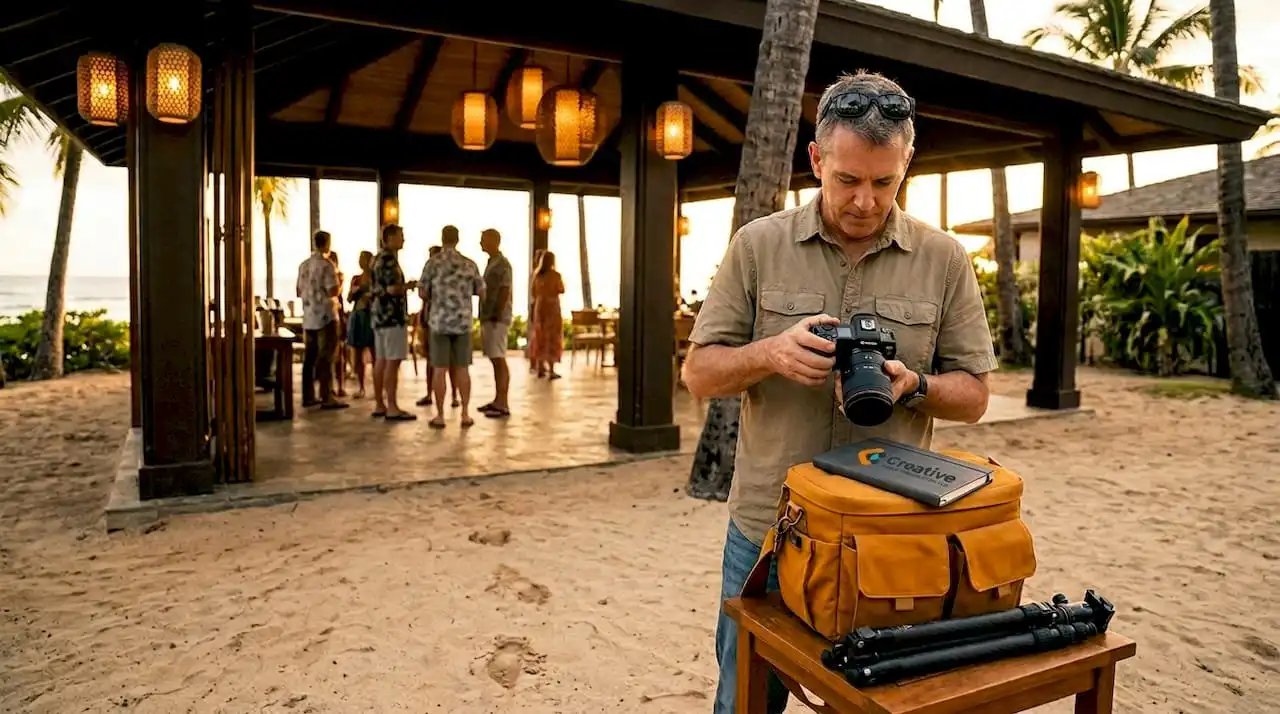
Professional photographers who plan weddings know that preparation is what separates a good photo session from a great one. Experienced photographers don’t just show up with a camera. They review the venue, study the light, and prepare for every scenario before the big day.
Pro Tip: Create a single shared folder (Google Drive or Dropbox) that contains your timeline, shot list, vendor contacts, and permit copies. Share it with your photographer, coordinator, and wedding planner so everyone works from the same source.
Here’s a quick reference table for the key roles involved in wedding photography organization:
| Role | Responsibility |
|---|---|
| Couple | Provide vision, approve shot list, confirm timeline |
| Photographer | Execute shot list, manage lighting, direct poses |
| Coordinator | Keep the day on schedule, cue photo moments |
| Bridal party | Be available for group shots, follow photographer’s direction |
| Photo point-person | Help gather guests for group photos on command |
When you explore wedding media services in Hawaii, you’ll quickly notice that experienced providers offer pre-wedding consultations specifically to build these foundations before your day arrives. When you hire a wedding photographer in Hawaii, look for someone who asks detailed questions about your day rather than just confirming the booking.
Step-by-step: Organizing a wedding photography timeline
With your essentials in place, you’re ready to build a detailed wedding photo timeline. A timeline is not just a schedule. It’s the backbone of your entire photography plan.
Follow these steps to build an effective Hawaii wedding photography timeline:
- Start with ceremony time: Anchor everything to when vows are exchanged. Work backward for pre-ceremony prep and forward for reception coverage.
- Add hair and makeup time: Budget 30 to 45 minutes per bridesmaid for getting-ready shots. These candid moments are often fan favorites.
- Schedule a first look (if applicable): A private first look can free up 20 to 30 minutes that would otherwise be spent on couples portraits post-ceremony.
- Build in travel time: Moving between a beach ceremony and a resort reception in Oahu traffic takes longer than most couples expect.
- Lock in golden hour: More on this in the next section, but plan for at least 20 to 30 minutes of sunset portraits if the schedule allows.
- Map reception events: First dance, toasts, cake cutting, bouquet toss. Each takes photos, so each needs a time slot.
- Add buffer time: At every major transition, add a 10 to 15 minute buffer for the unexpected.
A well-designed wedding photo checklist can guide your timeline planning by ensuring no moments are overlooked. Experienced photographers who follow Oahu wedding photographer timeline planning practices know that a thorough plan is what keeps photo stress at zero even when small things go sideways.
Here’s a sample timeline for a typical Hawaiian beach wedding:
| Time | Event | Photo Priority |
|---|---|---|
| 9:00 AM | Hair and makeup begins | Getting-ready candids |
| 11:30 AM | Bridal party portraits | Formal and fun group shots |
| 12:30 PM | First look (couples only) | Intimate portraits |
| 1:00 PM | Family formals | Structured group photos |
| 2:00 PM | Ceremony | Vows, rings, first kiss |
| 3:00 PM | Cocktail hour | Candid guest moments |
| 5:30 PM | Golden hour couples session | Romantic beach portraits |
| 6:30 PM | Reception begins | Speeches, dances, celebration |
You can review full photography packages overview options to understand how many hours of coverage you’ll need to accommodate this kind of day.
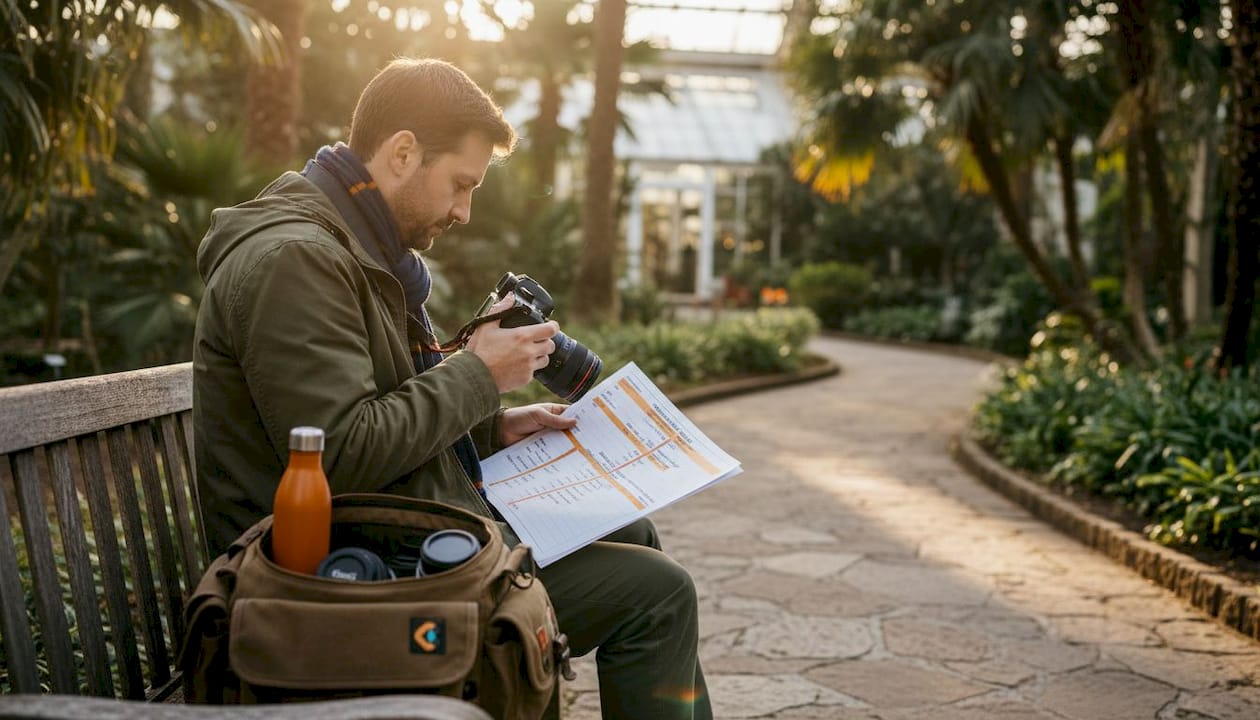
Pro Tip: Always build a 15 to 20 minute weather buffer into your outdoor photo blocks. Hawaii’s trade winds can shift quickly, and a brief rain shower can delay a beach portrait session by 20 minutes or more.
Picking the perfect Hawaiian locations for photos
After your timeline is set, it’s time to select the perfect Hawaiian backdrops for your photos. Hawaii is one of the most visually stunning places on Earth, but not every gorgeous location is practical for a wedding.
Popular location categories include:
- Beaches: Lanikai Beach, Waimanalo Beach, Sunset Beach. Stunning, but permits often required and parking can be limited.
- Botanical gardens: Ho’omaluhia Botanical Garden in Kaneohe offers lush, dramatic greenery with mountain backdrops. Very photogenic but subject to weather and permit rules.
- Historic sites: Iolani Palace or the USS Arizona Memorial area. Unique atmosphere, but restrictions may limit photography angles.
- Resort properties: Many Waikiki and Ko Olina resorts offer built-in backdrops, but require prior approval for wedding photography and may charge a location fee.
When narrowing down your choices, review event photography shot lists to understand how different environments affect which shots are achievable. A cliffside location, for example, may produce stunning images but makes group wrangling much harder.
Use this comparison to help decide:
| Location type | Pros | Cons |
|---|---|---|
| Beach | Iconic scenery, natural light | Permit needed, wind, sand, crowds |
| Botanical garden | Lush greenery, shaded areas | Weather dependent, parking limited |
| Indoor venue | Weather-proof, controlled lighting | Less natural feel, artificial light challenges |
Managing logistics for moving groups between locations is one of the biggest challenges couples underestimate. If you plan more than two locations on the wedding day, assign a dedicated point-person to organize transportation and keep the group together. A 20-person bridal party at a beach needs someone actively herding people toward the next stop.
Golden hour in Hawaii is unlike anywhere else in the world. The sun sets into the Pacific Ocean at a low angle, casting warm amber and pink tones across the sky. This light, which lasts roughly 20 to 40 minutes before sunset, is when portraits come alive. Most photographers consider it the single best 30-minute window of the entire day for romantic couples shots.
An essential part of location planning is checking the best photo moments checklist to ensure each location you choose can accommodate the kinds of shots on your list. There’s no point in driving 45 minutes to a waterfall if none of your must-have shots require a waterfall background.
Coordinating with your photographer and other vendors
With locations chosen, the next step is seamless coordination between your team and vendors. Poor communication between vendors is one of the most common causes of missed moments and rushed photo sessions.
Here’s what you should share with your photographer before the wedding day:
- Full wedding timeline: Not just photo times, but the entire day so they can anticipate what’s coming
- Shot list with priorities: Clearly mark which shots are non-negotiable versus nice-to-have
- Family structure notes: Divorced parents, blended families, and estranged relatives all affect how group shots are organized
- Location logistics: Parking details, permit copies, and the order in which you’ll visit locations
- Other vendor contacts: Hair stylist’s number in case makeup runs long, florist’s arrival time so bouquets are ready for portraits
Aligning your vision with your photographer’s creative style requires more than a single phone call. Book at least two planning meetings: one when you first hire them and one closer to the wedding date to review final details. During these sessions, show reference images, discuss lighting preferences, and clarify any non-negotiable moments.
Coordinating with hair and makeup stylists is particularly important. A delayed makeup session cascades through the entire timeline. If portraits are scheduled for 11:30 AM and makeup runs until noon, you lose your best mid-morning light. Build a direct communication channel between your photographer and your makeup artist so both know the time stakes.
Time-saving shoot planning research shows that efficient coordination reduces photo-related stress significantly and leads to more natural, relaxed images.
Pro Tip: Designate one person in your bridal party as the official “photo point-person.” This person knows the shot list, can gather family members quickly, and is empowered to keep photo sessions moving. It frees your photographer to focus on the camera instead of crowd management.
Troubleshooting common wedding photography challenges in Hawaii
Even with perfect planning, knowing how to handle obstacles ensures your day runs smoothly. Hawaii’s weather, while generally beautiful, can surprise even the most prepared couples.
Here’s how to handle the most common challenges:
- Sudden rain: Hawaii rain is often brief. Wait it out under shelter, and you may find dramatic post-rain light that makes for extraordinary photos. Always have an indoor backup location confirmed in advance.
- Strong wind: Wind is a constant factor on Oahu’s beaches. Discuss wind-aware shot angles with your photographer ahead of time. Avoid locations like the Pali Lookout for formal portraits on especially windy days.
- Schedule delays: Ceremonies running late push everything back. Your photographer needs to know your priorities if time gets squeezed. Which 10 shots are absolutely essential if you lose 45 minutes?
- Missing vendors: A florist who arrives late means no bouquets for portraits. Always have vendor phone numbers accessible on the day, and assign someone other than the bride to handle vendor check-ins.
- Large group management: Group photos are where timelines fall apart. Pre-assign someone to call out family groupings so the photographer doesn’t have to learn names on the fly.
Thorough pre-event planning is the best safeguard against these pitfalls, but even the most detailed plan needs a contingency layer. Think through your top three most likely disruptions and have a written backup plan for each.
Experienced event planners know that corporate event photography planning principles translate directly to weddings: build in contingency time, communicate clearly with every stakeholder, and review the plan as a team before the day begins.
A rigid mindset is your biggest enemy on a wedding day. Couples who embrace small changes with flexibility consistently end up with better photos than those who panic when things shift. Your photographer works better when the atmosphere is relaxed and joyful.
Pro Tip: Write a one-page “day-of contingency guide” and share it with your coordinator and photographer. List your backup location, the two or three shots you’d cut first if time gets tight, and your priority couple portrait time. This document takes 20 minutes to write and saves hours of stress.
The one thing most couples overlook: Real stories from Hawaii weddings
Now that you’ve seen how to troubleshoot, let’s look at the mindset and approach that make all the difference. After 15 years of covering weddings across Oahu, we’ve noticed a pattern that no checklist captures.
Couples who obsess over the perfect location but neglect communication with their photographer almost always walk away feeling something was missing. We photographed a couple who booked Lanikai Beach at sunrise because the Instagram photos were stunning. They didn’t discuss shot styles, emotional priorities, or which family groups mattered most. The location was breathtaking. The photos were technically fine. But they weren’t theirs. There was no emotional fingerprint on the images.
The misconception is that Hawaii does the heavy lifting. The ocean, the light, the flowers. Just show up and beautiful photos happen automatically. That’s simply not true. The most powerful images come from genuine emotion, and genuine emotion comes from trust between a couple and their photographer.
One bride told us she wished she’d spent half the time she spent on Pinterest actually talking to her photographer about what made her laugh, what made her nervous, and what she wanted to feel when she looked at her photos 20 years from now. That conversation changes everything.
Many couples also struggle with deciding between photography vs. video priorities when planning their media coverage, which is worth thinking through early so both are given proper attention in the timeline.
The final lesson? Trust your photographer. Share your story. Build a real connection before the day arrives. The couples who do that almost always love their images, regardless of whether it rained or the florist was late.
Get expert help organizing your dream Hawaii wedding photography
Ready to make wedding photography organization simple and stress-free? Professional help is just a click away.
Planning a Hawaii wedding is complex, but you don’t have to figure it out alone. Our team at Creative Media Production brings over 15 years of on-island experience to every wedding we photograph across Honolulu, Waikiki, Kailua, and beyond. We offer personalized planning consultations, detailed shot list development, and location scouting built into every package.

Whether you’re just starting your search or ready to book, explore our Oahu wedding photography services to see our portfolio and learn how we approach each wedding with intention. Our wedding photography packages are designed to cover every moment from the quiet getting-ready shots to the final dance, with a turnaround time that gets your images back to you quickly. Reach out today to start planning your perfect Hawaii wedding photo story.
Frequently asked questions
How far in advance should we book a wedding photographer in Hawaii?
Most couples book their Hawaii photographer 9 to 12 months in advance to secure their preferred date and photography style. Popular wedding weekends book out even faster, so earlier is always better.
Do we need a photography permit for public beaches in Hawaii?
Yes, most public beaches and parks in Hawaii require a permit for professional wedding photography. Always check local county and state regulations before confirming your location.
How do we choose the right photo locations for our Hawaii wedding?
Consider scenery, accessibility, permit requirements, and time of day, and use a detailed photo checklist to confirm each location can support your must-have shots. Your photographer’s local knowledge is invaluable here.
What’s the best time for wedding photos in Hawaii?
Most photographers recommend golden hour, just before sunset, for the warmest and most flattering natural light on Hawaii’s beaches and landscapes.
What if it rains on our Hawaii wedding day?
Prepare a confirmed indoor backup location in advance and discuss contingency priorities with your photography and vendor team so everyone stays calm and adaptive when the weather shifts.
Recommended
- Why hire a professional photographer for your Hawaii wedding
- Choosing premium photography packages for Hawaii weddings
- Oahu Wedding Photography for Beautiful Love Stories
- Memorable moments to capture at your Oahu wedding
- Destination wedding fotografas: Kaip išsirinkti savo šventės metraštininką? – Vestuvių fotografas Mantas Janavičius