TL;DR:
- Effective corporate event photography combines staged assets with candid shots to capture genuine emotion.
- Preparation, proper equipment, and strategic shot selection are essential for authentic and impactful images.
- Authentic, spontaneous photos build stronger team pride and better reinforce brand personality.
Corporate event planners invest thousands of dollars in venues, catering, and speakers, only to end up with a gallery full of stiff, forced smiles and empty conference rooms. The problem is not the photographer’s skill. It’s a strategy gap. Truly great event photography blends staged brand assets with candid shots that show genuine interaction, real emotion, and the human energy that makes your company worth working for. This guide gives you a practical, step-by-step approach to building a photography strategy that captures the moments your team will actually remember, and the visuals your brand genuinely needs.
Table of Contents
- Assessing your corporate event’s priorities
- Preparing for authentic captures: Tools, settings, and lighting
- Capturing the moment: Step-by-step execution
- Reviewing and selecting authentic shots
- Our take: Why authenticity elevates your corporate brand
- Connect with skilled corporate photographers in Oahu
- Frequently asked questions
Key Takeaways
| Point | Details |
|---|---|
| Blend staged and candid | Mix professional brand photos with spontaneous moments for a dynamic event gallery. |
| Prioritize critical moments | Identify speeches, networking, reactions, and branding to ensure no key shot is missed. |
| Prepare for low light | Use wide-aperture lenses, higher ISO, and bounce flash for clear photos in dim venues. |
| Curate for authenticity | Select photos that capture true engagement and emotion to strengthen corporate identity. |
Assessing your corporate event’s priorities
Before a single photo is taken, you need a clear picture of what success looks like. This sounds obvious, but most corporate event galleries fail at this first step. Planners hand a brief to a photographer, assume they share the same priorities, and then discover afterward that half the key moments were missed or shot from the wrong angle.
Start by listing every segment of your event and assigning it a priority level. Think about what your stakeholders will need the images for. Are these photos going into an internal newsletter to boost morale? Will they appear on your company website or LinkedIn page for recruiting purposes? Will they be sent to sponsors as proof of brand visibility? Each use case demands a different type of shot.
Key moments you should never miss at a corporate event:
- Opening remarks and keynote speeches (wide room shots and close-up expressions)
- Award ceremonies and recognition moments (reactions matter as much as the handshake)
- Networking breaks and informal conversations (where the most authentic moments live)
- Team-building activities (movement, laughter, genuine collaboration)
- Sponsor logos, branded signage, and product displays
- Group photos with leadership and full-team shots
- Audience reactions during panels and Q&A sessions
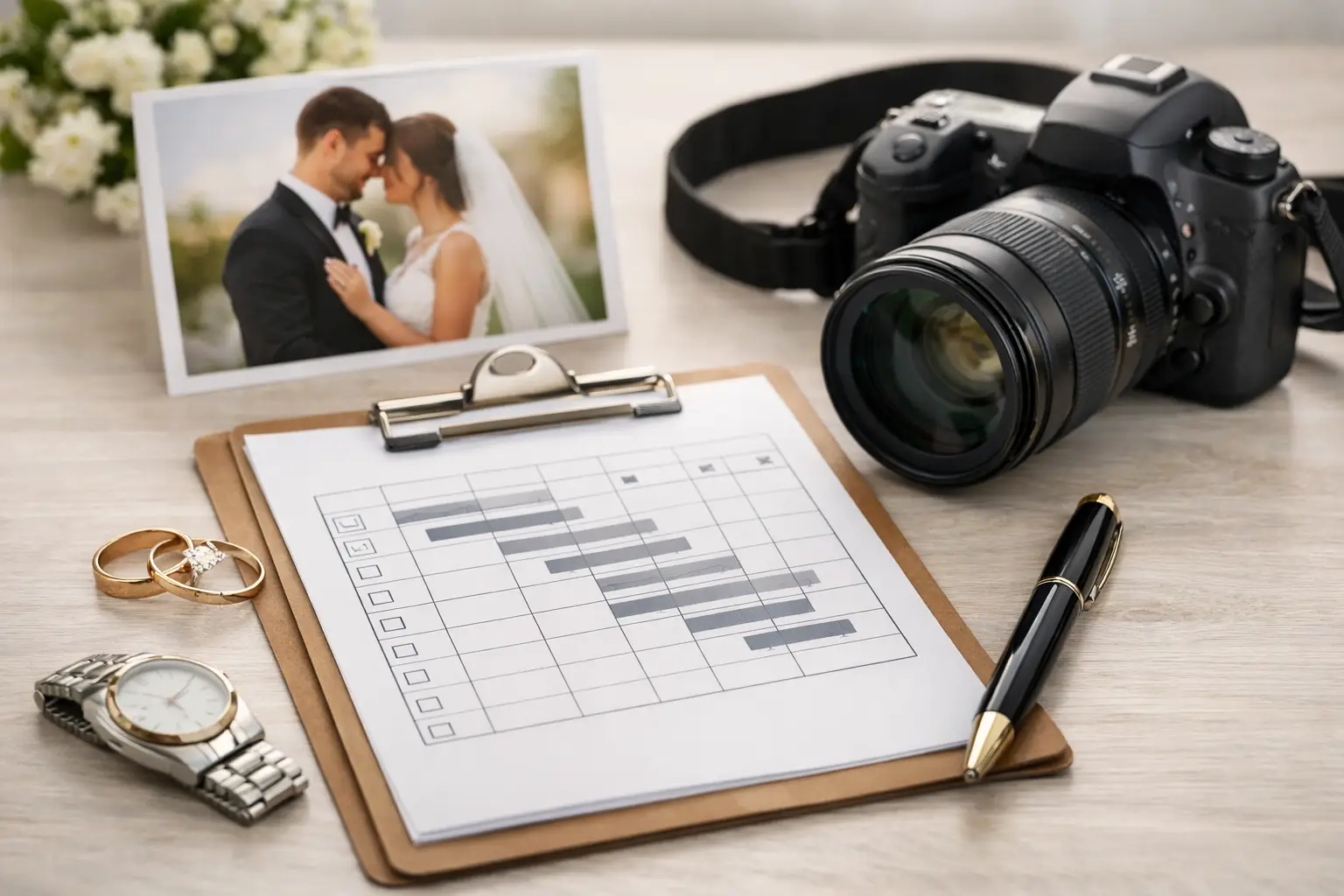
A best-practices approach to planning corporate event photography starts with a written shot list shared between the planner and the photographer at least one week before the event. This is not a creative constraint. It is a safety net that frees the photographer to focus on authentic captures rather than guessing what matters.
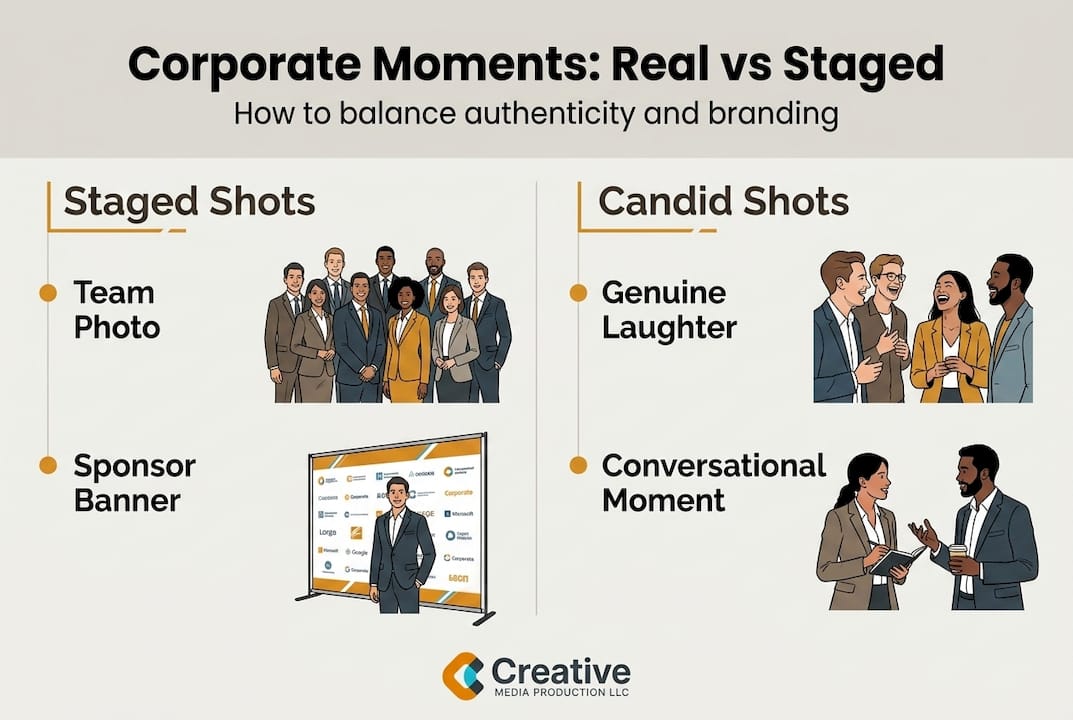
| Category | Staged shots | Candid shots |
|---|---|---|
| Purpose | Brand consistency, formal records | Storytelling, emotional connection |
| Best for | Sponsor deliverables, press releases | Internal communications, social media |
| Challenges | Can feel stiff or rehearsed | Harder to control quality |
| Lighting needs | Controlled setups preferred | Must adapt to ambient conditions |
| Planning required | High: schedules and poses needed | Low: photographer stays mobile |
| Audience response | Professional but forgettable | Personal and shareable |
The most powerful galleries include both. As the Cvent event photography guide notes, the best galleries cover context with wide establishing shots, capture audience reactions, document networking interactions, and make sure sponsor and branding details are visible. Use this framework to confirm deliverables with your internal team before you brief any photographer, especially when working with event photography for professional brands where brand standards are non-negotiable.
Preparing for authentic captures: Tools, settings, and lighting
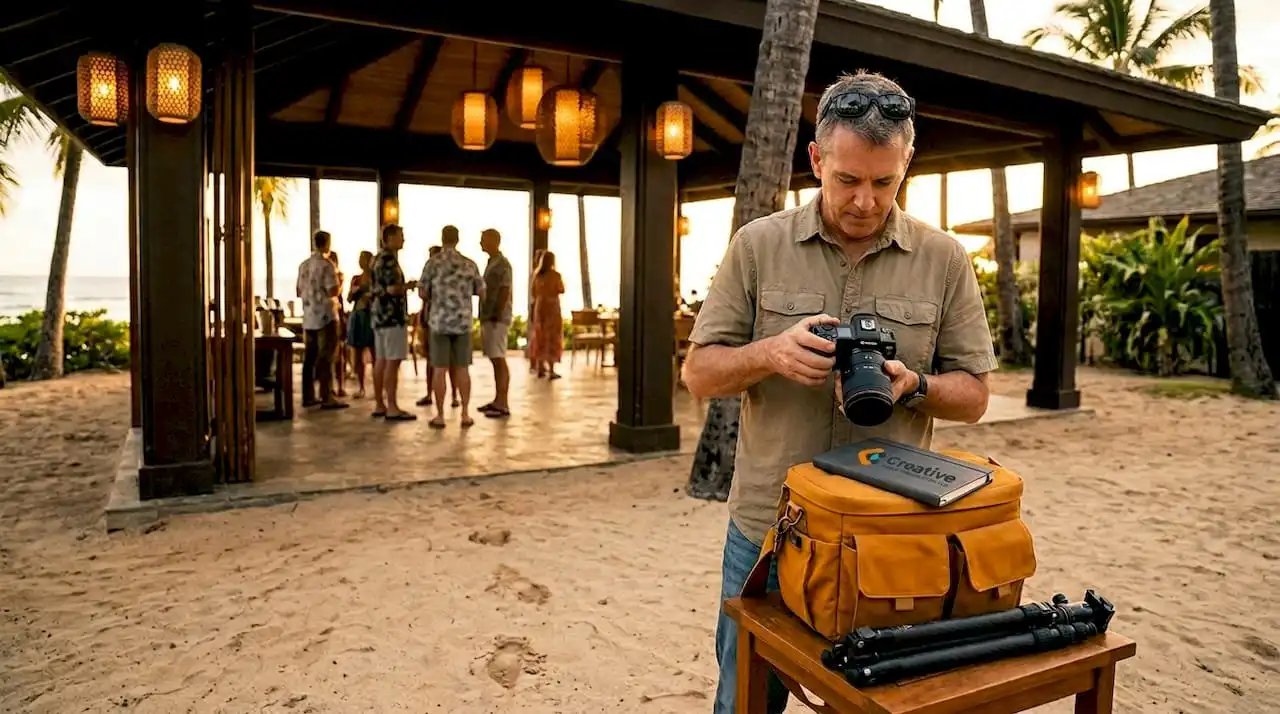
Once you know what you need to capture, the next challenge is making sure the photographer can actually do it. Oahu’s corporate venues range from beachfront lanais at sunset to windowless conference rooms in downtown Honolulu. Each environment creates completely different technical demands. This is not the place to cut corners.
Recommended gear for corporate event photography:
| Equipment | Why it matters |
|---|---|
| Full-frame camera body (e.g., Sony A7 series, Canon R5) | Better low-light performance and dynamic range |
| 24-70mm f/2.8 zoom lens | Versatile for both wide room shots and tighter portraits |
| 85mm f/1.8 or f/1.4 prime lens | Sharp, beautiful subject separation for speaker close-ups |
| 70-200mm f/2.8 telephoto | Captures candid moments from across the room without disruption |
| External flash with diffuser | Soft, even light that does not flatten faces or distract attendees |
| Dual memory card slots | Redundancy in case one card fails during a critical moment |
| Extra batteries (minimum 3 sets) | Corporate events run long, and battery swaps at the wrong moment cost you the shot |
Lighting is the single biggest variable that separates amateur event galleries from professional ones. Industry best practices on low light event photography consistently point to the same principles: wider apertures, higher ISO, and diffused flash. A lens that opens to f/2.8 or wider lets in significantly more light than a standard kit lens at f/5.6. That difference allows you to use a faster shutter speed, which means sharper images of people who are moving, gesturing, or laughing.
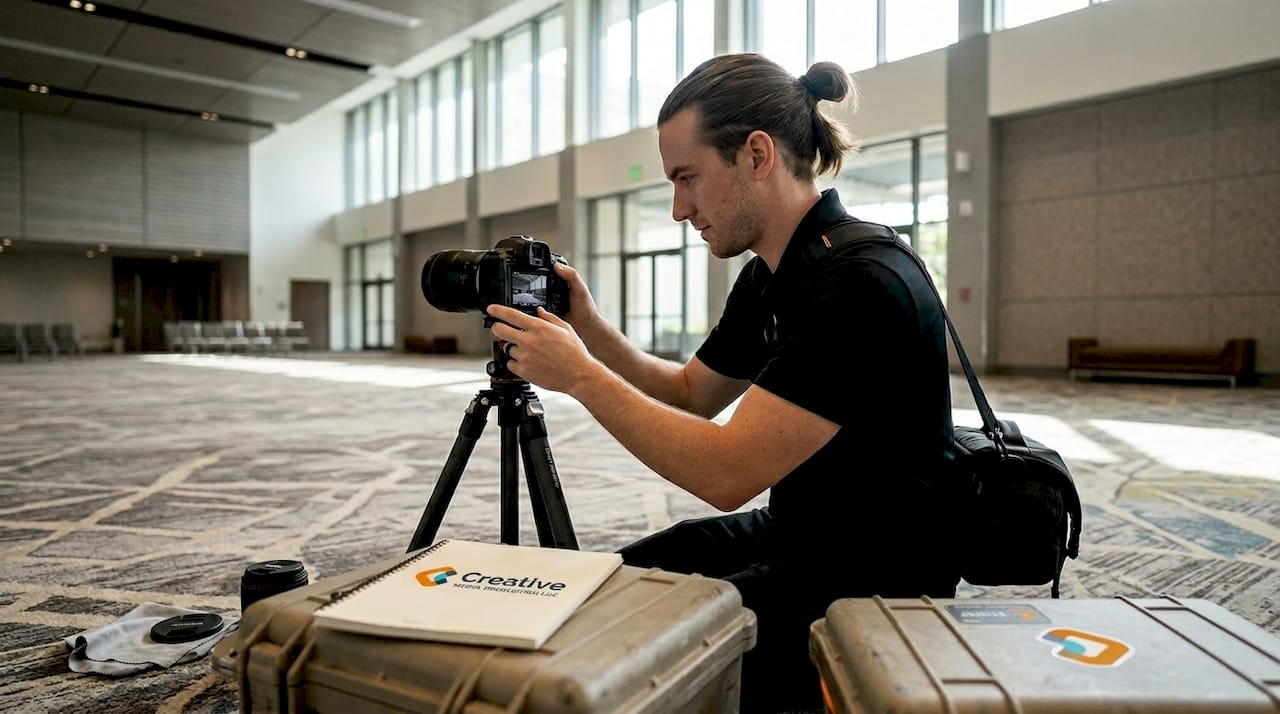
Pro Tip: When shooting indoors at corporate venues in Hawaii, bounce your external flash off the ceiling instead of firing it directly at your subjects. Ceilings are usually white or light-colored, which turns them into a giant, soft light source. This approach avoids harsh direct flash and gives your images a natural, flattering look that fits the relaxed professionalism Oahu’s business culture is known for.
Camera settings to adjust across different environments:
- Ballrooms and conference rooms: ISO 1600 to 3200, f/2.8, shutter speed at 1/125s minimum for moving subjects
- Outdoor beachfront events at golden hour: ISO 400 to 800, f/4 to f/5.6, watch for harsh shadows
- Mixed indoor/outdoor transitions: Set Auto ISO with a cap at 6400 and adjust white balance manually for each zone
- Breakout sessions with projector screens: Expose for the subject’s face, not the screen, and use a telephoto to avoid blocking the room
Understanding the specific types of event photography needed for your event helps you brief your photographer with precision. A product launch on a Waikiki rooftop needs entirely different gear preparation than an indoor leadership summit at a Honolulu convention center.
Capturing the moment: Step-by-step execution
Preparation gets you ready. Execution is where everything actually happens, and where most events lose their most powerful images. The key is having a clear system for the photographer to follow while still leaving room for genuine spontaneity.
Step-by-step approach for event day photography:
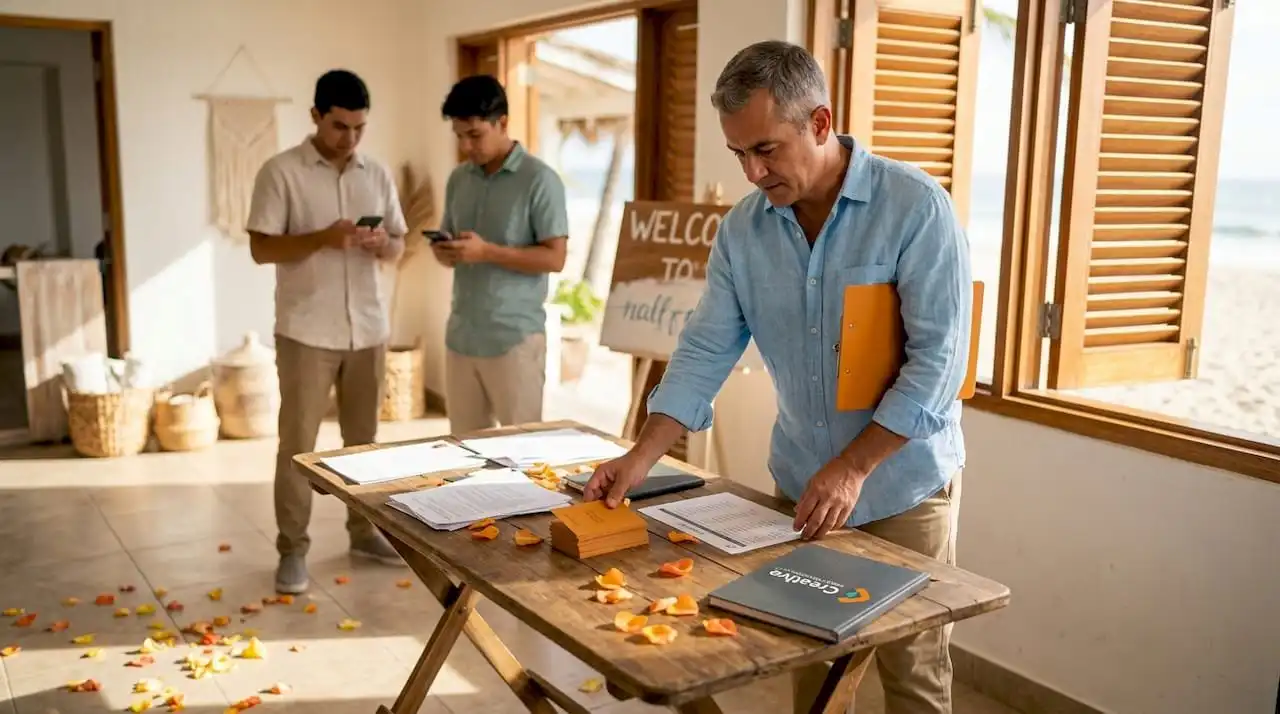
- Arrive 45 to 60 minutes early. Walk the venue, identify the best angles for speeches and panels, note where the light is flattering, and locate power outlets for battery management.
- Shoot the setup. Empty chairs, branded materials, table settings, and sponsor signage tell the story of preparation and professionalism. These shots are gold for post-event recap content.
- Capture arrivals and registration. This is when attendees are relaxed, animated, and naturally interacting. Some of the most genuine expressions happen before the program even starts.
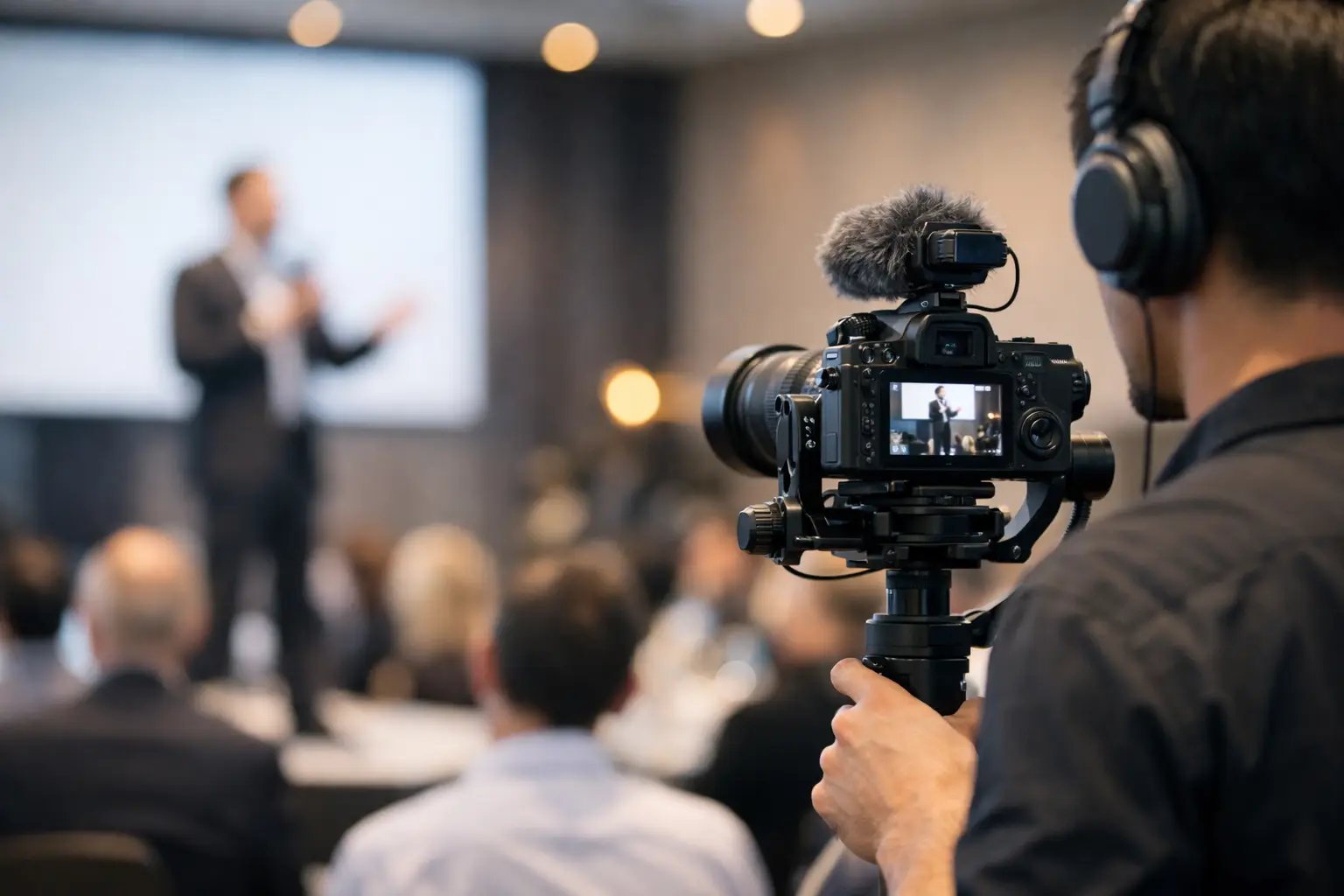
- During speeches and presentations, shoot from multiple positions. Get a wide shot showing the speaker and the audience, a medium shot of the speaker’s face and hands, and a close-up of audience reactions. Rotate positions between speakers so the gallery has visual variety.
- Prioritize reactions over poses during networking breaks. A group of executives laughing over lunch says more about your company culture than any posed group photo. Work the room quietly and let scenes develop naturally.
- Schedule posed group shots at a defined time. Do not try to wrangle everyone for a group photo at the end of the event when energy is low. Build it into your agenda, communicate the time in advance, and give the photographer five to ten minutes of dedicated access.
- Shoot branding and sponsor details intentionally. Do not leave this to chance. Walk the photographer through every piece of branded material that needs to be documented before the event begins.
Pro Tip: The most emotionally resonant corporate images rarely happen during the main program. Watch for side conversations during breaks, the moment someone receives unexpected recognition, or a team member helping a colleague. These are the frames that end up on company walls.
“The best galleries include context with wide establishing shots, audience reactions, networking interactions, and sponsor or branding details.” Cvent Event Photography Tips
Understanding the full value of expert event coverage changes how you approach the day. Photography is not just documentation. It is a tool for internal communication, recruiting, and long-term brand building. Consider pairing your photo coverage with event videography services to create a more complete storytelling package that can be repurposed across multiple platforms.
Reviewing and selecting authentic shots
The event is over. The photographer delivers a folder with hundreds or even thousands of images. Now comes the work that most planners underestimate: curation. Selecting the right images is just as strategic as capturing them.
A gallery with 300 generic shots is less useful than a tightly edited collection of 75 images that tell a clear, honest story about your event. The goal is not volume. It is narrative coherence and emotional impact.
How to filter and cull your event photos effectively:
Start by eliminating anything technically flawed. Blurry images, missed focus, closed eyes, and awkward expressions go first. This is non-negotiable, even if the framing is otherwise good. Then remove redundant shots. If you have 20 near-identical frames from the same speech, keep the two or three that show the most energy and expression.
Criteria for selecting photos that tell your event’s story:
- Emotional authenticity: Is the subject’s expression genuine? Does it reflect the actual tone of the moment?
- Contextual clarity: Does the image give the viewer a sense of where they are and what is happening?
- Brand visibility: Are logos, signage, or branded materials present and legible without being forced?
- Variety of scale: Does your final gallery include wide shots, medium shots, and close-ups in roughly equal proportion?
- Diversity of subjects: Are different team members, leadership levels, and departments represented?
- Narrative sequence: Can you arrange a selection of images that tells the day’s story from setup to close?
According to event photography best practices, the most effective galleries blend professional staged brand assets with candid in-the-moment images. When you review your photos, ask whether someone who did not attend the event would understand what happened, who was there, and why it mattered. That is the standard your gallery should meet.
After selecting your final images, consider building a corporate event recap video using the best stills alongside any video footage. This dramatically extends the life of your event content and gives you a ready-made asset for internal communications, social media, and future sponsorship pitches. Your corporate event photographer should be able to advise you on which images will translate best to motion-based formats.
Our take: Why authenticity elevates your corporate brand
After more than 15 years of photographing corporate events across Oahu, from leadership retreats in Kailua to industry conferences in downtown Honolulu, we have seen one consistent pattern. The events that invest in authentic documentation build stronger teams and stronger brands than the ones that only invest in staging.
Here is the uncomfortable truth about perfectly staged corporate photography: your employees can tell the difference. When they see a gallery full of forced smiles and rigid poses, they recognize their own discomfort in those images. That recognition does not build pride or loyalty. It does the opposite.
The candid shots, the real ones, do something different. When a team member sees themselves captured in a moment of genuine laughter, focused collaboration, or heartfelt recognition, they want to share that image. They show it to their families. They post it. They connect it to a memory that made them feel valued. That is not just good photography. That is internal marketing that no budget can buy.
Oahu’s corporate culture has its own rhythm. Business here tends to be warmer, less formal, and more relationship-driven than in many mainland cities. That culture shows up in the best event photos when a photographer understands it and knows how to wait for it. Understanding the value of expert documentation means recognizing that authenticity is not a nice-to-have. It is the asset that makes everything else in your event investment worth more.
Staged photos have their place. You need clean brand assets, sponsor deliverables, and formal group shots. But if that is all your gallery contains, you have missed the most valuable thing your event produced: evidence that your people genuinely showed up for each other.
Connect with skilled corporate photographers in Oahu
Putting these strategies into action is much easier when you have an experienced local photographer who already understands Oahu’s venues, lighting conditions, and corporate culture.
At Creative Media Productions, we have spent over 15 years documenting corporate events across Oahu with a focus on authentic, story-driven coverage. Whether you need a corporate event photographer in Oahu for a single afternoon or a full-day summit with staged and candid coverage, we tailor every package to your specific goals and deliverables. Our team understands what professional event photography requires in both technical and human terms. Explore our full range of event photography coverage options and reach out today to discuss your next corporate event.
Frequently asked questions
What are the most important corporate moments to capture?
Key moments include panels, keynote speeches, award ceremonies, networking interactions, and branding details. Best practice galleries also prioritize wide establishing shots and genuine audience reactions.
How do you handle low lighting in corporate event venues?
Use lenses with wider apertures such as f/2.8 or larger, raise your ISO as conditions demand, and use bounce flash or diffusers to produce soft, even light without harsh shadows on faces.
How can photos capture brand value and team energy?
Mix staged brand asset photos with candid in-the-moment shots to show real interaction and emotion. Blending both styles gives you visuals that satisfy sponsor requirements while also resonating with your team.
What type of photography equipment works best for corporate events?
Full-frame cameras paired with f/2.8 or wider lenses and an external flash with a diffuser give you the versatility to handle every lighting condition. Low-light corporate venues in particular demand gear that performs well at high ISO without sacrificing image quality.