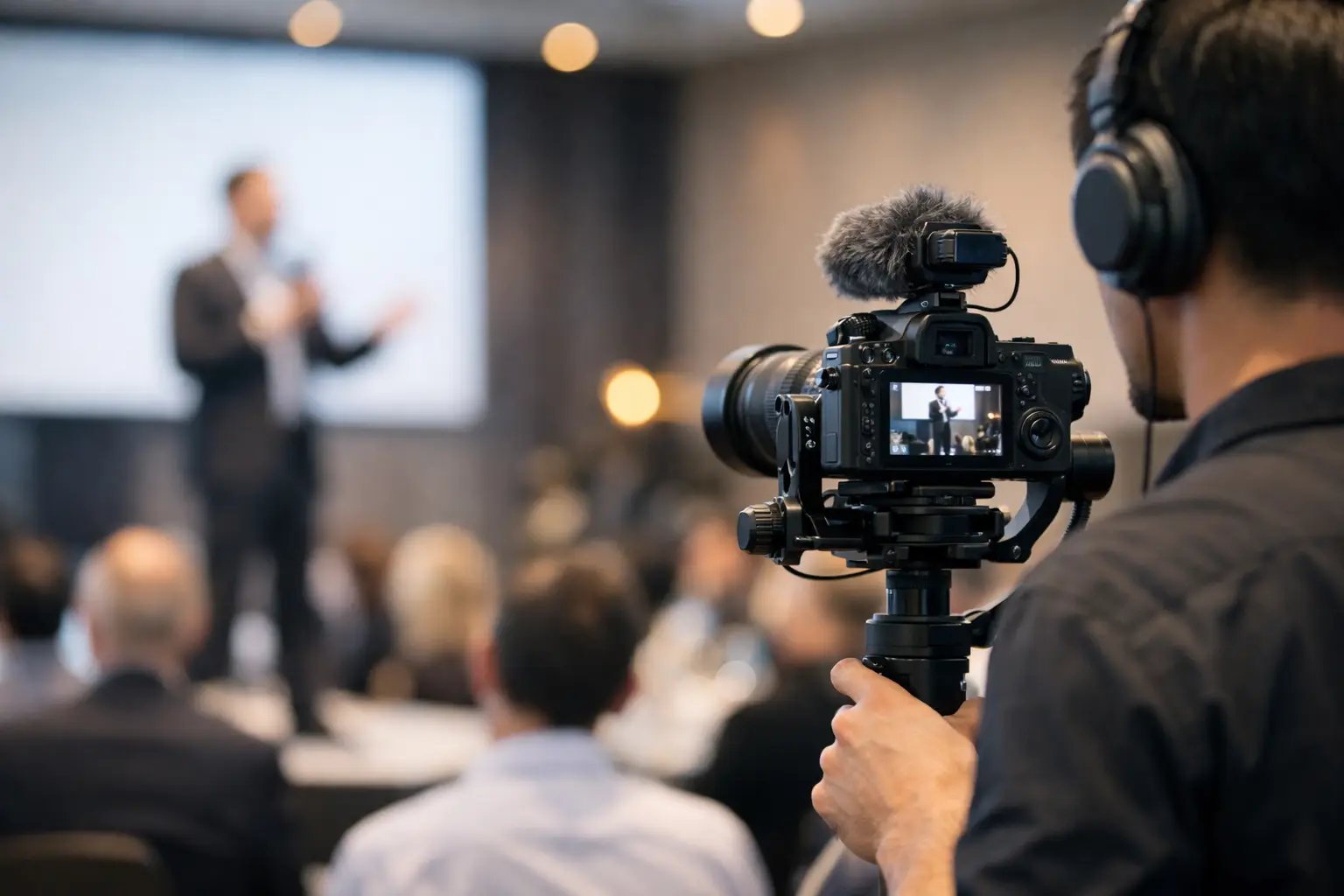
A packed ballroom, a polished keynote, strong audience energy, and a brand team that spent months getting every detail right – then the event ends, and all that momentum disappears by Monday. That is exactly why businesses invest in recap content. When you create corporate event recap video assets with intention, you turn a one-day experience into something your team can reuse for marketing, recruiting, internal communications, and future event promotion.
The best recap videos do more than prove the event happened. They show the quality of the experience, the professionalism of the brand, and the reaction people had in the room. Done well, they feel cinematic and efficient at the same time. Done poorly, they look like random clips stitched together with music.
What makes a strong corporate event recap video
A good recap video has a clear job. Sometimes that job is external marketing. Sometimes it is an internal culture piece. Sometimes it is designed to help fill seats for next year. Those goals affect everything from what gets filmed to how the final edit is paced.
That is why the first step is not choosing a song or asking for drone footage. It is deciding what the video needs to accomplish. A leadership summit may call for polished speaker moments, networking highlights, branded room details, and audience reactions that communicate credibility. A company celebration may need a warmer, more people-focused tone that shows culture, connection, and energy.
The strongest event recap videos usually balance four elements: context, people, brand presence, and momentum. Context shows the scale and professionalism of the event. People give the video emotion and relatability. Brand presence reinforces who hosted it and why it matters. Momentum keeps the edit watchable and helps the piece feel current rather than static.
Before you create corporate event recap video content, define the outcome
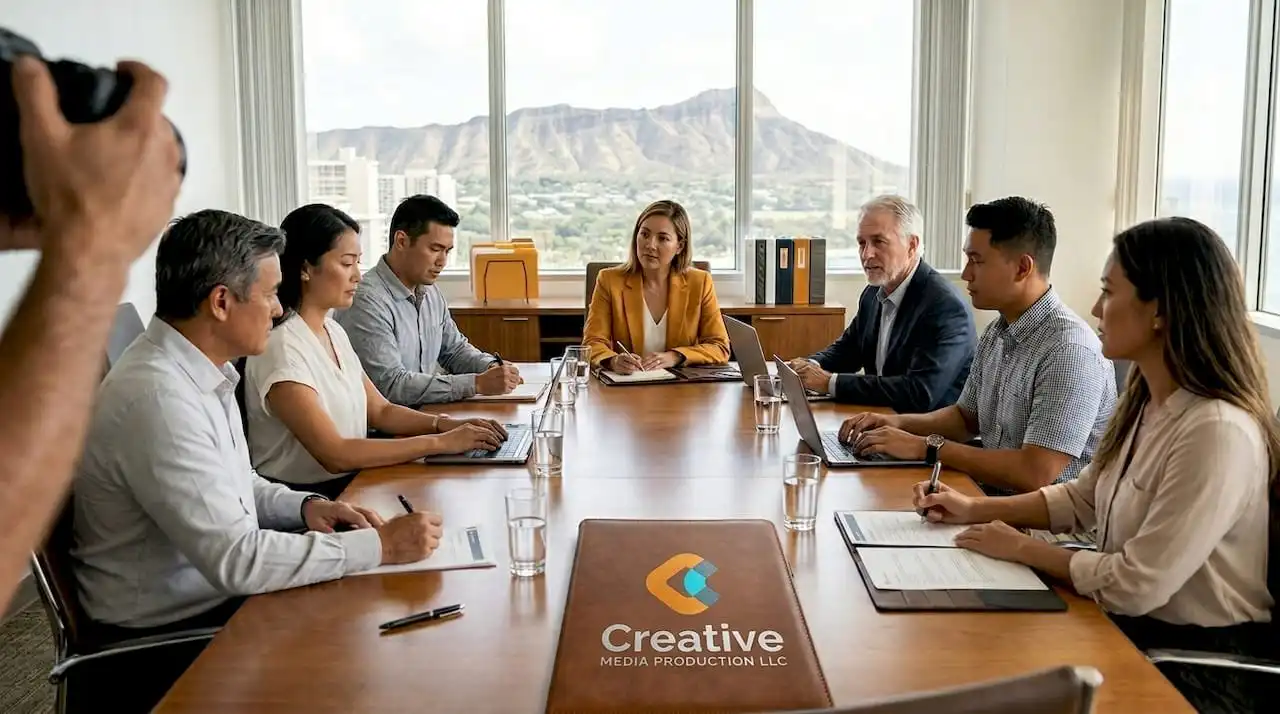
Many recap videos underperform because nobody aligned on purpose before the event started. The marketing team wants promotional footage, leadership wants keynote highlights, and HR wants employee culture clips. All of those are valid, but if the production team is not briefed early, key shots can easily be missed.
Before filming begins, decide who the audience is and where the video will live. A video for LinkedIn will usually be shorter and more direct than a version intended for a company website or post-event presentation. A sizzle reel for sales outreach may prioritize attendance, branding, and credibility, while an internal recap might include more candid team moments.
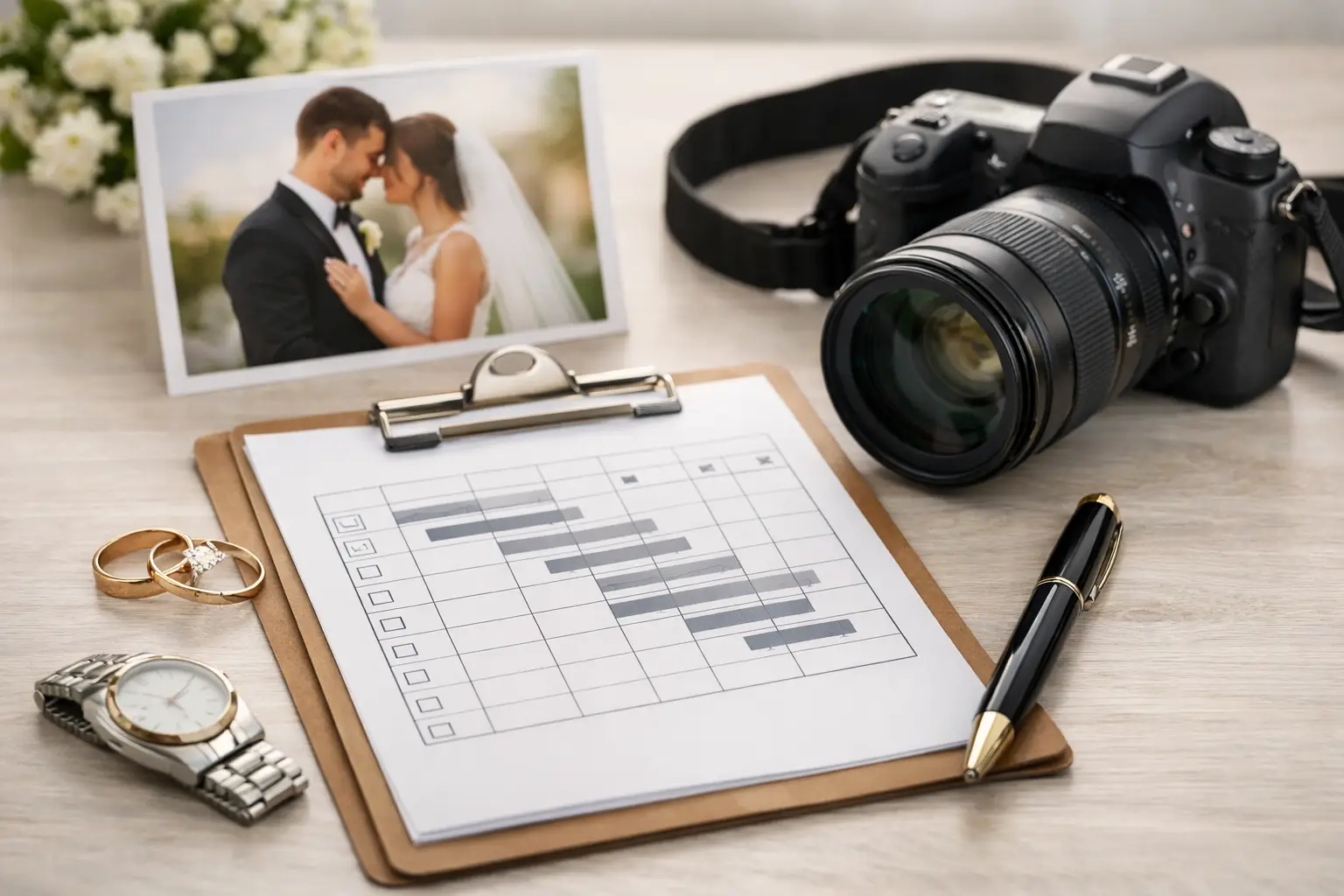
This planning stage should also cover practical details. Identify your must-have moments, event schedule, speaker timing, VIP attendees, room reveals, sponsor obligations, and any branding elements that need to appear on screen. If interviews are part of the plan, choose who will speak and when they can be pulled aside without disrupting the event.
This is also where professional coordination matters. A reliable video team will help map coverage so the final piece feels story-driven instead of pieced together after the fact.
The footage you need on event day
If you want the final edit to look premium, the event-day shot list has to go beyond obvious stage coverage. Wide establishing shots help show scale. Medium shots of conversations and check-ins add realism. Tight detail shots of signage, name badges, branded materials, food, lighting, and product displays make the video feel intentional and polished.
Speaker footage is essential, but audience footage is what gives it life. People listening, laughing, networking, applauding, and interacting with presenters all help communicate event success. If every shot is on stage, the recap can feel flat even if the event itself was excellent.
Movement matters too. Smooth camera motion can make a corporate event feel elevated and cinematic, but it should still match the tone of the brand. A formal conference usually benefits from controlled, clean camera work. A launch party or company celebration may allow for more energetic pacing and dynamic shots.
Audio is another area where quality separates premium work from average work. Even if the final recap is mostly music-driven, clean clips of applause, keynote sound bites, or short testimonial lines can add weight and authenticity. A few seconds of strong natural audio often make the piece feel more grounded.
Story first, not just highlights
The phrase recap video sometimes leads teams to think they only need a montage. But the most effective edits have a beginning, middle, and end, even when they run under two minutes.
The opening should orient the viewer quickly. That might be exterior venue footage, branded signage, attendees arriving, or a keynote line that sets the tone. The middle should build momentum through a mix of presentations, interactions, product moments, and crowd energy. The ending should leave a clear impression – whether that is credibility, celebration, innovation, or anticipation for the next event.
This is where pacing becomes strategic. Fast edits can create excitement, but if everything moves too quickly, important moments lose impact. Slower pacing can feel polished and premium, but if it drags, viewers stop watching. It depends on the event type, the audience, and where the video will be used.
In many cases, the smartest approach is to create one core recap and then cut shorter variations from it. That gives your team a polished hero piece plus faster assets for social posting, email campaigns, or future promotions.
Branding without overdoing it
A corporate recap video should feel on-brand, but not overloaded. Logos, signage, presentation screens, product visuals, and environmental branding often do that job naturally. If every few seconds includes another graphic treatment, the video can start to feel forced.
A more effective approach is subtle consistency. Use the company colors in titles if titles are needed. Keep fonts aligned with brand guidelines. Choose music that supports the company image rather than chasing a trend that will feel dated in a few months. If your brand is polished and premium, the edit should reflect that through restraint and precision.
That same principle applies to messaging. A short, well-placed line from a speaker or attendee can often say more than several text slides. If the event had a central theme, make sure the recap reinforces it. Otherwise, the video may look good but still feel disconnected from the brand’s goals.
Why professional production changes the result
Corporate events move fast. Lighting changes. Schedules shift. Key people become unavailable with no warning. That is why professionalism on site matters as much as editing skill.
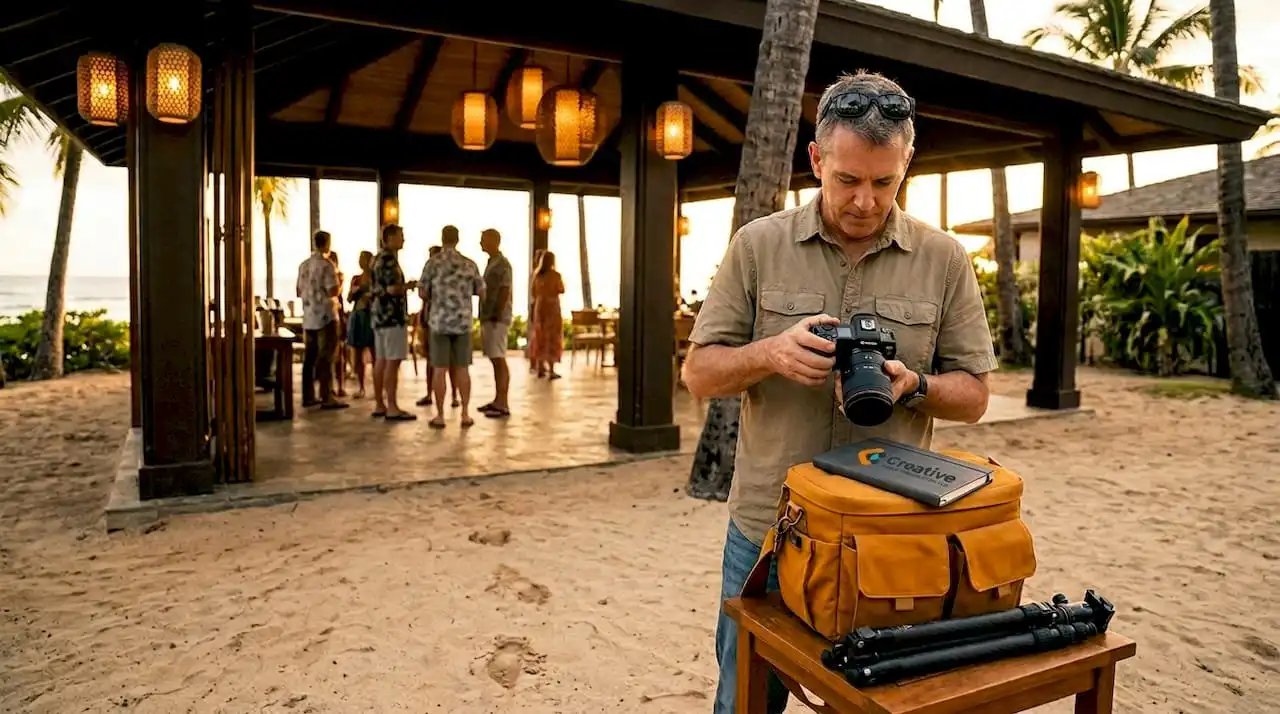
An experienced event videography team knows how to work around timeline changes, crowded rooms, mixed lighting, and busy executives without creating friction. They capture the planned moments, but they also anticipate the in-between interactions that often become the most valuable footage later.
Fast turnaround matters too. Recap content is most useful while the event is still fresh. If delivery takes too long, the marketing window narrows and internal excitement fades. Businesses usually get the best return when the video team can deliver polished footage quickly without sacrificing quality.
For Oahu businesses hosting conferences, company celebrations, launches, or networking events, that balance of creativity and operational reliability is often what makes the difference. A team like Creative Media Production LLC is built around both – premium visuals, dependable coverage, and a planning process that helps reduce event-day stress.
Common mistakes that weaken recap videos
The most common mistake is filming without a clear brief. The second is relying too heavily on stage footage. Another issue is trying to make one video serve every audience equally. A recap meant for public marketing should not look exactly like a video intended for an internal leadership update.
Some teams also underestimate coverage time. If videography starts only at the keynote and ends before networking finishes, the final piece may miss the atmosphere that gives the event personality. Others skip interviews because they seem optional, then later wish they had strong on-camera comments to anchor the story.
Music choice can also work against the footage. A track that feels too generic, too aggressive, or too trendy can make a polished event look less credible. Good editing is not just about speed. It is about fit.
How to measure whether the video worked
Success is not always just views. A recap video can perform well because it helped the sales team pitch sponsorships, gave leadership a polished post-event asset, supported recruiting, or drove interest for the next event.
That is why the best measure comes back to the original goal. If the purpose was promotion, watch for engagement, shares, and future registrations. If it was brand positioning, assess whether the final piece communicates professionalism and quality. If it was internal culture, the right result may be stronger employee response and wider internal use.
A strong recap video should keep working after the event is over. It should save your team time, extend the value of the production budget, and give future audiences a reason to trust the experience your company creates.
When you create corporate event recap video content the right way, you are not just preserving memories from the day. You are building a polished asset that reflects your brand while the momentum is still real – and that is often what makes people pay attention long after the room has cleared.