A lot of couples ask this after they book a venue and timeline starts getting real – when should wedding video start? The short answer is usually earlier than you think. If you want a film that feels complete, natural, and cinematic, video should often begin during getting ready, not right before the ceremony.
That said, the right start time depends on the kind of story you want captured. Some couples care most about vows and major events. Others want the full emotional arc of the day – the nerves, the laughter in the bridal suite, the quiet moments before guests arrive, and the reactions that happen when no one is trying to pose. The best coverage start time is the one that matches your priorities, not a generic template.
When should wedding video start for most weddings?
For most weddings, videography should start 2.5 to 4 hours before the ceremony. That window gives enough room to capture meaningful prep footage without rushing and to transition smoothly into first looks, detail shots, guest arrivals, and the ceremony itself.
If hair and makeup are still in full swing when the video team arrives, that is usually not a problem. In fact, some of the most natural footage comes from that part of the day. It shows movement, anticipation, and the atmosphere in the room. A polished wedding film is not built only from the big milestones. It is built from context.
Starting too late is one of the most common regrets couples have. If coverage begins 30 minutes before the ceremony, the final film may still look beautiful, but it can feel compressed. You lose the build-up. You also lose flexibility if the schedule shifts, which it often does.
The real answer depends on what you want captured
There is no single start time that fits every wedding. A beachfront ceremony on Oahu with minimal prep needs a different approach than a large resort wedding with separate locations, multiple outfits, and a formal first look.
If your top priority is simply documenting the ceremony and reception events, a later start time can work. If your priority is a story-driven film with emotional depth, then earlier coverage is worth it. That is where video and photography planning matter. A professional team will help you decide what is essential, what is optional, and where you can save time without losing the heart of the day.
Here is how that usually breaks down.
Start with getting ready if you want a complete story
Getting ready coverage is often the best starting point because it captures the emotional opening of the day. This is where letters are read, family members step in to help, friends react to the dress, and small details finally come together.
It is also where your videographer can film the dress, shoes, rings, invitation suite, lei, jewelry, and other personal details while the room is still relatively calm. These shots do more than fill space. They help create a polished edit and connect the visuals of your day in a way that feels intentional.
For couples who want a cinematic film, this is usually the ideal place to begin.
Start before the first look if you are skipping prep footage
If you do not care about hair, makeup, or suite coverage, the next best start time is before the first look. This still gives space to capture anticipation, reactions, and portraits before the ceremony.
This option can be a strong middle ground. You get meaningful footage before the formal events begin, but you do not need as many hours of coverage. For couples balancing budget and priorities, this is often a smart choice.
Start before the ceremony only if your goals are very focused
If you are keeping coverage lean, video can start 30 to 60 minutes before the ceremony. But this works best when expectations are clear. In that case, the film will focus more on the ceremony, cocktail hour, key reception moments, and less on the full narrative of the day.
There is nothing wrong with that approach. The trade-off is simply that the final film will feel more event-based than story-driven.
What happens if wedding video starts too late?
When couples ask when should wedding video start, they are often trying to avoid paying for hours they may not need. That makes sense. But starting too late can cost more in missed moments than it saves in coverage.
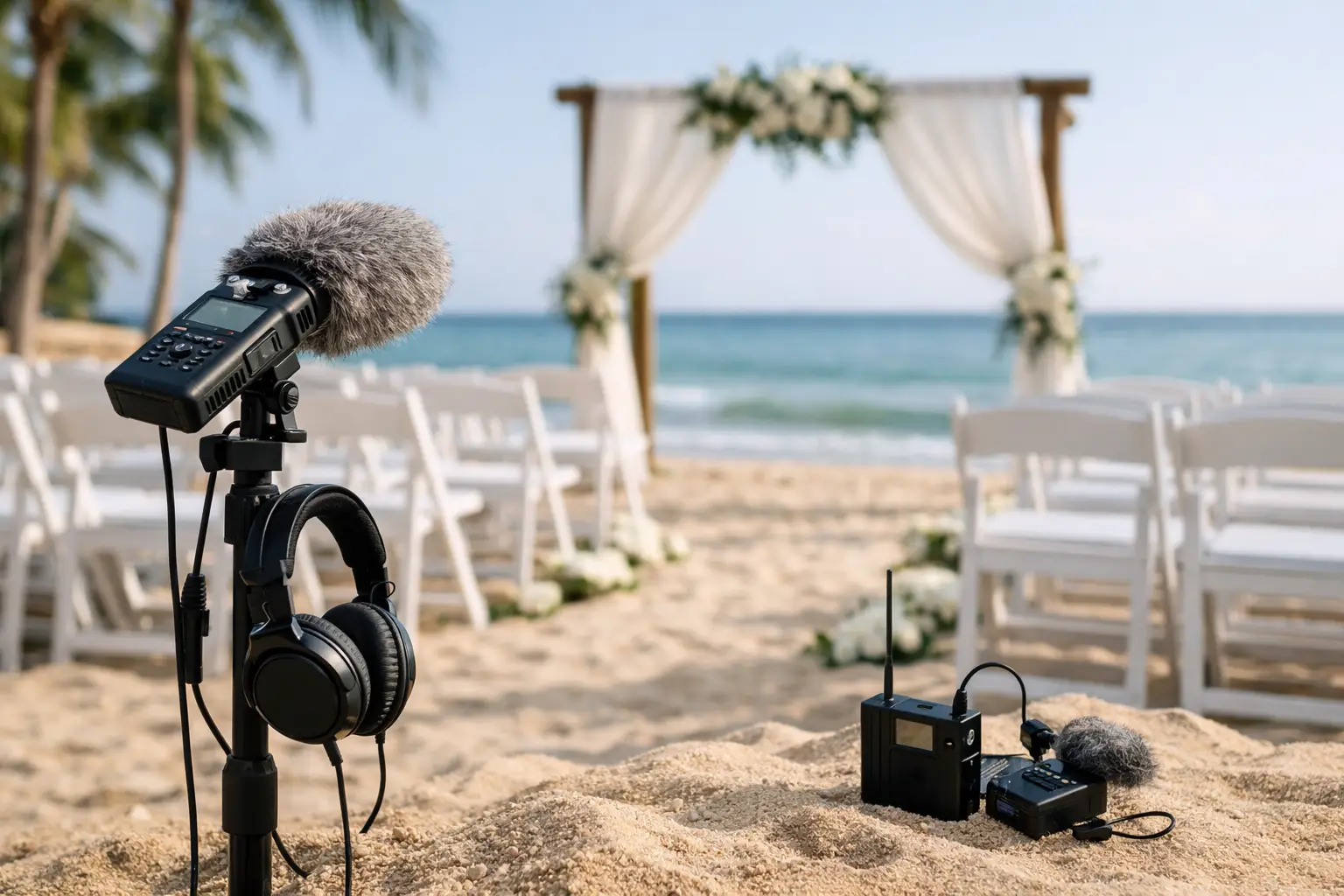
The first issue is stress. If your videographer arrives right as the day becomes hectic, there is less room to create clean audio setups, film details, coordinate with your photographer, or adapt if transportation runs behind. A rushed start can affect the quality of both the footage and the experience.
The second issue is storytelling. Wedding films feel more powerful when they show progression. Seeing you already at the ceremony site in full event mode is very different from seeing how the day began. Even a short highlight film benefits from those opening scenes.
The third issue is missing moments you did not know would matter. Parents helping with final touches. Your wedding party joking around. A private breath before walking down the aisle. These are not always on the timeline, but they are often the moments couples replay the most.
How much prep time should videographers have?
A reliable rule is to have your video team arrive when key visual moments are about to begin, not after they are underway. If you want getting ready captured, the videographer should usually arrive when hair and makeup are close to wrapping for one partner, or when detail styling can begin.
That often means around 60 to 90 minutes before you get dressed. It gives enough time for detail shots, candid footage, and staged elements that still feel natural, like putting on jewelry or buttoning a jacket once the room is ready.
For larger weddings or separate prep locations, more time may be needed. Travel between locations, parking, and setup all affect timing. On Oahu, this matters even more if your day includes multiple stops or traffic-sensitive areas. Building in margin is part of premium service, and it helps the day feel calm instead of compressed.
When should wedding video start if you have a first look?
If you are doing a first look, video should start well before it. Ideally, coverage begins at least 90 minutes to 2.5 hours before the first look, depending on whether you want prep footage.
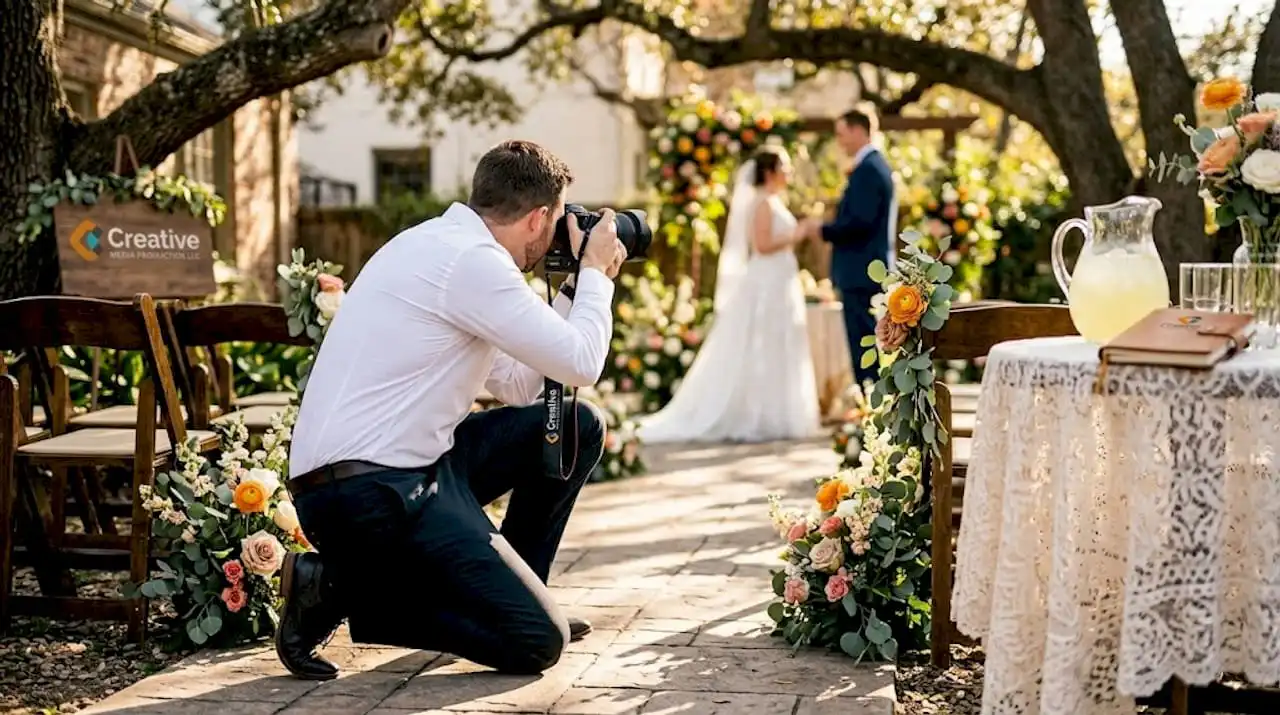
The first look is one of the most emotional parts of the day, and it should not feel rushed. Your team needs time to set up, position discreetly, and coordinate with the photographer so both can work smoothly without getting in each other’s frame.
If the videographer walks in minutes before the first look, you may still get the moment, but not with the same level of polish, audio quality, or visual variety.
Reception timing matters too
Start time is only half the equation. Couples sometimes book an early start but underestimate how late coverage should go. If you care about toasts, dances, cake cutting, or an energetic dance floor, your end time needs just as much planning as your beginning.
A wedding film feels balanced when the opening and closing both have intention. If your coverage starts early and ends before the reception settles in, the story can feel unfinished. Good planning protects both ends of the day.
The best way to choose your start time
The smartest question is not only when should wedding video start. It is what do you want your film to feel like when you watch it years from now?
If you want a clean record of the ceremony and major reception events, a shorter coverage window may be enough. If you want a film that captures personality, atmosphere, and emotion from the inside out, start earlier.
A trusted, professional team will not push hours you do not need. They will help you build coverage around your actual timeline, your locations, and the moments that matter most to you. That is how you get a final film that feels intentional instead of pieced together.
At Creative Media Production LLC, that planning process is part of the service. The goal is not just to show up and film. It is to create dependable, story-driven coverage that reflects the day with polish, care, and fast turnaround.
If you are deciding where to begin, err on the side of giving your video team a little more room. A wedding day moves quickly. The right start time gives your memories space to breathe.