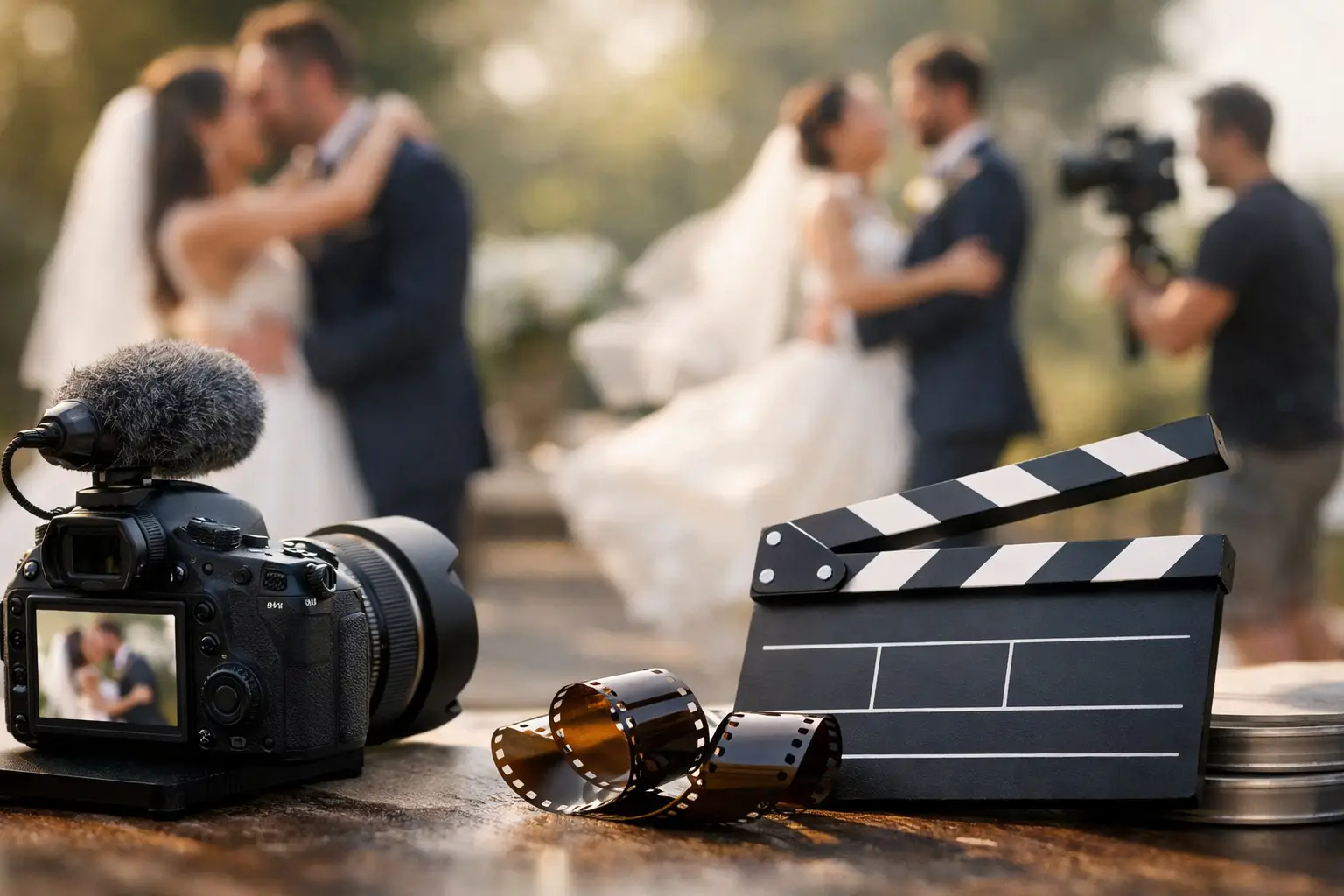
A beach ceremony at sunrise sounds simple until someone asks about the Oahu destination wedding photo permit. That question usually comes up late in the planning process, right when couples are finalizing locations, timelines, and vendor bookings. The good news is that permits are manageable when you plan early. The harder truth is that rules can change by location, and the right answer depends on where you want to shoot, how many people are involved, and whether your photography is considered commercial use.
For destination couples, permit planning matters because it affects more than paperwork. It can shape your ceremony location, your portrait timeline, your guest count, and even whether your photographer can legally work in that space. If you want a polished, stress-free wedding day, this is one of those details worth handling before flights are booked and expectations are set.
When an Oahu destination wedding photo permit is usually required
In many cases, wedding photography on Oahu falls under commercial activity, especially when a professional photographer or videographer is being paid to capture the event. That matters because beaches, parks, botanical gardens, and other public spaces often have specific rules for commercial filming and photography.
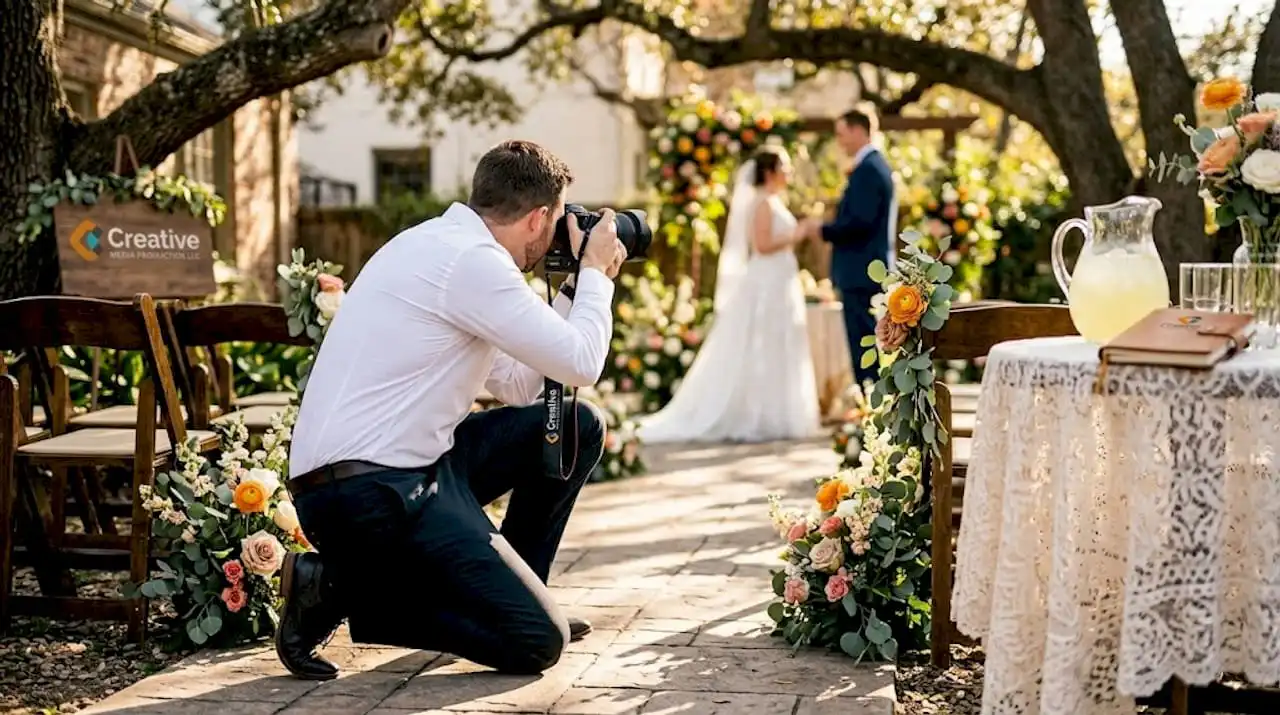
A permit is more likely to be required if you are using a public location, bringing professional gear, setting up decor, reserving space, or filming for a business purpose. Even a small elopement can trigger permit requirements if it includes hired vendors and posed photography. Couples are often surprised by this because the event feels personal, but the state or property manager may still classify the photo session as commercial.
That said, it depends on the location. Some venues handle permits internally. Some private properties include site access in their rental agreement. Some public spaces are stricter about ceremonies than portraits, while others regulate both. The key is not to assume that a scenic beach automatically means open access for a wedding shoot.
Public beach, state park, or private venue – the rules are different
This is where most confusion starts. Oahu has a mix of public shoreline, managed parks, military areas, resort properties, and private estates. Each type of location may have its own approval process.
Public beaches
Public beaches can look casual, but they are not always permit-free. If you are planning a ceremony setup, bringing chairs, arches, floral installations, or a larger vendor team, approvals may be required. Photography and videography may also need separate review depending on the agency that oversees the space.
The practical challenge is that public beaches are shared spaces. Even with a permit, you may not get full exclusivity. That means couples need to balance the beauty of an oceanfront location with the reality of beachgoers, weather shifts, and access limitations.
Parks and scenic lookouts
State and city-managed parks often have more structured permit processes. These spaces may have application deadlines, insurance requirements, guest limits, parking rules, and time restrictions. Some are excellent for portraits because they offer dramatic backdrops and easy logistics. Others are beautiful in photos but harder to manage with guests, vendors, or changing light.
Private venues and resorts
Private venues are often the most predictable option because they tend to have clear event policies. In some cases, your venue fee already covers photography access. In others, outside vendors must register, provide insurance, or follow site-specific restrictions. A private venue can reduce uncertainty, but it does not remove the need to confirm what is and is not included.
What couples should confirm before booking a location
Before you commit to a ceremony site or portrait destination, ask direct questions. Do not stop at “Are weddings allowed here?” Ask whether professional wedding photography and videography are allowed, whether a permit is required, who applies for it, and how long approval usually takes.
You should also confirm whether the permit covers only the ceremony, only portraits, or both. Some couples plan to marry at one location and take photos at another. That can create a second layer of permissions. A legal ceremony site and a legal portrait site are not always the same thing.
Timing matters too. Some permits are processed quickly, while others take longer, especially during busy travel seasons. If your wedding date is close, permit timing can narrow your options fast.
Common issues that delay approval
Most permit problems are preventable. The issue is usually not that couples are ignoring the rules. It is that they are working with incomplete information.
One common problem is applying too late. Another is misunderstanding the exact location boundary. A beach name used in conversation may cover multiple access points or management zones, each with different requirements. Couples also run into trouble when they underestimate guest count, forget about vendor presence, or assume a small setup does not count as an event.
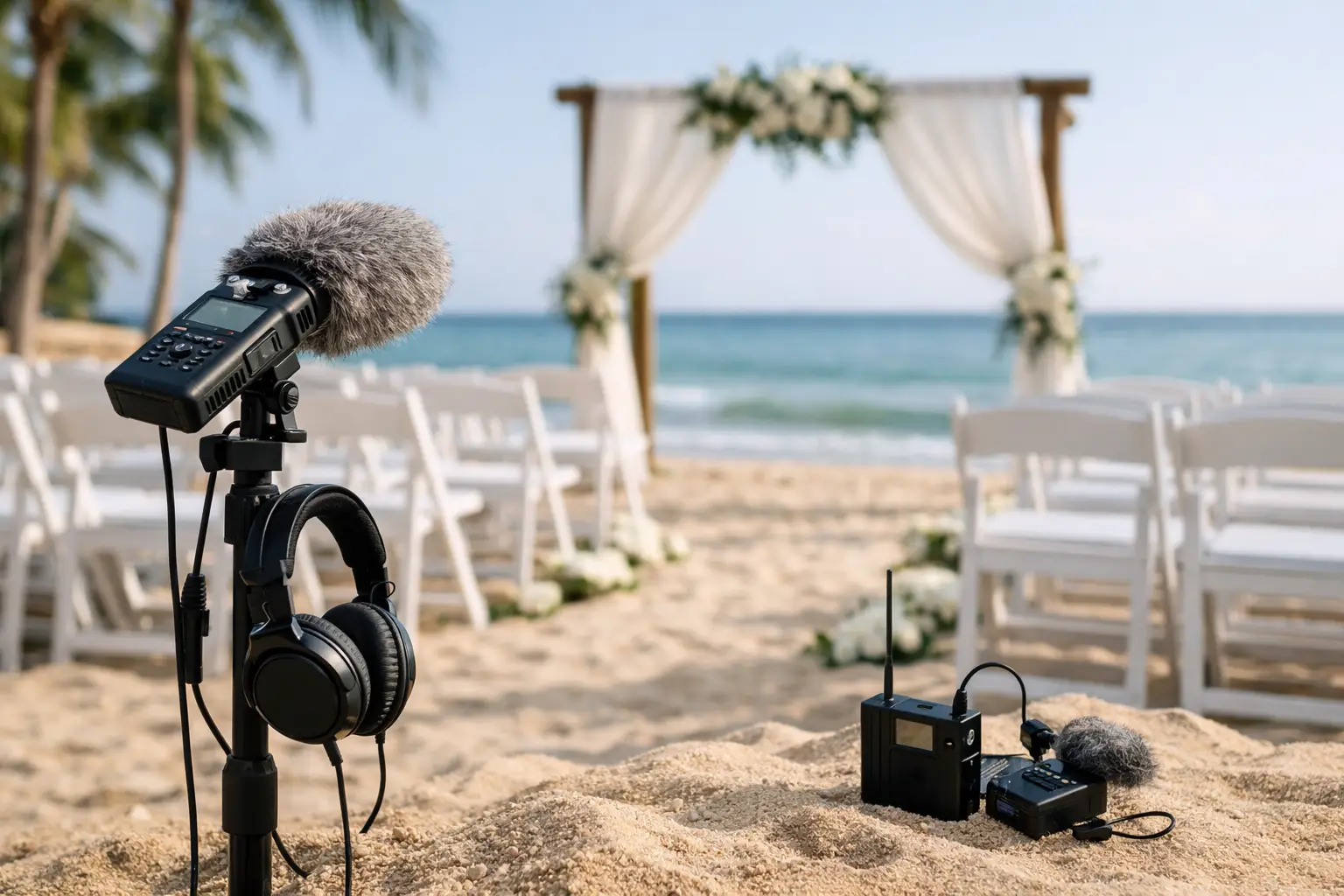
Equipment can matter as well. A handheld camera setup may be treated differently than a larger production footprint with tripods, lighting, audio gear, or drone plans. If your coverage includes both photography and videography, say so upfront. It is better to disclose the full scope than to revise details at the last minute.
How permits affect your wedding photo timeline
An Oahu destination wedding photo permit is not just an administrative box to check. It can directly affect the flow of your day.
If your approved window is limited, your photographer needs to build around it with precision. That may influence first look timing, family portraits, sunset coverage, and transportation between locations. If your permit only allows certain areas or hours, your creative plan should match those limits from the start.
This is where experienced planning makes a real difference. A strong wedding photo team does more than show up with cameras. They help you think through travel time, crowd patterns, changing weather, and the kind of light each location gets at different hours. Oahu is beautiful year-round, but the island still rewards careful timing.
Why local coordination matters
Destination weddings often involve couples planning from the mainland, which makes local insight especially valuable. What looks easy on a map may be complicated in practice. Some beaches have difficult parking. Some scenic spots become crowded quickly. Some locations are ideal for sunrise portraits but less practical for a ceremony with older guests or formal attire.
Working with professionals who understand Oahu logistics can save time and protect the experience you are investing in. That includes knowing when a location is worth the permit process and when a different site may give you stronger photos with fewer complications.
At Creative Media Production LLC, that planning mindset is part of the service. Clean, story-driven coverage works best when the logistics are handled early, the schedule is realistic, and the location fits both the visual goal and the permit requirements.
If you are deciding between beach freedom and venue certainty
There is no single right choice. A public beach can feel iconic, natural, and deeply Hawaiian. It may also involve more variables, less privacy, and tighter compliance. A private venue often costs more, but it usually offers better control, easier coordination, and a smoother guest experience.
For elopements or very small ceremonies, a permitted public location may be the right fit. For larger celebrations, families with children, or couples who want a more relaxed production schedule, a venue can be the safer investment. The best decision usually comes down to priorities. If your top priority is dramatic scenery at a lower site cost, public access may be worth the extra planning. If your top priority is reliability, comfort, and efficient coverage, a private venue often wins.
A smart way to approach permit planning
Start with your date, guest count, and ideal setting. Then confirm location rules before you lock in your visual plan. Once you know what the site allows, your photographer and planner can shape a timeline that protects the moments you care about most.
This is especially important if you want cinematic video, family formals, or multiple portrait backdrops. The earlier your team understands the permit conditions, the easier it is to deliver premium results without rushed decisions or day-of surprises.
Oahu offers extraordinary wedding backdrops, but the best images rarely happen by accident. They come from clear planning, trusted local guidance, and a photography team that treats both the artistry and the logistics with equal care. If your wedding day deserves to feel effortless, start with the permit questions early so the camera can stay focused on what matters most.