The product launch has a short shelf life in real time—and a long shelf life in marketing. The difference between “we announced it” and “people remember it” often comes down to what you captured, how you captured it, and how quickly you can turn that footage into usable assets.
If you are planning a launch on Oahu—whether it is a hotel ballroom reveal in Waikiki, a retail pop-up in Honolulu, or an outdoor activation on the North Shore—you want video that feels premium, on-brand, and ready to publish. That is what a strong product launch event videographer is there to do: protect the story, the pacing, the details, and the credibility of the moment.
What a product launch event videographer actually does
A launch is not filmed like a wedding, and it is not filmed like a conference. It is closer to a live commercial that happens once, in a real room, with real variables.
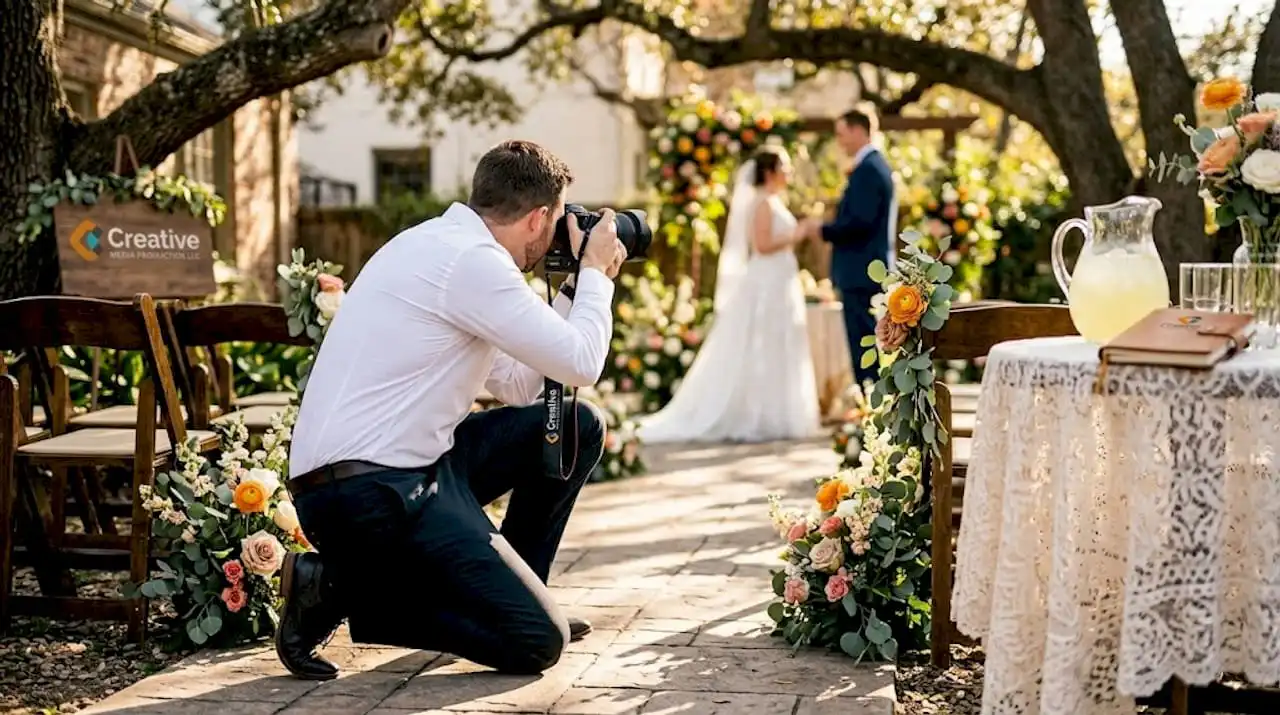
A professional product launch event videographer is responsible for more than showing up with a camera. They build a plan around your run-of-show, the venue lighting, the brand look, and the deliverables you need afterward. They coordinate positioning so your keynote is clean, your audience reactions feel authentic, your product hero shots look intentional, and your brand signage is not cut off or blocked.
Just as importantly, they think like a marketer. That means capturing footage that can be edited into multiple formats: a highlight film that sells the energy, short social clips that carry the message, and internal recap assets that help stakeholders justify the spend.
The shots that make launch video feel “expensive”
Most launch videos fail for one simple reason: they are missing the details that make the product and the brand feel real. The room might look nice, but the product does not feel desirable.
To avoid that, the shot list should balance three things.
First, you need strong product coverage. That means clean hero angles, hands interacting with the product, and close-ups of materials, screens, labels, textures, and anything your audience will evaluate in two seconds on a phone.
Second, you need story coverage. Your speakers, your brand leaders, and any customer testimonials should be filmed with steady framing, good audio, and intentional composition. If the sound is weak, the footage becomes “B-roll only,” and that limits what you can publish.
Third, you need proof of traction. Audience reactions, networking moments, media interviews, partner logos, a line at the demo station, people photographing the product—these are the shots that quietly communicate, “This launch mattered.”
It depends on your goals, but if your team is planning paid ads or a post-launch campaign, prioritize product detail and message clarity over pure “party vibes.” If the goal is PR and brand lift, those reaction and environment shots carry more weight.
Audio is the make-or-break detail
Launch events are loud by nature. You have music, crowd noise, venue HVAC, mic handling, and speakers who pace off-axis. A good video with bad audio is hard to use.
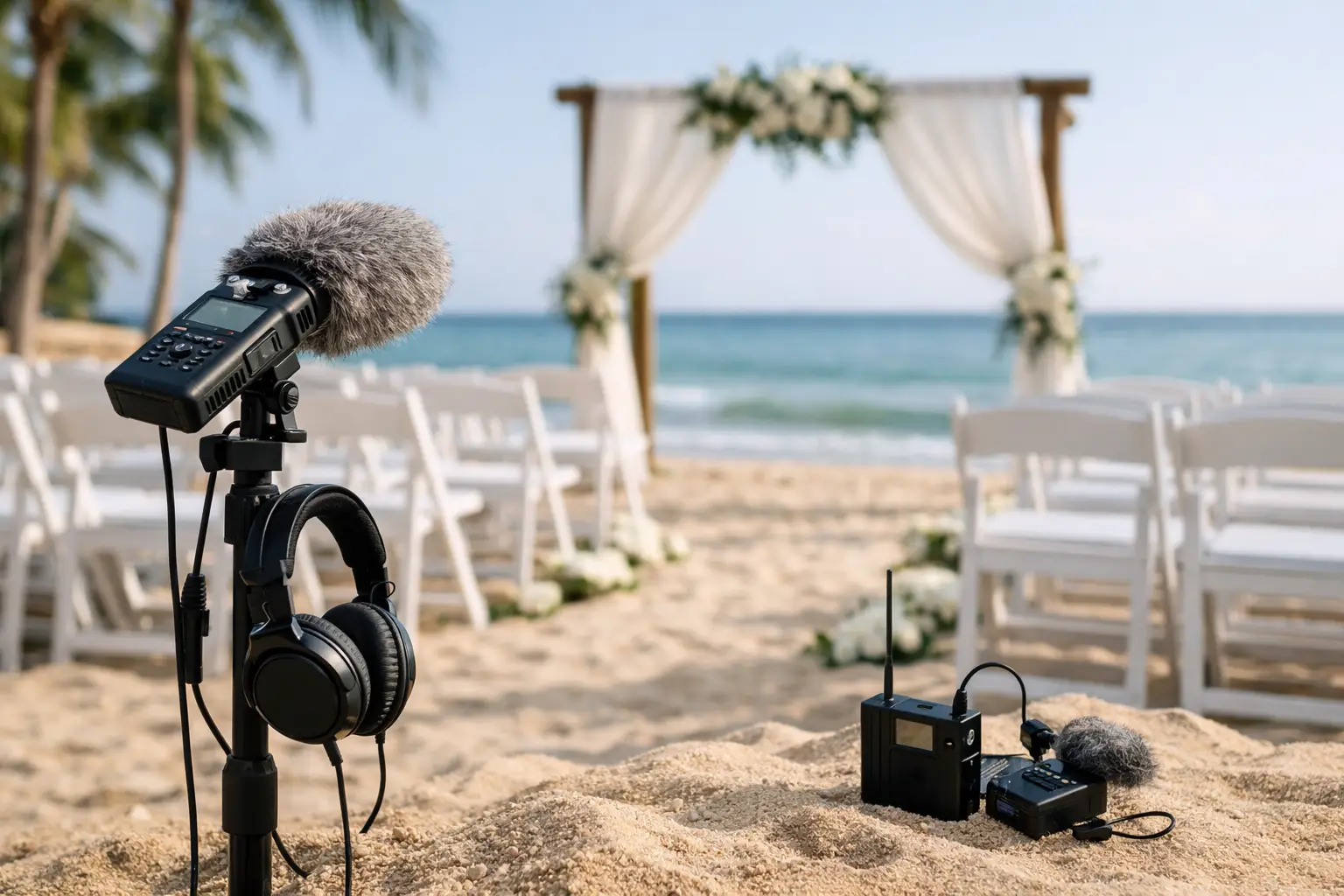
A videographer who is experienced in corporate events will come prepared to capture clean sound from the source. That can include tapping into the venue’s soundboard, using wireless lavaliers for key speakers, and recording backup audio so you are not relying on a single feed.
There is a trade-off here. Building a reliable audio chain takes time, and it can add cost. But if your launch includes key messaging—pricing, availability, product differentiation, partner announcements—audio is not optional. It is the difference between a polished recap and a montage.
Lighting and venue realities on Oahu
Oahu venues are beautiful, but they can be challenging. Ballrooms often have mixed lighting that shifts color on camera. Outdoor locations can look stunning while also creating harsh shadows, wind noise, and fast-changing exposure.
A seasoned product launch event videographer plans for those realities instead of fighting them in post. They may add controlled lighting for interviews or product demos, choose camera angles that avoid ugly ceiling spots, and schedule key capture moments around the best light when the environment is part of the brand story.
If your launch is in a space with big windows and a sunset view, that is a brand asset. But it needs to be handled intentionally so faces are not silhouetted and product details do not disappear.
How to plan the shoot so the event-day feels easy
The best launch video usually comes from the least chaotic production. That does not mean overproducing the event. It means taking 30-60 minutes of planning seriously.
Start with deliverables. Do you need a 60-90 second highlight, a 15-second teaser, a 3-5 minute recap, vertical social cuts, or a clean recording of the keynote? Your deliverables determine camera count, audio approach, and where the videographer needs to be during key moments.
Then align on a run-of-show. Your videographer should know when doors open, when the product is revealed, when executives speak, when demos happen, and when media moments are scheduled. If there is a surprise moment, like a partner announcement or a live on-stage demo, flag it early so it can be covered properly.
Finally, confirm brand priorities. If your brand is minimal and modern, you may want cleaner framing and fewer “fast-cut” edits. If your brand is high-energy and youth-focused, you might want more movement, faster pacing, and more audience reaction.
This is where consultation matters. The goal is to reduce friction on the day of the event so your team can focus on hosting, not managing cameras.
What to ask before you book
When you are hiring, you are not just comparing reels. You are comparing processes.
Ask about their audio setup and backup plans, turnaround time, fast social clips, and how they coordinate with planners, venues, and load-in logistics.
You should also ask how they plan for the “one chance” moments: the reveal, the first reaction, the first product use, and the key quote. A launch does not give you a second take, so preparation is part of the service.
If you are comparing proposals, pay attention to what is included. Some coverage is priced as “hours on-site” without clarifying deliverables, editing scope, or revision rounds. Others are deliverable-driven and include a clearer production plan. Neither is automatically better, but you should choose the model that matches how your team works.
Editing that serves marketing, not just memories
A strong launch edit is not only a highlight. It is structured messaging.
You want a clean open that establishes the brand and the setting, a middle that shows the product in context, and a close that leaves viewers with a clear takeaway. That takeaway can be excitement, credibility, innovation, exclusivity, or community, depending on the product.
The best edits also respect pacing. If the video is too slow, people scroll. If it is too fast, the product details do not land. A professional editor balances momentum with clarity, and they will format deliverables for where they will actually live: websites, LinkedIn, Instagram Reels, internal decks, and email campaigns.
Fast turnaround is part of that value. A launch is most shareable while it is still fresh. If your recap takes a month, you are fighting the news cycle and losing organic traction.
When a photo booth helps a product launch
A photo booth is not only for weddings and birthdays. For launches, it can become a brand experience that produces shareable content from guests in real time.
It works best when it is integrated, not tacked on. Think branded backdrops, product-themed props that match your look, and instant digital sharing that helps guests post while they are still at the event. The trade-off is space and flow—you need to place it where it will not disrupt demos or traffic.
If your goal is social reach and guest engagement, a booth can add a second content stream that complements the cinematic coverage.
Getting the most value from your investment
To maximize ROI, treat video like a campaign asset, not an event expense.
If you can, schedule a short pre-event capture. A few minutes of product beauty shots in controlled light, or a quick interview with a founder or product lead, can give your editor clean material to weave into the event footage. It also reduces pressure to capture everything during the busiest moments.
Also consider capturing customer or partner soundbites on-site. They do not need to be long. A few authentic lines about why the product matters can add credibility that feels hard to manufacture later.
For Oahu-based brands and visiting teams launching here, production should feel premium and dependable. That includes being punctual, blending in professionally, and delivering files that are organized and ready for your marketing team.
If you want a team that covers launches with clean storytelling and fast turnaround, Creative Media Production LLC offers event videography built for both the live moment and the long tail of promotion.
A well-filmed launch does not just document what happened. It gives your product a second debut – the one your future customers will actually watch.