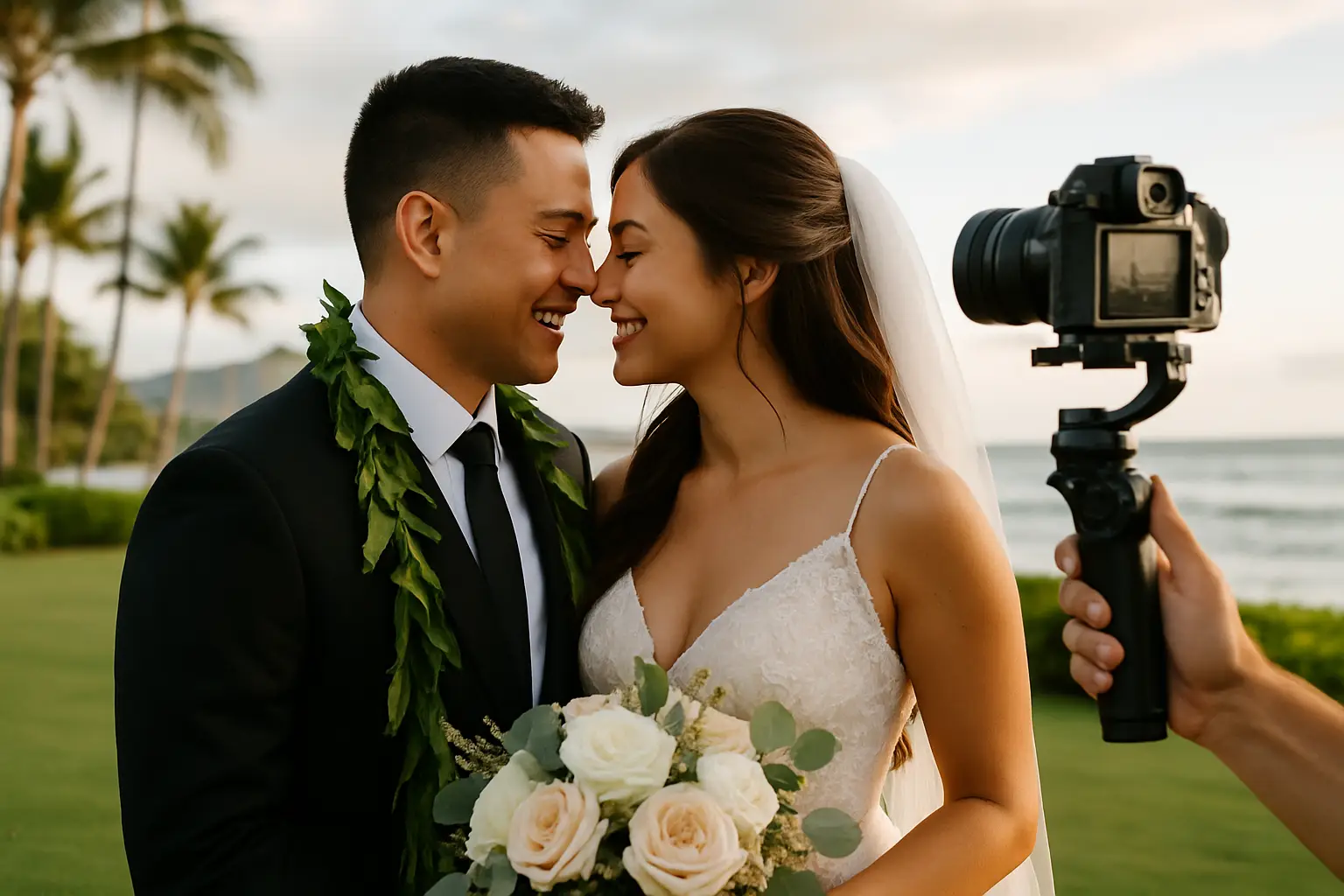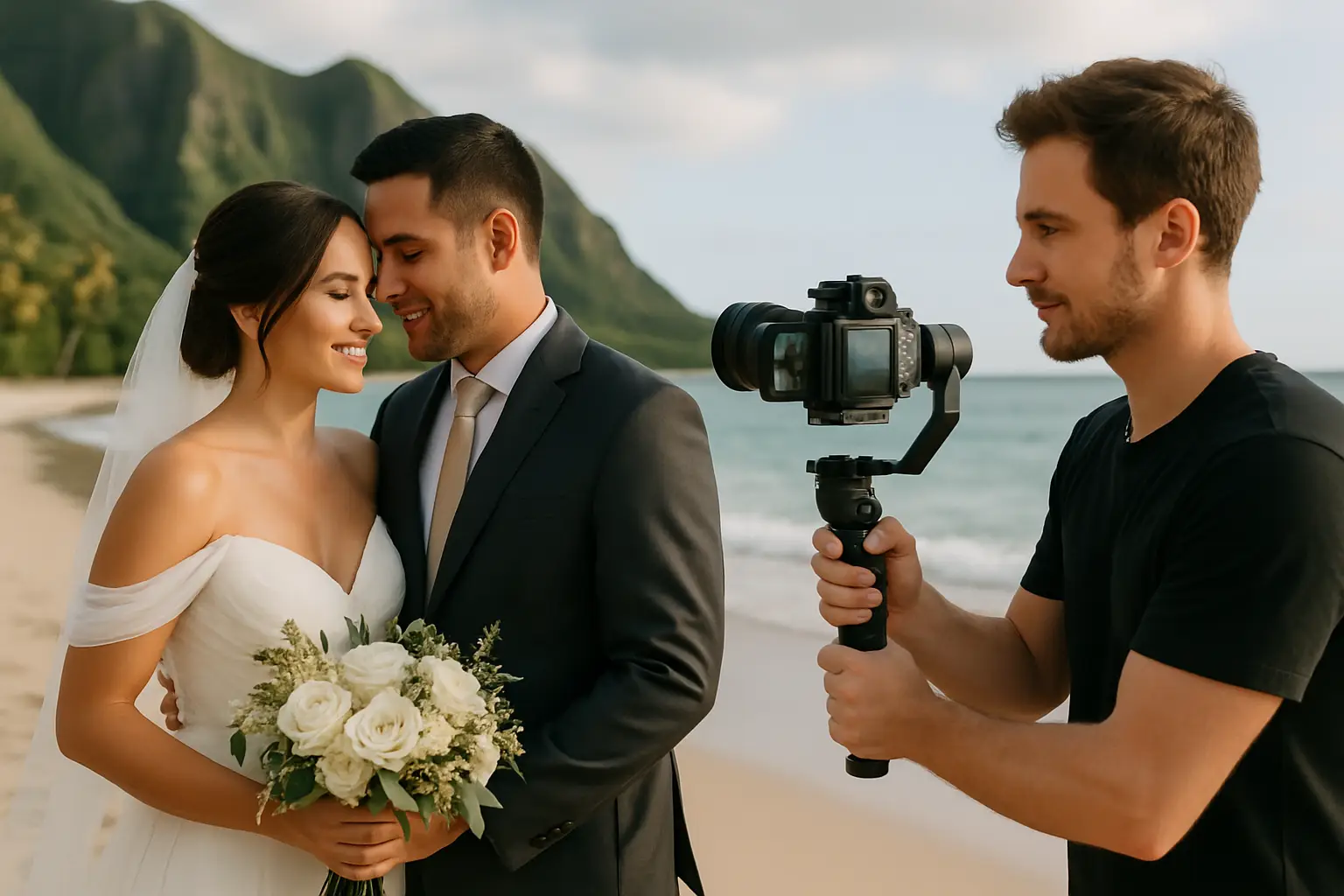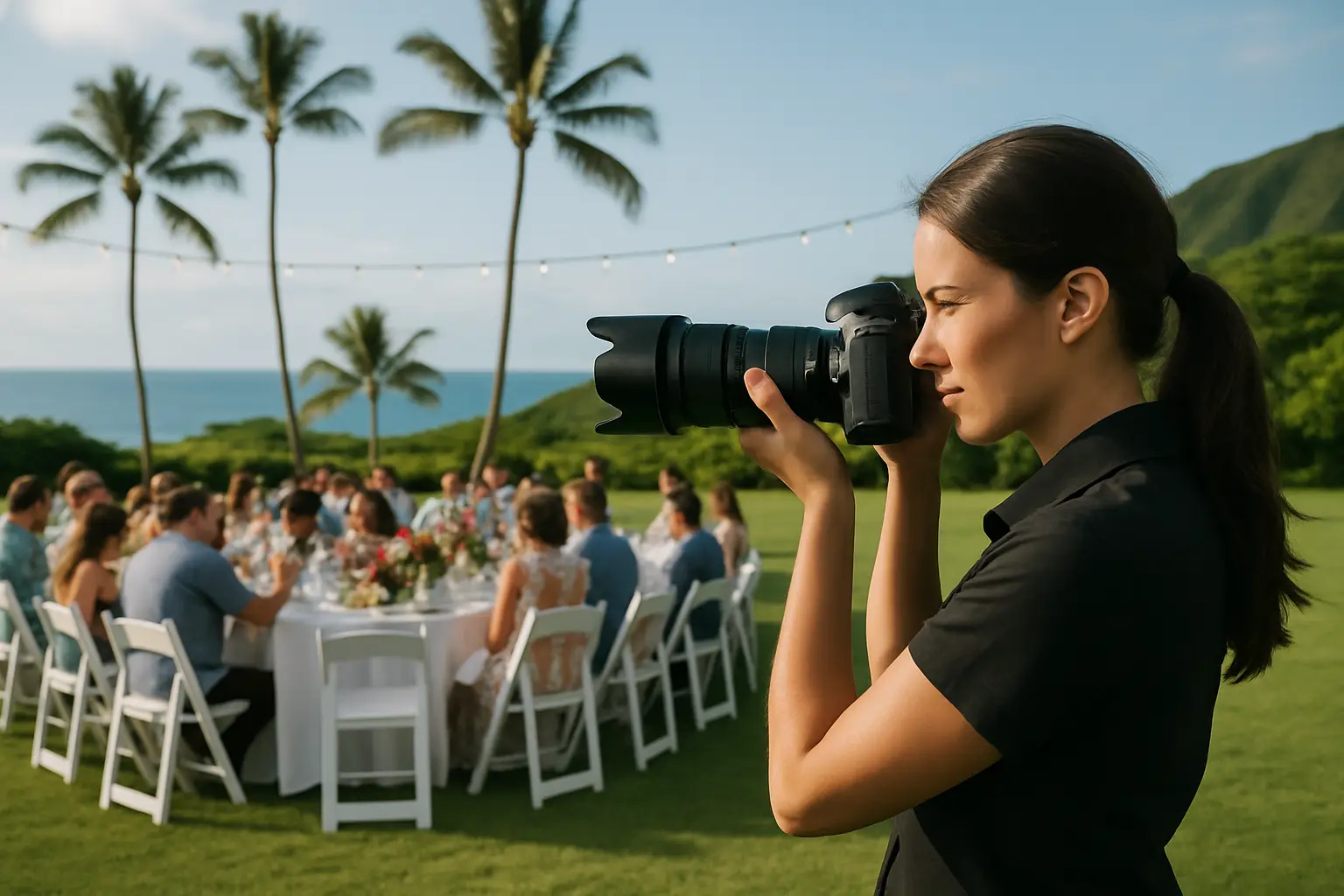
You can feel it the second the music starts – a light trade wind, a shaky breath before the first look, the way your friends get quiet when you step into the aisle. Oahu weddings move fast, and they move with personality. That is exactly why choosing a wedding ceremony and reception videographer on Oahu is less about “someone who can film” and more about a team that can anticipate moments, manage real logistics, and deliver a film that still feels like you.
Most couples planning on Oahu are balancing a lot at once: a dream location, a tight schedule, a venue with rules, and a guest list that includes people who traveled far to be there. The right videography approach keeps the day flowing while preserving the parts you will actually want to relive – the vows you meant, the reactions you missed, and the energy of the reception when everyone finally lets go.
What a wedding ceremony and reception videographer on Oahu really does
A strong wedding film is built on more than visuals. It is timing, audio, lighting, and people skills – especially on an island where events often shift around sun, surf, and venue access.
During the ceremony, a professional videographer is quietly solving problems you should never have to think about: capturing clean audio even with ocean wind, keeping camera angles respectful and unobtrusive, and staying ready for the moments that cannot be repeated. During the reception, that same team shifts gears into documenting movement, speeches, and dance floor energy without turning your celebration into a set.
A common misconception is that ceremony coverage and reception coverage are basically the same job in two locations. They are not. Ceremony filming is controlled, emotionally delicate, and audio-driven. Reception filming is dynamic, low-light, and fast. The best teams plan for both – and they plan differently.
Why Oahu weddings are uniquely hard to film (and how pros handle it)
Oahu is stunning, but it is not a studio. Beautiful scenery comes with real trade-offs.
Wind and waves are the audio challenge
If you are getting married near the ocean, wind will find your microphones. The difference between a professional result and a disappointing one usually comes down to audio strategy: placing lav mics correctly, using backup recorders, and setting levels for the actual conditions – not the “ideal.” If your vows matter to you, ask any potential wedding ceremony and reception videographer Oahu couples recommend how they record vows and how many redundancies they use.
Harsh sun and fast-changing light can ruin “pretty” footage
Beach ceremonies can swing from bright sun to cloud cover in minutes. Receptions can shift from golden hour to dark interiors quickly. Experienced videographers expose for skin tones, protect highlights in the dress, and stay consistent across scenes so your film does not look like five different weddings stitched together.
Venues and beaches have rules, and they matter
Some venues restrict where vendors can stand, whether tripods are allowed, and how long you can stay in certain areas. Public beaches may require permits depending on the size and setup. A reliable team asks these questions early, plans coverage around them, and coordinates with your planner or venue so nothing becomes a last-minute scramble.
Timeline drift is normal on island time
Hair and makeup runs late. Traffic hits H-1. The sunset does not wait. Great videography is proactive timeline planning – building buffers, planning travel time between locations, and identifying what can flex without losing the story.
What to look for in a wedding ceremony and reception videographer Oahu couples can trust
The portfolio matters, but so does the process behind it. A great-looking highlight reel can hide inconsistent audio, shaky delivery timelines, or a lack of planning.
Start with how they tell a story, not just how they use a drone
Cinematic does not mean slow motion everywhere. It means the film is structured with intention: setup, emotion, pacing, and payoffs. Ask to see full ceremony edits or longer films, not only highlights. You want to know how they handle real-time events, not just the most flattering 60 seconds.
Ask direct questions about ceremony audio
If you want to hear your vows clearly, you need a team that treats audio like the backbone of the film. A confident videographer can explain their mic plan for the officiant, the groom, and any readers, plus how they capture music and ambient sound without drowning out voices.
Confirm reception coverage expectations
Receptions are where many films either come alive or fall flat. Talk through what matters to you: entrances, first dance, parent dances, full speeches vs. highlights, cake cutting, bouquet toss, open dancing, and any cultural elements. The key is not filming everything endlessly. The key is filming the right parts well.
Turnaround time should be a real promise, not a vague estimate
Couples should not be left wondering when they will see anything. Look for clear delivery expectations, a defined editing style, and communication that feels organized. Fast turnaround does not mean rushed work. It means a professional workflow.
Professionalism shows up before the wedding day
Notice how quickly they respond, how clearly they explain packages, and whether they ask thoughtful questions about your timeline and priorities. A premium team is not just showing up with cameras. They are reducing friction.
Coverage choices that actually change your film
Not every add-on is necessary, but a few decisions have an outsized impact on how your wedding feels on screen.
First look vs. aisle reveal: it depends on your priorities
If you want private, emotional footage with time to breathe, a first look is often easier to film and less stressful. If you care most about the traditional ceremony reveal, plan extra time and be realistic about angles and lighting. Neither is “better.” The best choice is the one that fits your personalities and schedule.
Multi-camera ceremony coverage is the quiet upgrade
One camera can capture the ceremony, but multiple angles protect the moment. You get reactions, you get both faces during vows, and you avoid awkward zooming. If your guest count is larger or your aisle is long, multi-camera coverage becomes even more valuable.
Lighting matters more than most couples realize
Many receptions on Oahu are outdoors or in mixed lighting environments. If you want your reception to look polished, ask how your videographer handles low light. Some teams bring discreet lighting when appropriate. Others rely on fast lenses and careful exposure. There are trade-offs: added lighting can improve clarity but may slightly change the ambiance. A good videographer will talk through what feels right for your venue.
How to plan your timeline so video looks premium
You do not need a rigid schedule, but you do need a realistic one. Small timeline choices can make a major difference in film quality.
Plan portrait and couple time around the best light when possible. On Oahu, golden hour can be the difference between soft, flattering visuals and harsh overhead sun. If your ceremony is midday, consider building in a short sunset session later, even 10-15 minutes. It is often enough to create the “signature” shots that elevate the film.
Avoid stacking too many locations unless you have the travel time. Beaches, hotels, and venues can be close on a map and far in real time. A calm, well-paced day almost always produces better footage than a rushed day with constant relocation.
Finally, talk to your planner and videographer together about the reception flow. The cleanest edits come when entrances, dances, and speeches are organized in a way that keeps energy up and gives vendors time to reset.
What you should expect from a premium wedding film deliverable
A professional wedding film is not just a single video file dropped into your inbox.
Expect clean color, consistent exposure, and crisp audio. Expect a film that feels like it is about you, not a generic template. Also expect files that are easy to share with family, especially those who could not travel to Oahu.
It is reasonable to ask how your film will be delivered, what resolution you will receive, and whether you will get separate edits like a full ceremony cut or speech edits. Some couples want a short cinematic highlight. Others want longer coverage that preserves the ceremony and key reception moments in real time. The right answer depends on how you plan to rewatch it – privately, with family, or as a keepsake for future generations.
A local Oahu team vs. flying someone in
Destination couples often consider bringing a mainland videographer. Sometimes that can work, especially if you already have a relationship with a creator whose style you love. The trade-off is that travel adds cost, reduces flexibility if plans change, and can complicate coordination with venues and permits.
A locally based team is already familiar with island logistics, common venue rules, and how to work with Oahu weather patterns. They are also easier to meet for planning and more available for timeline adjustments. If you value reliability and a smooth experience, local is often the safer decision.
If you are looking for a trusted, premium option, Creative Media Production LLC offers story-driven, cinematic wedding coverage on Oahu with a professional planning process and fast turnaround.
Pricing realities: what drives cost (and what does not)
Wedding videography pricing can feel confusing because two packages may look similar on paper but deliver very different outcomes.
Hours of coverage matter, but staffing matters more. A single shooter for 8 hours is not the same as a two-person team for 6 hours, especially when your ceremony and reception are in different lighting environments. Editing also drives cost. A longer film with licensed music, polished color, and clean audio takes time.
What does not reliably indicate quality is gear alone. High-end cameras help, but the strongest differentiator is the operator: how they frame, how they move, and how they capture sound under pressure.
Questions to ask before you book
You do not need an interrogation. You need clarity. Ask how they approach ceremony audio, how many cameras they use for key moments, what their turnaround time looks like, and what happens if weather changes the plan. You should also ask who will actually be filming on the day – the person you met, or a rotating contractor.
The right wedding ceremony and reception videographer on Oahu will answer confidently, explain trade-offs without pushing, and make you feel like the process is handled.
If you want one helpful way to decide, picture yourself watching the film on a random weeknight five years from now. Choose the team that will capture the voices, the pacing, and the people in a way that still feels true when the flowers are gone and the day has become a story you get to keep.