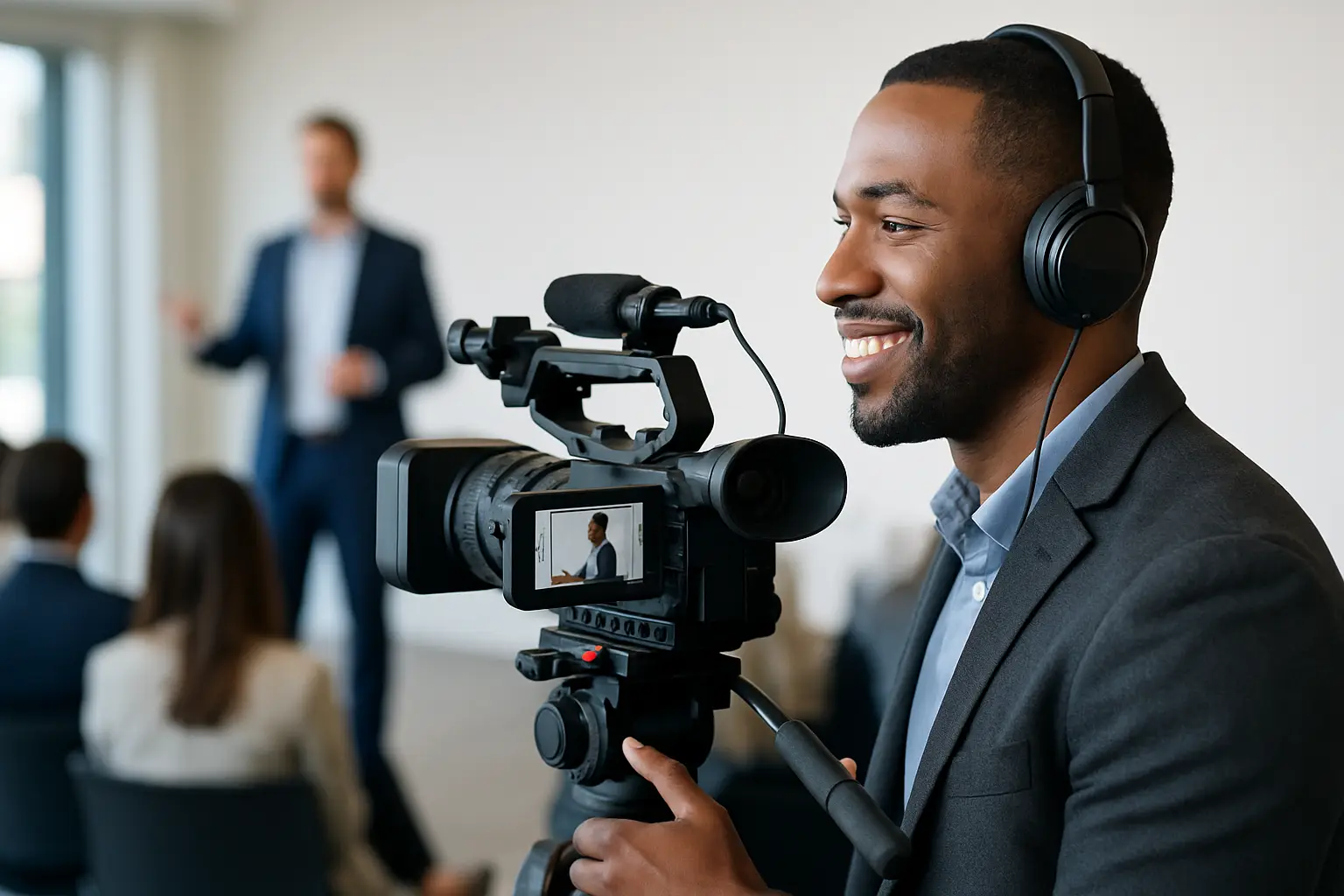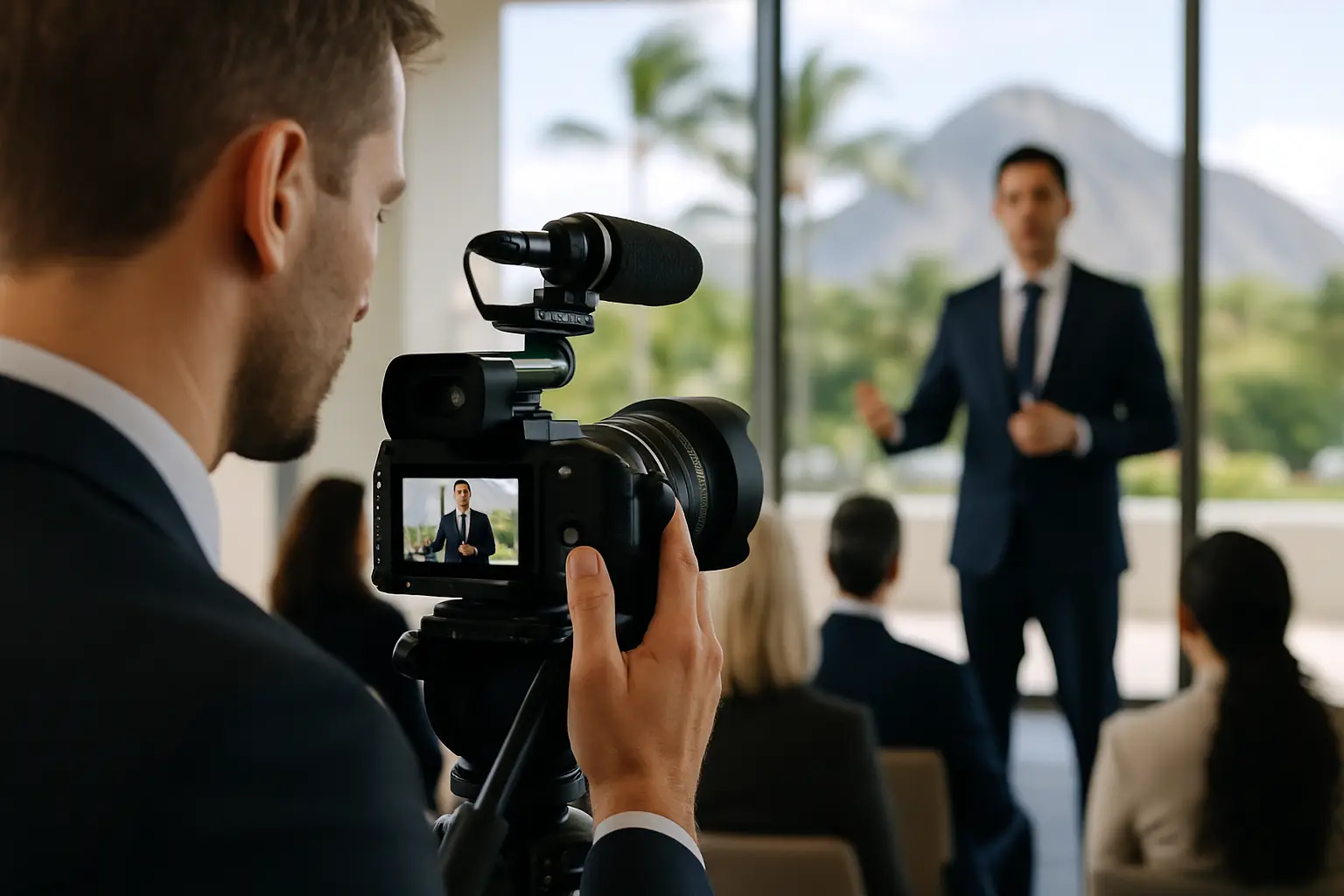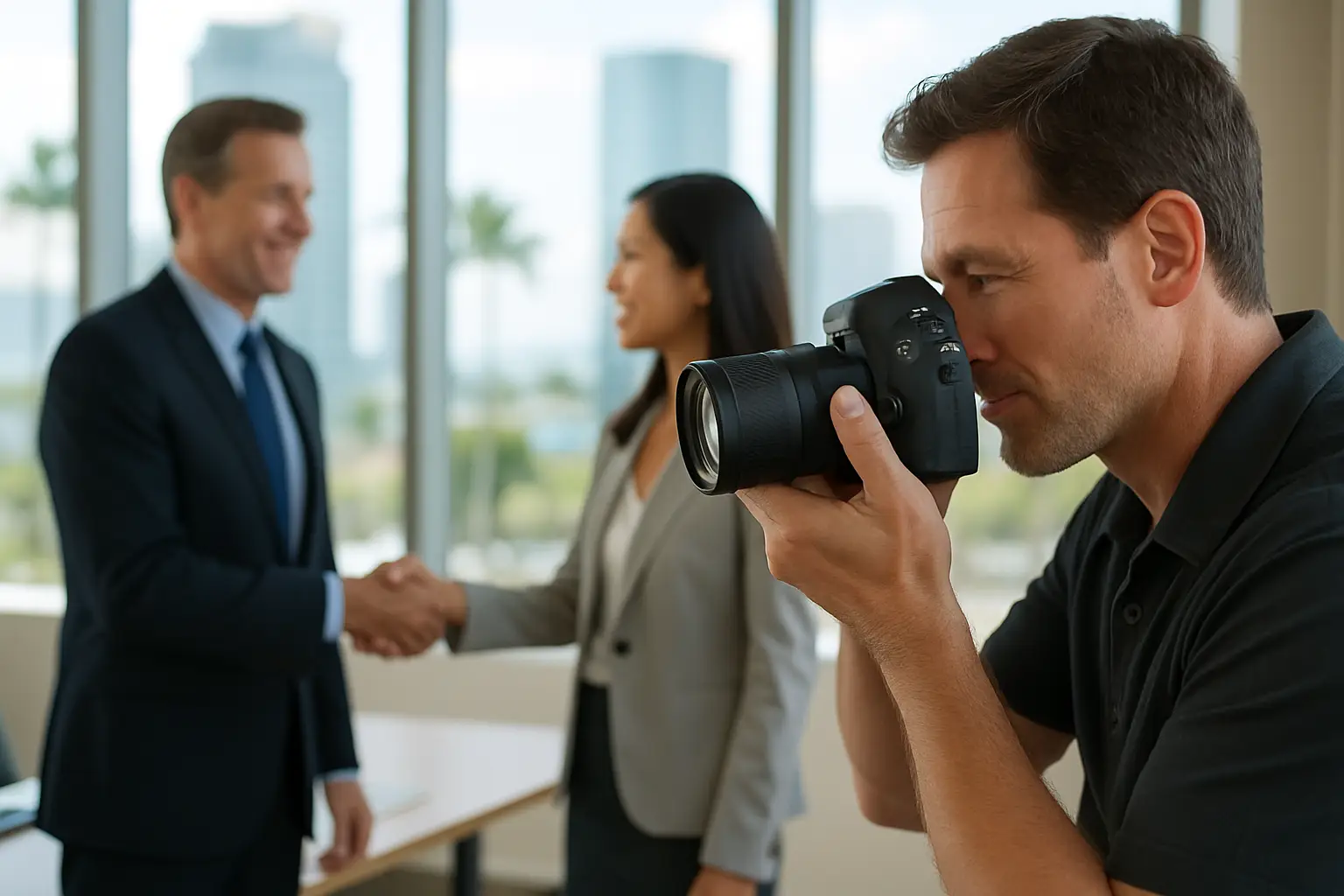
You can feel it five minutes before doors open: the stage lights are tested, name badges are stacked, the keynote deck is loaded, and someone asks the question that always comes a little late – “Are we recording this?”
If your conference is on Oahu, videography is not just a box to check. It is your insurance policy for the moments that happen once, and your fastest way to extend the event beyond the ballroom. Done well, conference video captures authority, energy, and real connection—then turns that into usable assets for internal teams, sponsors, future attendees, and your brand.
What “conference videography services Oahu” should actually include
A conference is not a single shoot. It is a moving target: multiple rooms, shifting schedules, unpredictable Q&A, and important people who do not repeat themselves. When you hire conference videography services on Oahu, you are really hiring a team that can cover live complexity without creating friction for attendees.
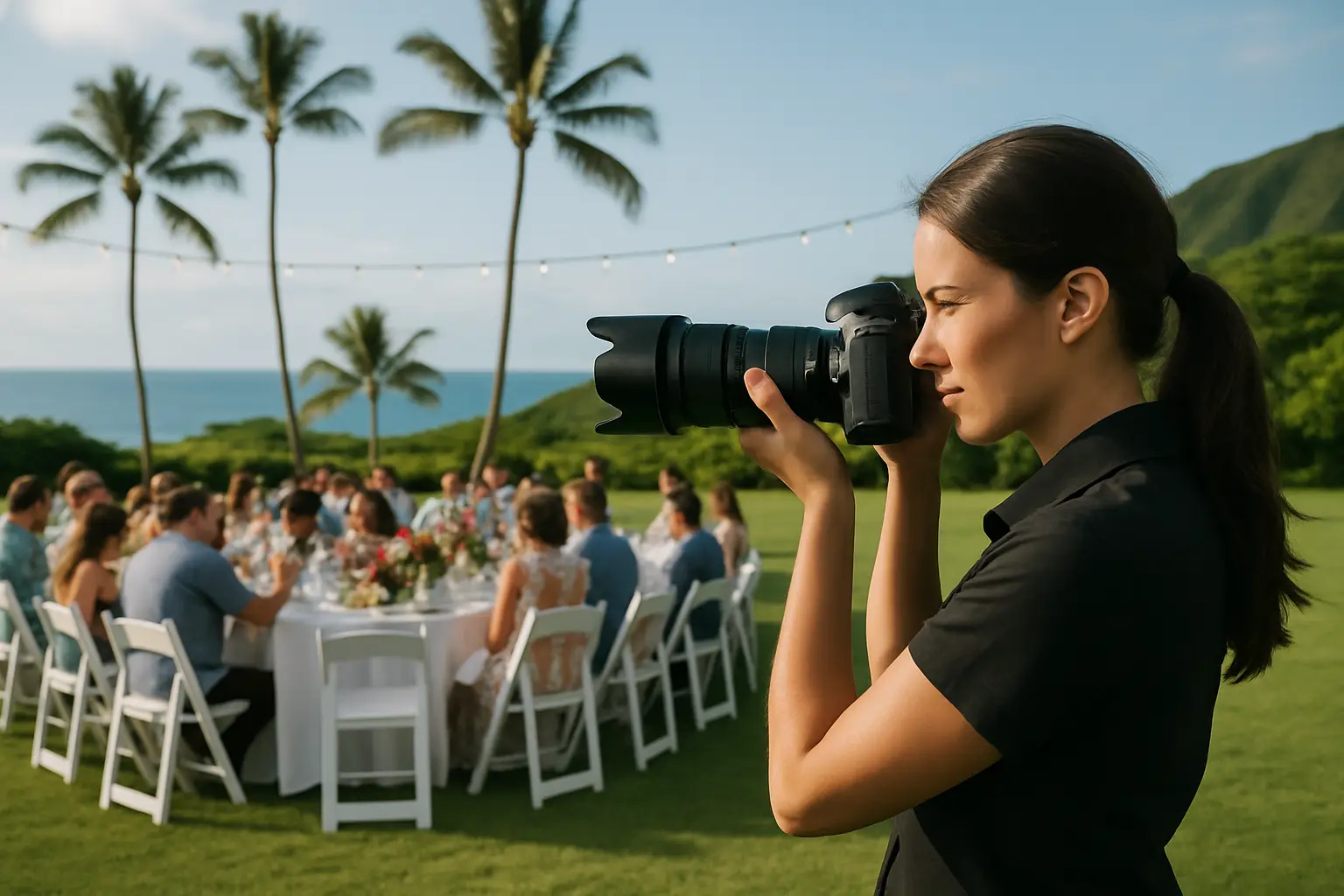
At a minimum, professional conference coverage should account for the main stage and the side stories. That usually means keynote and session recording, plus real-world b-roll that shows your audience, sponsor activations, networking, signage, and the venue experience. Those details are what make a highlight film feel like your conference, not a generic “event montage.”
It should also include audio that is actually usable. Clear sound is the difference between “this is shareable” and “we can’t post that.” Lavalier mics, board feeds, backup recorders, and someone monitoring levels throughout the day matter more than another camera angle.
Finally, it should include deliverables you can use. Some teams deliver a single long video file and call it done. That is rarely what conference stakeholders need. You want a plan for edited sessions, short social cuts, a recap, and internal versions when needed.
The real business value of conference video (beyond memories)
Conference video pays off in three places: marketing, operations, and credibility.
Marketing is the obvious one. A clean highlight video and short clips keep momentum going when the event ends. For annual conferences, that content becomes your earliest ticket-sales engine because it shows what attendees actually get.
Operationally, session recordings reduce repeat work. Speakers can share their sessions instead of re-presenting. Training, onboarding, and internal comms teams can repurpose the best parts. If you host breakout sessions with limited seating, recordings also reduce the “I missed it” problem.
Credibility is the quieter win. Well-shot footage tells sponsors, partners, and future speakers that you run a professional event. It shows production value, attendance, and engagement. If your conference attracts executive audiences, that perception matters.
It depends: single-camera coverage vs multi-camera production
Not every conference needs the same level of production, and pretending otherwise is how budgets get wasted.
Single-camera coverage can work for smaller conferences, internal meetings, or one-room events where the goal is documentation. It is typically simpler, less intrusive, and more budget-friendly. The trade-off is limited perspective: you may not get wide and tight shots simultaneously, and edits can feel less dynamic.
Multi-camera production is better when you have a real stage, high-profile speakers, sponsor expectations, or a plan to publish sessions publicly. It gives you clean angle changes, better pacing, and more coverage if something goes wrong. The trade-off is coordination: more gear, more setup time, and a higher need for pre-event planning with the venue and AV team.
A good Oahu conference videography team will ask the right questions first—room size, lighting, audience layout, speaker format, and how you will use the footage. If those questions are not being asked, the coverage is probably being treated like a simple event, not a conference.
How planning reduces event-day friction
The best conference videography is the kind you barely notice during the event—because it is planned.
Start with your agenda and your “must not miss” list. Keynote speakers, sponsor moments, award presentations, cultural openings, and VIP remarks should be flagged early. If you have concurrent breakouts, decide which sessions matter most and whether you need rotating coverage or dedicated teams.
Next, get clear on the look and the rules. Some venues in Waikiki and Honolulu have strict load-in times and cable management requirements. Some conferences have privacy concerns, especially in healthcare, education, or internal leadership settings. If you need signage, speaker release language, or “do not film” sections, that should be coordinated before the first attendee arrives.
Then confirm audio. If your venue AV team is providing microphones and a mixer, coordinate a board feed and a backup plan. If you are relying on the room speakers alone, you are accepting a risk that may show up in the edit.
Finally, plan for turnaround. If you need a next-day recap for social or a sponsor thank-you video before people fly home, say so upfront. Fast turnaround is possible, but it requires intentional workflow.
Deliverables that conference teams actually use
Most conference stakeholders want a mix of “show what happened” and “share what was said.” ” The right package balances both.
A highlight film is the emotional anchor. It is what you post to promote next year, what you send to sponsors, and what your team uses when pitching speakers. The best highlights are story-driven: arrival energy, meaningful moments, audience reactions, and the venue atmosphere—with audio bites that give it credibility.
Session recordings are the long-term library. For these, clarity beats flash. You want stable framing, readable slides (or slide integration in post when available), and clean audio. When sessions are edited thoughtfully, they become evergreen content that can live on your website, in member portals, or in internal resource hubs.
Short-form clips are the daily workhorses. Pulling 15-60 second segments from keynotes, panels, and testimonials fuels weeks of post-event marketing without feeling repetitive.
If your conference includes sponsor booths, product demos, or partner activations, consider sponsor recap clips. They are a strong retention tool because they show value in a tangible way.
Venue realities on Oahu that affect video quality
Oahu is a premium destination, but conference rooms are not automatically “video-ready.” Lighting is often designed for the room, not the camera. Ballrooms can be dim, stages can be unevenly lit, and projection screens can blow out on camera if exposure is not managed.
Audio is the bigger variable. High ceilings and reflective surfaces can create echoes. Outdoor receptions are beautiful, but wind and ambient noise require serious audio planning.
Logistics also matter more than people expect. Parking, load-in paths, union rules at certain venues, and tight elevator schedules can all impact setup. A local team that understands Honolulu traffic patterns and venue flow will keep the production calm and on time.
Questions to ask before you book a videography team
If you are comparing conference videography services on Oahu, the goal is not to find a team with the most gear. It is to find a team with the cleanest process.
Also ask about edit strategy. Who decides the story for the highlight film? How many revision rounds are included? What is the realistic turnaround for recap content versus full session edits?
If your brand has guidelines, ask how they keep visuals consistent—lower thirds, title slides, logo usage, and color tone. A conference video should look like it belongs to your organization.
A premium approach that still feels human
Conference content should look polished, but it should not feel stiff.
The most shareable conference footage usually includes moments that are not on the schedule: a speaker laughing with attendees after a session, a hallway conversation, genuine reactions during a keynote, a volunteer team in motion, and a sponsor rep explaining a product with real enthusiasm. Those moments are what make people say, “I wish I were there,” and they are also what make internal teams proud to share it.
At the same time, there is a boundary. A professional crew knows how to capture energy without invading it and how to stay respectful in sensitive contexts.
Choosing a local partner for Oahu conferences
If you want conference coverage that is cinematic but dependable, work with a team that treats planning as part of the service, not an add-on. That usually means a clear pre-event consult, a shot plan tied to your agenda, and a deliverables list that matches your real distribution needs.
Premium event videography with professional storytelling, on-time delivery, and fast turnaround tailored for corporate audiences
If your next Oahu conference is already in motion, the most helpful next step is simple: decide what the video needs to do after the event, not just what it needs to capture during it. When that is clear, the right production plan usually becomes obvious—and your footage stops being a file on a hard drive and starts becoming an asset people actually use.